
This comprehensive guide to beef stew canning will show you how to preserve the hearty, delicious flavors of homemade beef stew, ensuring you have a convenient and satisfying meal ready at any time. Perfect for busy families and anyone looking to stock their pantry with wholesome goodness, this recipe transforms simple ingredients into a long-lasting, delicious meal.
Key Ingredients for Beef Stew Canning
- 2.5 – 3 lbs Boneless Beef Chuck Roast: Cut into 1-inch cubes. Look for well-marbled cuts for the best flavor and tenderness.
- 6 cups Beef Broth: Low-sodium is recommended so you can control the saltiness.
- 2 cups Water: To dilute the broth and ensure proper canning liquid.
- 1 tbsp Worcestershire Sauce: Adds a depth of umami flavor.
- 2 tsp Salt: Adjust to your preference, especially if using regular broth.
- 1 tsp Black Pepper: Freshly ground is best for flavor.
- 1 tsp Dried Thyme: Or 1 tablespoon fresh thyme.
- 1 tsp Dried Rosemary: Or 1 tablespoon fresh rosemary, finely chopped.
- 1 lb Carrots: Peeled and cut into 1-inch pieces.
- 1 lb Potatoes: Peeled (optional) and cut into 1-inch cubes. Russet or Yukon Gold work well.
- 1 large Onion: Chopped.
- 2-3 cloves Garlic: Minced.
- 1/4 cup All-Purpose Flour: For thickening (optional, but enhances the gravy-like consistency).
- Optional Additions: 1 cup frozen peas (add after canning and reheating), 1 cup sliced celery.
How to Make Beef Stew Canning
This beef stew canning recipe is designed for both deliciousness and ease, providing a satisfyingly rich and tender stew that can be stored for months. The preparation time is approximately 45 minutes, with the canning process taking about 3–4 hours depending on your method, ensuring a deeply flavorful and comforting meal is always at your fingertips.
Step-by-Step Instructions
Preparation of Vegetables and Beef:
- Prepare the Beef: Trim any excess fat from the beef chuck roast and cut it into uniform 1-inch cubes. This size ensures even cooking and easy portioning later.
- Prepare the Vegetables: Peel and chop the carrots and potatoes into approximately 1-inch pieces. Chop the onion and mince the garlic. If using celery, slice it about 1/2-inch thick.
- Sear the Beef (Optional but Recommended): In a large, heavy-bottomed pot or Dutch oven, heat a tablespoon of oil over medium-high heat. Brown the beef cubes in batches, ensuring not to overcrowd the pot. This step is crucial for developing a deeper flavor and richer color in the stew. Remove the browned beef and set aside.
- Sauté Aromatics: In the same pot, add the chopped onion and cook over medium heat until softened and translucent, about 5–7 minutes. If needed, add a touch more oil. Add the minced garlic and cook for another minute until fragrant.
- Create the Thickening Base (Optional): If you desire a thicker stew, sprinkle the 1/4 cup of all-purpose flour over the sautéed onions and garlic. Stir continuously for about 1–2 minutes to cook out the raw flour taste. This creates a roux that will help thicken the stew.
Assembling and Canning the Stew:
- Combine Ingredients: Return the browned beef back to the pot. Add the prepared carrots, potatoes, beef broth, water, Worcestershire sauce, salt, pepper, thyme, and rosemary. If using celery, add it now as well.
- Simmer the Stew: Bring the mixture to a boil, then reduce the heat to low, cover, and simmer for 1.5 to 2 hours, or until the beef is tender and the vegetables are cooked through. Stir occasionally to prevent sticking. Taste and adjust seasonings if necessary.
- Prepare Canning Jars and Lids: Wash your canning jars, lids, and bands in hot, soapy water and rinse thoroughly. Keep the jars hot in a water bath canner or by running them through the dishwasher on a hot cycle. Keep lids and bands warm according to manufacturer instructions.
- Sterilize Jars: Place the clean jars in your water bath canner, fill with water, and bring to a simmer for at least 10 minutes to sterilize.
- Fill the Jars: Carefully ladle the hot stew into the hot sterilized jars, leaving a 1-inch headspace from the rim of the jar to the top of the stew. Ensure you distribute the meat and vegetables evenly among the jars.
- Add Canning Liquid: If the stew has thickened considerably and doesn’t cover the ingredients to the 1-inch headspace mark, you can add more hot beef broth or water to maintain the proper headspace.
- Remove Air Bubbles: Use a non-metallic utensil, like a plastic spatula or chopstick, to gently run around the inside of each jar to release any trapped air bubbles.
- Wipe Rims: Wipe the rim of each jar with a clean, damp cloth to remove any food residue. This ensures a good seal.
- Place Lids and Bands: Center the flat lid on each jar rim and screw on the band until it’s fingertip tight. Do not overtighten.
- Process in Water Bath Canner: Place the filled jars onto the rack of your water bath canner. Ensure the jars are covered with at least 1–2 inches of water. Place the lid on the canner and bring the water to a rolling boil.
- Process for Altitude: Once the water is at a rolling boil, begin processing the jars.
- For Pints: Process for 75 minutes.
- For Quarts: Process for 90 minutes.
- Adjust for Altitude: If you are above 1,000 feet in elevation, you will need to increase processing time. Consult a reliable canning guide for specific adjustments.
- Cool Jars: After the processing time is complete, turn off the heat and carefully remove the canner lid. Let the jars sit in the hot water for another 5 minutes before carefully removing them with a jar lifter. Place the jars on a towel-lined counter, spaced a few inches apart, and allow them to cool undisturbed for 12–24 hours. You will hear popping sounds as the lids seal.
- Check Seals: Once cooled, check that all lids have sealed. Press down on the center of each lid; it should not flex up and down. If a lid hasn’t sealed, refrigerate the jar and use the stew within a few days, or reprocess with a new lid.
- Store Sealed Jars: Remove the bands from the sealed jars, wipe them clean, and store the jars without the bands (to prevent rust and hide false seals). Label each jar with the contents and date, and store in a cool, dark, dry place.
Why You’ll Love This Beef Stew Canning
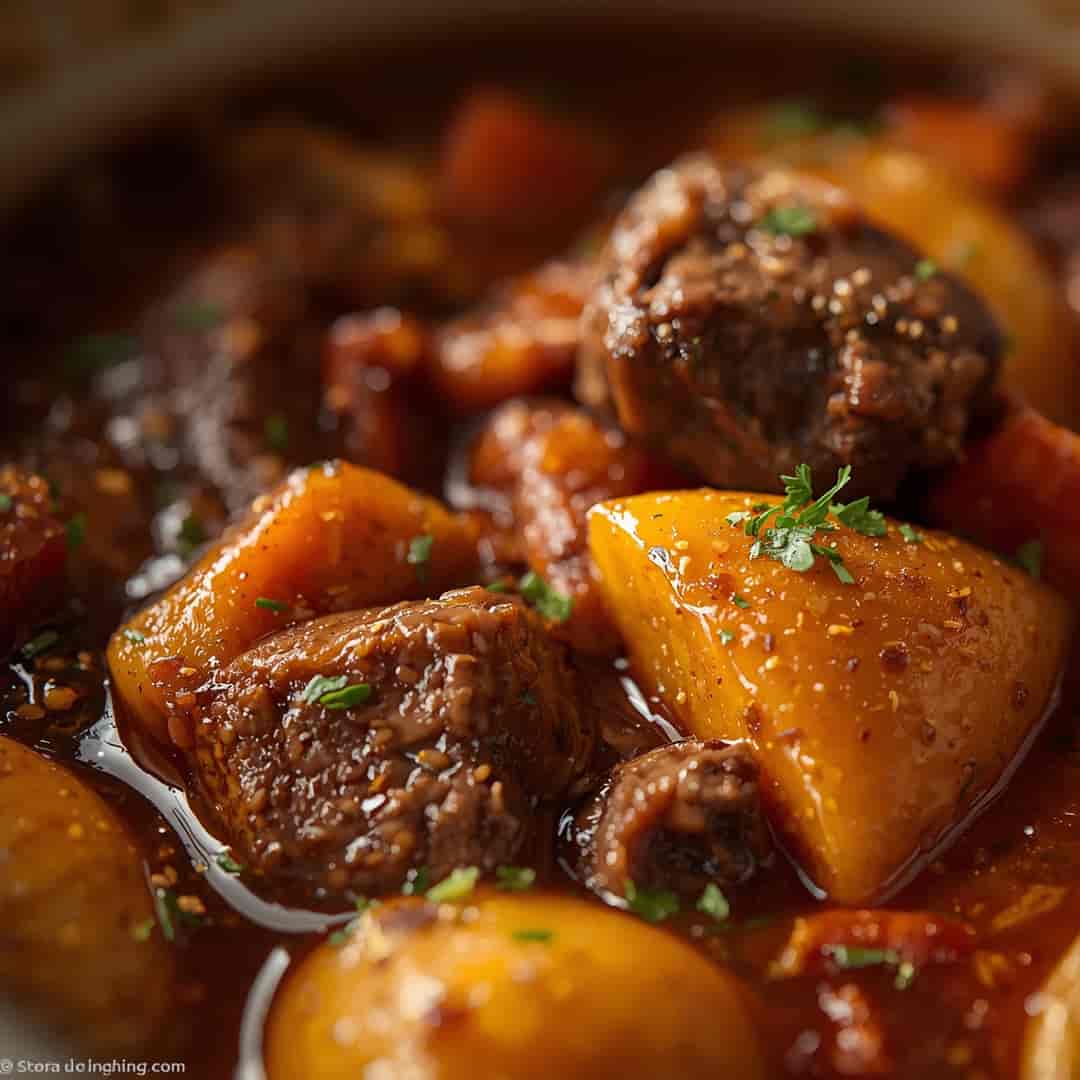
This beef stew canning recipe offers a taste of pure, unadulterated comfort, rivaling any restaurant-quality beef stew but with the incredible advantage of being ready on demand. The star of this show is, of course, the tender, slow-cooked beef and perfectly cooked vegetables swimming in a rich, savory broth that only gets better with time. It’s a true cost-saving superhero for your pantry, transforming a relatively inexpensive cut of beef and common vegetables into a treasure trove of convenient meals that significantly reduce grocery bills throughout the year. Imagine the satisfaction of opening a jar of this deliciousness on a busy weeknight, a welcome contrast to the often bland and quickly prepared meals.
Beyond the sheer convenience and remarkable savings, the flavor profile is robust and deeply satisfying, making it a standout compared to even the freshest store-bought options. While a quick skillet beef stew is great for a spontaneous meal, nothing beats the depth of flavor achieved through careful canning. We love serving it topped with a dollop of sour cream, a sprinkle of fresh parsley, or even a flaky biscuit for an unforgettable experience. Give this beef stew canning a try—your future self will thank you for the delicious, hassle-free meals ahead!
Storing and Reheating Tips
Properly stored, your canned beef stew will remain a delicious and safe meal for up to 12–18 months from the canning date. For optimal storage, keep the sealed jars in a cool, dark, and dry place, such as a pantry or basement, away from direct sunlight and extreme temperature fluctuations. Avoid storing them in areas prone to humidity, as this can rust the bands and potentially compromise the seals over time.
When you’re ready to enjoy your canned beef stew, simply open a jar. Reheating is straightforward: pour the contents into a saucepan and gently heat over medium-low heat, stirring occasionally, until heated through. Alternatively, you can microwave the stew in a microwave-safe dish. If you wish to add fresh elements or thicken the gravy further after reheating, this is the perfect time to add frozen peas, a splash of extra broth, or a cornstarch slurry. For those who prefer to freeze portions for even longer storage, simply cool the stew completely, ladle it into freezer-safe containers or heavy-duty freezer bags, ensuring to remove as much air as possible, and freeze for up to 3 months. Thaw frozen stew in the refrigerator overnight before reheating.
Final Thoughts
This beef stew canning method is an absolute game-changer for accessible, hearty meals. Not only does it preserve the comforting flavors of a classic beef stew, but it also offers incredible convenience for busy days. Embrace the satisfaction of having delicious, home-canned beef stew ready whenever you crave it– happy canning!
Read more :
- Canning Corn on the Cob
- Canning Vegetable Soup
- Pickled Mixed Vegetables (Giardiniera)
- Canning Vegetable Stock
- Pressure Canning Green Beans
- our Pinterest
Beef Stew Canning
Ingredients
Equipment
Method
- Trim any excess fat from the beef chuck roast and cut it into uniform 1-inch cubes. This size ensures even cooking and easy portioning later.2.5 – 3 lbs Boneless Beef Chuck Roast
- Peel and chop the carrots and potatoes into approximately 1-inch pieces. Chop the onion and mince the garlic. If using celery, slice it about 1/2-inch thick.1 lb Carrots, 1 lb Potatoes, 1 large Onion, 2-3 cloves Garlic, 1 cup sliced celery
- In a large, heavy-bottomed pot or Dutch oven, heat a tablespoon of oil over medium-high heat. Brown the beef cubes in batches, ensuring not to overcrowd the pot. This step is crucial for developing a deeper flavor and richer color in the stew. Remove the browned beef and set aside.2.5 – 3 lbs Boneless Beef Chuck Roast
- In the same pot, add the chopped onion and cook over medium heat until softened and translucent, about 5–7 minutes. If needed, add a touch more oil. Add the minced garlic and cook for another minute until fragrant.1 large Onion, 2-3 cloves Garlic
- If you desire a thicker stew, sprinkle the 1/4 cup of all-purpose flour over the sautéed onions and garlic. Stir continuously for about 1–2 minutes to cook out the raw flour taste. This creates a roux that will help thicken the stew.1/4 cup All-Purpose Flour, 1 large Onion, 2-3 cloves Garlic
- Return the browned beef back to the pot. Add the prepared carrots, potatoes, beef broth, water, Worcestershire sauce, salt, pepper, thyme, and rosemary. If using celery, add it now as well.2.5 – 3 lbs Boneless Beef Chuck Roast, 1 lb Carrots, 1 lb Potatoes, 6 cups Beef Broth, 2 cups Water, 1 tbsp Worcestershire Sauce, 2 tsp Salt, 1 tsp Black Pepper, 1 tsp Dried Thyme, 1 tsp Dried Rosemary, 1 cup sliced celery
- Bring the mixture to a boil, then reduce the heat to low, cover, and simmer for 1.5 to 2 hours, or until the beef is tender and the vegetables are cooked through. Stir occasionally to prevent sticking. Taste and adjust seasonings if necessary.
- Wash your canning jars, lids, and bands in hot, soapy water and rinse thoroughly. Keep the jars hot in a water bath canner or by running them through the dishwasher on a hot cycle. Keep lids and bands warm according to manufacturer instructions.
- Place the clean jars in your water bath canner, fill with water, and bring to a simmer for at least 10 minutes to sterilize.
- Carefully ladle the hot stew into the hot sterilized jars, leaving a 1-inch headspace from the rim of the jar to the top of the stew. Ensure you distribute the meat and vegetables evenly among the jars.
- If the stew has thickened considerably and doesn’t cover the ingredients to the 1-inch headspace mark, you can add more hot beef broth or water to maintain the proper headspace.6 cups Beef Broth, 2 cups Water
- Use a non-metallic utensil, like a plastic spatula or chopstick, to gently run around the inside of each jar to release any trapped air bubbles.
- Wipe the rim of each jar with a clean, damp cloth to remove any food residue. This ensures a good seal.
- Center the flat lid on each jar rim and screw on the band until it’s fingertip tight. Do not overtighten.
- Place the filled jars onto the rack of your water bath canner. Ensure the jars are covered with at least 1–2 inches of water. Place the lid on the canner and bring the water to a rolling boil.
- Once the water is at a rolling boil, begin processing the jars.For Pints: Process for 75 minutes.For Quarts: Process for 90 minutes.Adjust for Altitude: If you are above 1,000 feet in elevation, you will need to increase processing time. Consult a reliable canning guide for specific adjustments.
- After the processing time is complete, turn off the heat and carefully remove the canner lid. Let the jars sit in the hot water for another 5 minutes before carefully removing them with a jar lifter. Place the jars on a towel-lined counter, spaced a few inches apart, and allow them to cool undisturbed for 12–24 hours. You will hear popping sounds as the lids seal.
- Once cooled, check that all lids have sealed. Press down on the center of each lid; it should not flex up and down. If a lid hasn’t sealed, refrigerate the jar and use the stew within a few days, or reprocess with a new lid.
- Remove the bands from the sealed jars, wipe them clean, and store the jars without the bands (to prevent rust and hide false seals). Label each jar with the contents and date, and store in a cool, dark, dry place.