
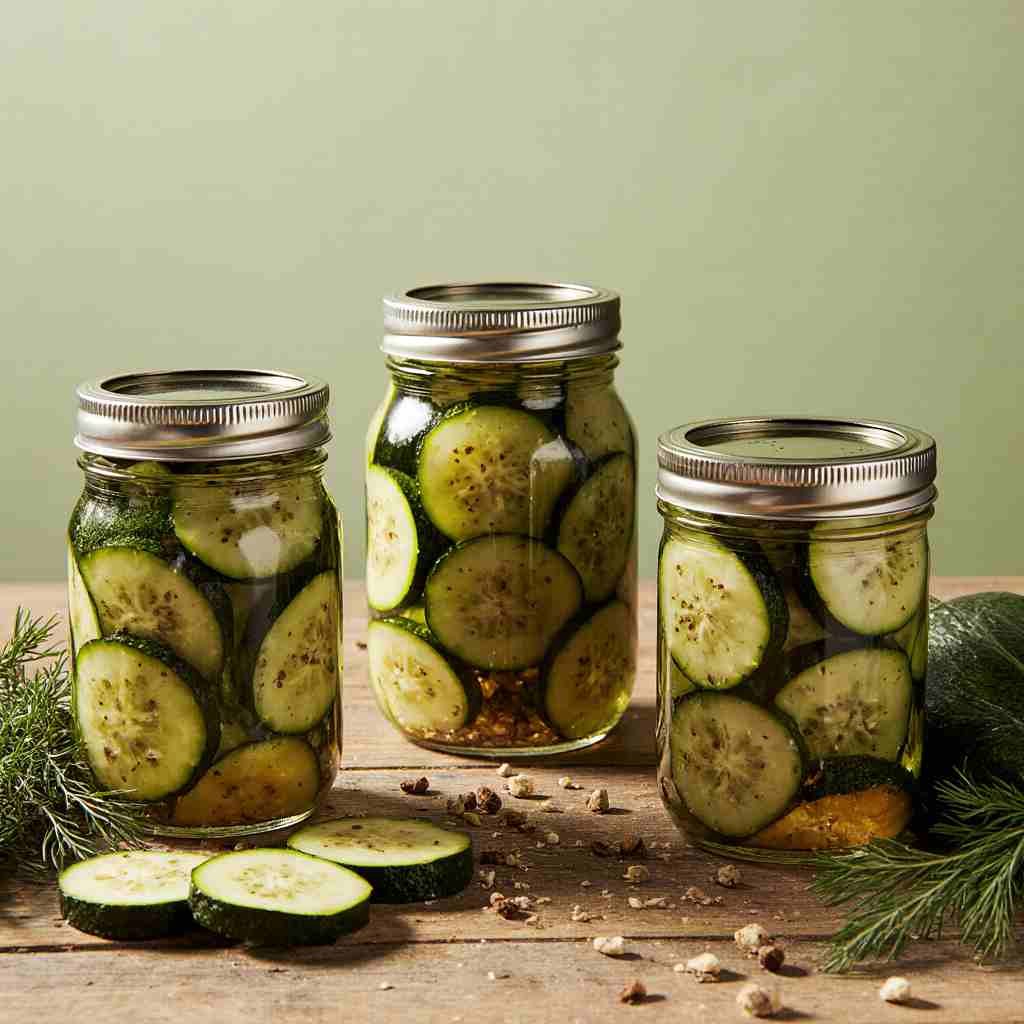
Are you looking to preserve your abundant zucchini harvest? Canned Zucchini is a fantastic way to enjoy this versatile vegetable year-round! This guide delves into two popular methods: pickling for a tangy treat and pressure canning for a shelf-stable solution.
Table of Contents
What is Canning Zucchini?
Canning zucchini involves processing it in jars, either by pickling in a vinegar-based brine or pressure canning, to create a safe, shelf-stable product. Pickling zucchini results in crisp, tangy slices perfect for snacking or adding to salads. Pressure canning, on the other hand, requires a pressure canner to reach the high temperatures needed to eliminate botulism spores and preserve the zucchini’s texture and nutrients. Whether you’re a seasoned canner or a beginner, this guide provides step-by-step instructions to help you successfully can your zucchini. Ready to explore the world of canning zucchini? Let’s get started!
Key Ingredients for Pickled Zucchini:
- 4 pounds small zucchini, sliced into 1/4-inch thick rounds
- 1 large onion, thinly sliced
- 1 green bell pepper, seeded and chopped
- 1 red bell pepper, seeded and chopped
- 4 cups white vinegar (5% acidity)
- 2 cups granulated sugar
- 2 tablespoons pickling salt
- 1 tablespoon mustard seeds
- 1 teaspoon celery seeds
- 1/2 teaspoon turmeric powder
- Optional: 2-3 dried red chili peppers
Key Ingredients for Pressure Canned Zucchini:
- 4 pounds small zucchini, peeled, seeded, and cubed into 1-inch pieces
- Pinch of salt per jar (optional)
- Water for blanching and packing
How to Make Pickled Zucchini:
This pickled zucchini recipe transforms your garden bounty into a delicious condiment! It’s easy to prepare and incredibly satisfying, offering a tangy, slightly sweet flavor that complements a variety of dishes. The combination of zucchini, onions, and bell peppers soaked in a flavorful vinegar brine creates a crisp and refreshing pickle. This recipe takes about 45 minutes to prepare, yielding several jars of homemade pickled zucchini to enjoy or share.
How to Make Pressure Canned Zucchini:
Pressure canning zucchini allows you to preserve it safely for long-term storage. While it requires a pressure canner, the process is straightforward and ensures that your zucchini remains shelf-stable for many months.
The peeled, seeded, and cubed zucchini is blanched and then processed in a pressure canner. This method takes approximately 1 hour, including preparation and processing time.
Step-by-Step Instructions Pickled Zucchini:
- Prepare the Vegetables: Wash, trim, and slice the zucchini into 1/4-inch thick rounds. Thinly slice the onion and chop the bell peppers.
- Combine Vegetables: In a large bowl, combine the sliced zucchini, onion, and bell peppers.
- Prepare the Brine: In a large saucepan, combine the white vinegar, granulated sugar, pickling salt, mustard seeds, celery seeds, and turmeric powder. Add the optional dried red chili peppers for a bit of heat.
- Bring to a Boil: Bring the brine mixture to a rolling boil over medium-high heat, stirring until the sugar and salt are completely dissolved.
- Pour Brine Over Vegetables: Carefully pour the boiling brine over the mixed vegetables in the bowl.
- Let Stand: Let the vegetables stand in the brine for at least 3 hours, or preferably overnight, stirring occasionally to ensure they are evenly saturated.
- Prepare Jars and Lids: While the vegetables are soaking, prepare your canning jars, lids, and bands. Wash the jars in hot, soapy water and rinse well. Keep the jars hot until ready to fill. You can sterilize the jars by boiling them for 10 minutes or running them through the dishwasher on a sanitizing cycle. Heat the lids in hot (not boiling) water to soften the sealing compound.
- Pack Jars: Using a slotted spoon, pack the pickled zucchini and vegetable mixture into the hot jars, leaving 1/2-inch headspace.
- Pour Brine Over Vegetables: Ladle the hot brine over the vegetables in each jar, maintaining a 1/2-inch headspace. Remove any air bubbles by running a non-metallic spatula or bubble popper down the sides of the jar.
- Wipe Rims and Apply Lids: Wipe the rims of the jars with a clean, damp cloth to remove any residue. Place a lid on each jar and screw on the band until fingertip tight.
- Process in a Boiling Water Canner: Place the jars into a boiling water canner fitted with a rack. Make sure the jars are covered by at least 1 inch of water. Bring the water to a rolling boil, and process for 10 minutes for pint jars and 15 minutes for quart jars. Adjust processing time according to your altitude. Consult a reliable canning guide for specific recommendations.
- Cool and Check Seals: Turn off the heat, remove the canner lid, and let the jars sit in the hot water for 5 minutes before removing them to a towel-lined surface. Let the jars cool completely for 12-24 hours. As the jars cool, you should hear a “pop” as the lids seal.
- Check Seals: After the jars have cooled completely, check the seals. Press down on the center of each lid. If the lid doesn’t flex or move, the jar is properly sealed. Unsealed jars should be refrigerated and used within a few weeks or reprocessed with new lids.
- Store: Remove the bands and wash the jars. Label and date the jars, and store them in a cool, dark place. Properly sealed and stored pickled zucchini can last for up to 1 year.
Step-by-Step Instructions Pressure Canned Zucchini:
- Prepare the Zucchini: Wash, peel, and remove the seeds from the zucchini. Cut it into 1-inch cubes.
- Blanch the Zucchini: Bring a large pot of water to a boil. Add the cubed zucchini and blanch for 2 minutes. Drain the zucchini immediately and set aside.
- Prepare Jars and Lids: Wash the canning jars, lids, and bands in hot, soapy water. Keep the jars hot until ready to fill. You can sterilize them by boiling them for 10 minutes or running them through the dishwasher on a sanitizing cycle. Heat the lids in hot (not boiling) water.
- Pack Jars: Pack the blanched zucchini cubes into the hot jars, leaving 1-inch headspace. Add a pinch of salt to each jar, if desired, for flavor.
- Add Water: Add hot water to each jar, maintaining a 1-inch headspace. Remove any air bubbles by running a non-metallic spatula or bubble popper down the sides of the jar.
- Wipe Rims and Apply Lids: Wipe the rims of the jars with a clean, damp cloth. Place a lid on each jar and screw on the band until fingertip tight.
- Process in a Pressure Canner: Follow manufacturer’s instructions for your pressure canner. Add the recommended amount of water to the canner. Place the jars in the canner, ensuring they don’t touch each other.
- Seal the Canner and Vent: Secure the lid and vent the canner for 10 minutes, allowing steam to escape.
- Pressurize: Close the vent and bring the canner up to the correct pressure for your altitude. For weighted gauge canners, process at 10 pounds pressure (PSI) for altitudes at or below 1,000 feet, increasing the pressure for higher altitudes as recommended in your canner’s instructions. For dial gauge canners, follow your canner’s instructions for pressure settings based on your altitude.
- Process: Process the zucchini for 30 minutes for both pint and quart jars.
- Cool the Canner: Turn off the heat and allow the canner to cool naturally until the pressure returns to zero. Do not force cool the canner.
- Open Canner with Caution: Carefully open the canner, tilting the lid away from you to avoid steam burns.
- Cool and Check Seals: Remove the jars to a towel-lined surface to cool completely for 12-24 hours. As the jars cool, you should hear a “pop” as the lids seal.
- Check Seals: After the jars have cooled completely, check the seals. Press down on the center of each lid. If the lid doesn’t flex or move, the jar is properly sealed. Unsealed jars should be refrigerated and used within a few weeks or reprocessed with new lids.
- Store: Remove the bands and wash the jars. Label and date the jars, and store them in a cool, dark place. Properly sealed and stored pressure canned zucchini can last for up to 1 year.
Why You’ll Love This Pickled Zucchini
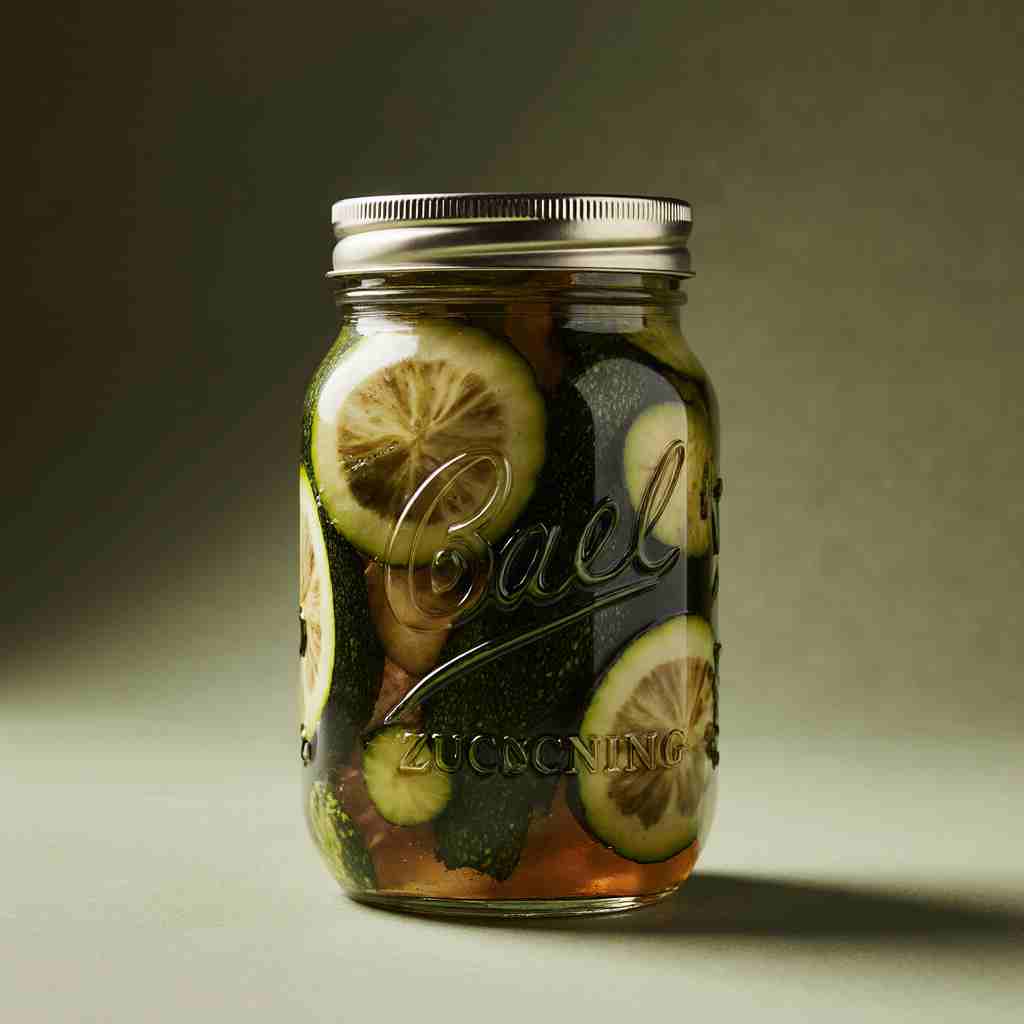
Pickled zucchini is a delightful way to transform plain zucchini into a zesty and flavorful treat. The tangy-sweet brine infuses the zucchini with a refreshing taste that’s perfect for snacking or adding a burst of flavor to meals. Canning zucchini at home is also a cost-effective way to enjoy this versatile vegetable year-round, especially when you have an abundant garden harvest.
By making your own pickled zucchini, you can control the ingredients and customize the flavors to your liking! Plus, adding colorful bell peppers gives it a burst of color and added nutrients! Don’t just take my word for it—try this recipe and experience the joy of homemade pickled zucchini! If you enjoy tangy treats, you might also like our pickled beets recipe!
What to Serve Pickled Zucchini With:
- Sandwiches and Burgers: Add a crunchy and tangy element to sandwiches, burgers, wraps, or salads.
- Charcuterie Boards: Include as a flavorful component on charcuterie boards alongside cheeses, meats, and crackers.
- Grilled Meats: Serve as a side with grilled meats, such as chicken, pork, or fish.
- Salads: Add chopped pickled zucchini to salads for a burst of flavor and texture.
- Tacos and Quesadillas: Use as a topping for tacos, quesadillas, or nachos.
Top Tips for Perfecting Pickled Zucchini:
- Use Small Zucchini: For the best texture and flavor, use small to medium-sized zucchini that are firm and have fewer seeds.
- Don’t Overcook the Zucchini: Avoid overcooking the zucchini during processing to maintain its crisp texture.
- Adjust Sweetness: If you prefer less sweet pickles, reduce the amount of sugar in the brine.
- Experiment with Spices: Feel free to add other spices such as garlic, dill, or peppercorns to customize the flavor.
- Use Quality Vinegar: Choose a high-quality white vinegar with 5% acidity for the best results in preserving the zucchini.
- Ensure Proper Headspace: Maintain the proper headspace (1/2 inch for pickled and 1 inch for pressure canned ) to ensure a proper seal and prevent spoilage.
Storing and Reheating Tips Pressure Canned Zucchini:
- Storage: Properly canned zucchini, both pickled and pressure canned, should be stored in a cool, dark, and dry place, such as a pantry or basement.
- Shelf Life: When stored correctly, canned zucchini can last for up to 1 year.
- Refrigeration After Opening: Once a jar is opened, refrigerate any unused portion. Pickled zucchini should be used within a few weeks, while pressure canned zucchini should be used within several days.
- Reheating: Pressure canned zucchini can be reheated in a saucepan on the stovetop or in the microwave.
Final Thoughts:
Canning zucchini is a rewarding way to preserve the flavors of summer and enjoy this versatile vegetable throughout the year. Whether you prefer the tangy zest of pickled zucchini or the convenience of pressure canned zucchini, these methods allow you to make the most of your garden harvest. By following these detailed instructions and tips, you can safely and successfully can zucchini at home, ensuring a delicious and shelf-stable treat for months to come. Happy canning!
Read more :
- Canning Corn on the Cob
- Canning Vegetable Soup
- Pickled Mixed Vegetables (Giardiniera)
- Canning Vegetable Stock
- Pressure Canning Green Beans
- our Pinterest
Canning Zucchini FAQs:
Q: Can I can zucchini without peeling it?
A: For pickling, it’s safe to leave the peel on; however pressure cooking zucchini requires peeling and deseeding because of the higher density of the zucchini.
Q: Do I really need to use a pressure canner for zucchini?
A: Yes, for plain zucchini. Zucchini is a low-acid vegetable, meaning it needs to be processed at high temperatures to kill botulism spores. Pickling is a okay in water bath because of all the acid to preserve zucchini and make it safe to eat.
Q: My pickled zucchini is soft. What went wrong?
A: Overcooking or over-soaking the zucchini can result in a softer texture. Ensure you don’t process the jars for too long and use fresh, firm zucchini. Adding grape leaves to the jars has also been known to keep foods crisp.
Q: Can I use different sweeteners in the pickling brine?
A: Yes, natural sweeteners, like honey or maple syrup, might affect the texture and flavor of the pickles, so some recipe adjustment like vinegar level would have to be considered.
Q: How long do I need to let the pickled zucchini sit before eating it?
A: It’s best to let the pickled zucchini sit for at least 2 weeks to allow the flavors to fully develop.