
Discovering the magic of canning butter offers a delightful way to preserve this kitchen staple, ensuring you always have rich, creamy goodness on hand for all your culinary adventures. This guide reveals the simple, effective method for canning butter, a skill that will save you money and elevate your cooking and baking.
Key Ingredients for Canning Butter
- Fresh Butter: 1 pound (4 sticks), unsalted, of the highest quality you can find. For best results, use butter that is as fresh as possible and has a good fat content.
- Water: For blanching.
- Optional: Salt: If you prefer salted butter and your starting butter is unsalted, you can add about 1/4 teaspoon of fine sea salt per pound of butter. However, for long-term storage with canning, it’s generally recommended to use unsalted butter and add salt to taste when using.
How to Make Canning Butter
Unlock the secret to extended butter freshness with this incredibly simple canning butter method. In just under an hour, you’ll transform your butter into shelf-stable gold, offering unparalleled convenience and cost savings. This recipe isn’t just about preserving butter; it’s about empowering your pantry with a versatile ingredient that’s ready whenever inspiration strikes.
Step-by-Step Instructions
- Melt the Butter: Begin by gently melting your butter in a saucepan over low heat. You want to melt it slowly and evenly without allowing it to brown or scorch. The goal is to achieve a clear liquid state.
- Skim the Milk Solids: Once the butter is fully melted, you’ll notice a white, milky substance rising to the surface and settling at the bottom. This is milk solids. Carefully skim off as much of this foam or “scum” from the surface as possible using a spoon or ladle. You can also let it sit for a few minutes and pour off the clear liquid butter, leaving the solids behind. This step is crucial for long-term preservation as milk solids can spoil. For even greater clarity, you can strain the melted butter through a fine-mesh sieve lined with cheesecloth.
- Prepare the Canning Jars: While the butter is melting, prepare your canning jars and lids. Wash them thoroughly with hot, soapy water and rinse well. Sterilizing them is highly recommended for safe, long-term storage. You can do this by placing them in boiling water for at least 10 minutes, or running them through a dishwasher on a hot cycle. Keep the jars warm until you are ready to fill them to prevent thermal shock.
- Fill the Jars: Carefully pour the clarified butter into the prepared, warm canning jars. Leave about 1/2 inch of headspace at the top of each jar. Ensure no milk solids are transferred into the jars. If any solids have settled at the bottom of your saucepan, do not pour them into the jars.
- Remove Air Bubbles: Gently tap the jars on the counter a few times to release any trapped air bubbles. You can also use a non-metallic utensil, like a plastic chopstick or a butter knife (carefully, to avoid scratching the glass), to run around the inside edge of the jar to dislodge any stubborn bubbles.
- Wipe Jar Rims: Before placing the lids, wipe the rims of each jar clean with a damp cloth. This ensures a good seal.
- Apply Lids and Rings: Place the sterilized lids onto the jars, ensuring they are centered. Screw on the canning rings until they are fingertip-tight. Do not overtighten, as this can prevent air from escaping during the canning process.
- Process in a Water Bath Canner (Optional but Recommended for Maximum Shelf Life): While clarified butter, often called ghee, is shelf-stable on its own for a significant period, processing the jars in a boiling water bath will ensure maximum safety and shelf life, similar to other canned goods.
- Place the filled and lidded jars onto a canning rack in your water bath canner.
- Ensure the jars are covered by at least 1-2 inches of water.
- Bring the water to a rolling boil.
- Process the jars for 15 minutes for pint-sized jars (or 20 minutes for quart-sized jars) at sea level. Adjust processing time for altitudes above 1,000 feet according to standard canning guidelines.
- After processing, turn off the heat and lift the canner lid. Let the jars sit in the hot water for another 5 minutes before carefully removing them with a jar lifter.
- Cool and Check Seals: Place the hot jars on a towel-lined counter or cooling rack, ensuring they are not touching each other. Let them cool undisturbed for 12-24 hours. You will hear popping sounds as the lids seal. After cooling, check each seal by pressing down on the center of the lid. If the lid doesn’t flex up and down, it is properly sealed. Remove the rings, wipe the jars clean, and store according to the “Storing and Reheating Tips” section. If any jar did not seal, refrigerate it and use it within a couple of weeks.
Why You’ll Love This Canning Butter
Imagine the sheer delight of opening your pantry and finding perfectly preserved butter, ready to be used in your favorite recipes. Canning butter isn’t just a preservation method; it’s a gateway to culinary freedom, allowing you to enjoy the rich, creamy essence of butter whenever you desire, regardless of fluctuating grocery prices. The brilliance of this method lies in its simplicity, transforming fresh butter into a shelf-stable pantry staple that rivals any store-bought alternative, often at a fraction of the cost.
Unlike traditional butter that can go rancid quickly, your home-canned butter will maintain its exquisite flavor and texture for months, if not years, when properly processed and stored. This makes it an ideal ingredient for everything from flaky pie crusts and decadent cookies to a simple, delicious spread on warm toast. The secret, of course, is in the clarification process, removing the water and milk solids to create a pure fat that simply won’t spoil. Give canning butter a try and experience the immense satisfaction of self-sufficiency and deliciousness!
Storing and Reheating Tips
- Unprocessed (Clarified Butter Only): If you choose not to water bath can your clarified butter, ensure it is thoroughly clarified and poured into clean, airtight jars. It can be stored at room temperature in a cool, dark place for up to 3 months. However, refrigeration will extend its shelf life considerably, keeping it fresh for up to a year. Always check for any signs of spoilage before use.
- Water Bath Canned Butter: Properly sealed, water bath canned butter can be stored in a cool, dark place (like a pantry or basement) for 1-2 years. Once a jar has been opened, it should be refrigerated and used within a few weeks.
- Reheating: There is no “reheating” in the traditional sense for canned butter, as it’s already a stable fat. If it has solidified in cooler temperatures, simply allow it to come to room temperature or gently warm it slightly to soften for spreading or measuring. If you intend to use it in a recipe that calls for melted butter, you can melt it in a saucepan over low heat or briefly in the microwave.
Final Thoughts
Canning butter is a profoundly rewarding endeavor, yielding a stable, high-quality ingredient that guarantees culinary success. Embrace this empowering pantry skill; you’ll be amazed at how often your home-canned butter becomes your go-to for every kitchen creation.
Read more :
- Canning Corn on the Cob
- Canning Vegetable Soup
- Pickled Mixed Vegetables (Giardiniera)
- Canning Vegetable Stock
- Pressure Canning Green Beans
- our Pinterest
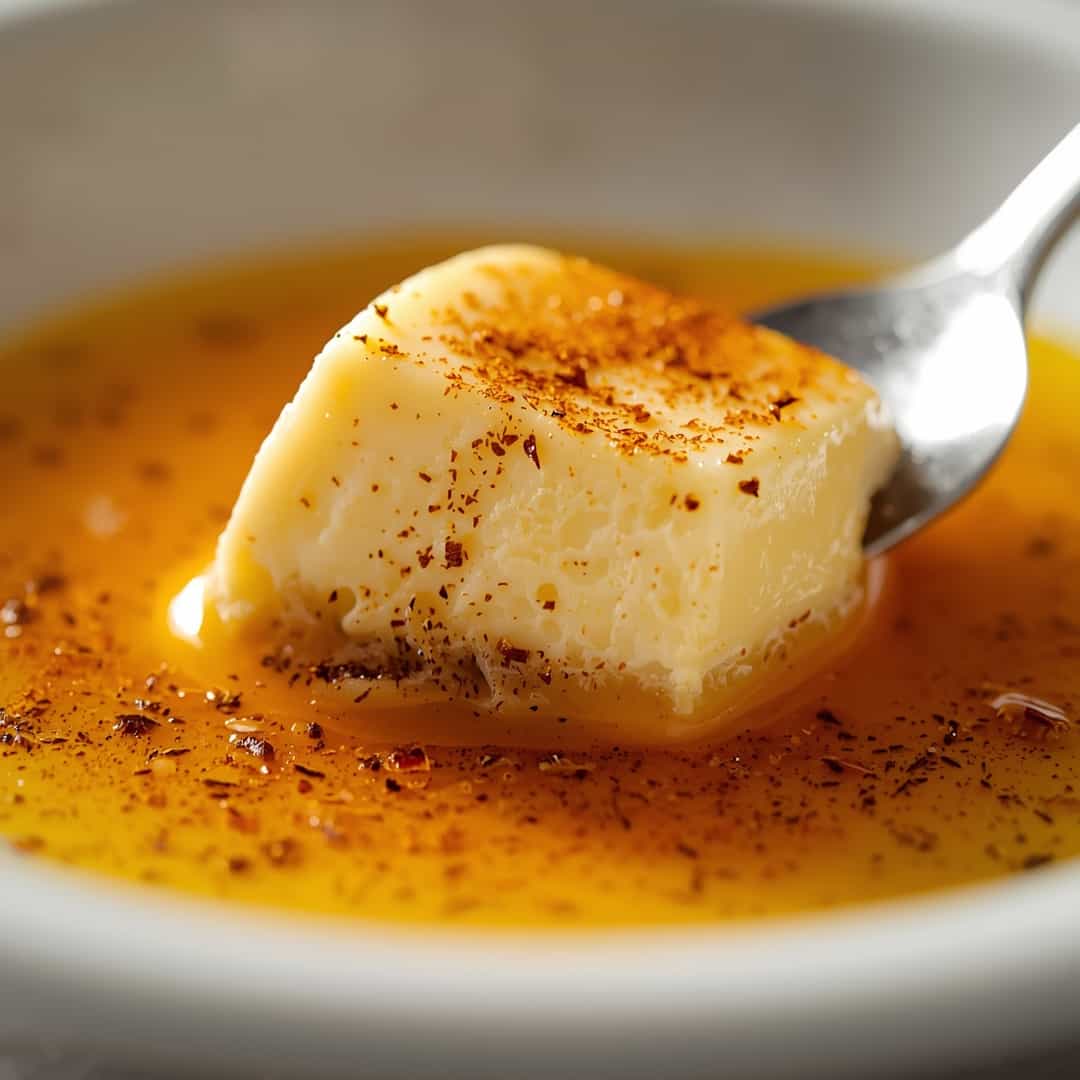
Canning Butter
Ingredients
Equipment
Method
- Begin by gently melting your butter in a saucepan over low heat. You want to melt it slowly and evenly without allowing it to brown or scorch. The goal is to achieve a clear liquid state.1 pound Fresh Butter
- Once the butter is fully melted, you’ll notice a white, milky substance rising to the surface and settling at the bottom. This is milk solids. Carefully skim off as much of this foam or “scum” from the surface as possible using a spoon or ladle. You can also let it sit for a few minutes and pour off the clear liquid butter, leaving the solids behind. This step is crucial for long-term preservation as milk solids can spoil. For even greater clarity, you can strain the melted butter through a fine-mesh sieve lined with cheesecloth.1 pound Fresh Butter
- While the butter is melting, prepare your canning jars and lids. Wash them thoroughly with hot, soapy water and rinse well. Sterilizing them is highly recommended for safe, long-term storage. You can do this by placing them in boiling water for at least 10 minutes, or running them through a dishwasher on a hot cycle. Keep the jars warm until you are ready to fill them to prevent thermal shock.
- Carefully pour the clarified butter into the prepared, warm canning jars. Leave about 1/2 inch of headspace at the top of each jar. Ensure no milk solids are transferred into the jars. If any solids have settled at the bottom of your saucepan, do not pour them into the jars.1 pound Fresh Butter
- Gently tap the jars on the counter a few times to release any trapped air bubbles. You can also use a non-metallic utensil, like a plastic chopstick or a butter knife (carefully, to avoid scratching the glass), to run around the inside edge of the jar to dislodge any stubborn bubbles.
- Before placing the lids, wipe the rims of each jar clean with a damp cloth. This ensures a good seal.
- Place the sterilized lids onto the jars, ensuring they are centered. Screw on the canning rings until they are fingertip-tight. Do not overtighten, as this can prevent air from escaping during the canning process.
- Place the filled and lidded jars onto a canning rack in your water bath canner. Ensure the jars are covered by at least 1-2 inches of water. Bring the water to a rolling boil. Process the jars for 15 minutes for pint-sized jars (or 20 minutes for quart-sized jars) at sea level. Adjust processing time for altitudes above 1,000 feet according to standard canning guidelines. After processing, turn off the heat and lift the canner lid. Let the jars sit in the hot water for another 5 minutes before carefully removing them with a jar lifter.
- Place the hot jars on a towel-lined counter or cooling rack, ensuring they are not touching each other. Let them cool undisturbed for 12-24 hours. You will hear popping sounds as the lids seal. After cooling, check each seal by pressing down on the center of the lid. If the lid doesn’t flex up and down, it is properly sealed. Remove the rings, wipe the jars clean, and store according to the “Storing and Reheating Tips” section. If any jar did not seal, refrigerate it and use it within a couple of weeks.