

Canning carrots is a simple and reliable way to preserve your harvest for year-round enjoyment. Using a pressure canner, this method ensures safety by reaching the high temperatures needed to destroy bacteria and enzymes that cause spoilage. Whether you prefer sliced, diced, or whole carrots, pressure canning locks in their fresh flavor, vibrant color, and nutrients. With just carrots, water, and optional salt, you can create a pantry staple that’s perfect for soups, stews, and side dishes. Follow this easy step-by-step guide to confidently can your own carrots at home like a pro.
Table of Contents
What is Canning Carrots?
Canning carrots is a method of preserving these root vegetables by sealing them in jars and processing them under high heat and pressure. This process destroys harmful microorganisms, enzymes, and other spoilage agents, creating a safe and long-lasting product that can be stored at room temperature. It’s a wonderful way to utilize abundant carrot harvests, reduce food waste, and enjoy nutritious, flavorful carrots throughout the year.
Pressure canning is essential because carrots are a low-acid vegetable, requiring higher temperatures than boiling water canning to eliminate the risk of botulism. This method allows you to retain much of their flavor and nutrients. Don’t let the fear of pressure canning intimidate you; with the right equipment and careful adherence to these tested instructions, you can safely and successfully can delicious carrots in your own kitchen! Give it a try and experience the satisfaction of preserving your own food.
Key Ingredients for Canning Carrots:
- Fresh Carrots: 2-3 pounds per quart jar. Choose young, tender carrots for best flavor and texture. Wash, peel and trim the ends.
- Water: Enough to cover the carrots in the jars and to fill your pressure canner to the manufacturer’s recommended level (usually 2-3 inches).
- Canning Salt (Optional): 1/2 teaspoon per pint jar or 1 teaspoon per quart jar. Salt is for flavor and not essential for preservation.
How to Make Canning Carrots:
Canning carrots might seem intricate, but it’s a rewarding process that ensures safe and delicious results. This method focuses on using a pressure canner, which is essential for low-acid vegetables like carrots. By following these simple instructions, you can preserve the fresh taste of carrots for extended use. Expect the preparation and canning process to take about 2 hours, from prepping the carrots to cooling the jars. This timeframe includes washing, peeling, and cutting the carrots.
Step-by-Step Instructions:
Prepare the Carrots: Wash, peel, and trim the ends of the carrots. You can leave them whole if they are very small, dice them into 1/2-inch cubes, slice them into 1/4-inch thick rounds, or cut them into sticks. Smaller pieces allow for better heat penetration.
Heat the Carrots (Optional): You can choose to raw-pack or hot-pack your carrots. For a hot-pack method, place the prepared carrots in a large pot and cover with boiling water. Bring back to a boil and simmer for 5 minutes. This helps to shrink the carrots slightly and will improve the vacuum seal.
Prepare the Jars: Wash canning jars, lids, and bands in hot, soapy water. Rinse well. Sterilize the jars by boiling them in a large pot of water for 10 minutes. Keep the jars hot until you are ready to fill them. You can also sterilize them in a dishwasher on a sanitize cycle. Place lids in a small saucepan and simmer in hot water (not boiling) to soften the rubber sealing compound.
Fill the Jars: Using a jar lifter, remove a hot jar from the boiling water. If you chose to hot-pack, pack the hot carrots into the hot jars, leaving 1-inch headspace. If raw-packing, pack the raw carrots tightly into the hot jars, also leaving 1-inch headspace.
Add Salt (Optional): If using canning salt, add 1/2 teaspoon to each pint jar or 1 teaspoon to each quart jar.
Add Water: Pour boiling water over the carrots in the jars, maintaining the 1-inch headspace. Ensure the water covers the carrots completely.
Remove Air Bubbles: Use a non-metallic spatula or bubble remover to gently press down on the carrots and release any trapped air bubbles. Adjust the headspace if necessary.
Wipe Jar Rims: Use a clean, damp cloth to wipe the rims of the jars thoroughly. This ensures a proper seal.
Place Lids and Bands: Place a sterilized lid on each jar, ensuring the sealing compound makes contact with the clean jar rim. Screw on the metal band fingertip tight. Do not overtighten.
Load the Pressure Canner: Place the jar rack in the bottom of your pressure canner. Add the amount of water specified in your canner’s instruction manual (usually 2-3 inches). Use a jar lifter to carefully place the filled jars onto the rack, making sure the jars are not touching each other or the sides of the canner.
Seal the Pressure Canner: Secure the lid of the pressure canner according to the manufacturer’s instructions.
Vent the Pressure Canner: Turn the heat to medium-high and allow the steam to vent from the vent pipe or petcock for 10 minutes. This is crucial to remove air from the canner and ensure accurate pressure.
Pressurize the Canner: After venting for 10 minutes, close the vent pipe or place the weight on the vent pipe (depending on your canner model). Allow the pressure to build to the required level for your altitude. Use the table below to determine the correct pressure for canning carrots:
Dial Gauge Canners:
- 0-1,000 feet: 11 PSI
- 1,001-2,000 feet: 12 PSI
- 2,001-4,000 feet: 13 PSI
- 4,001-6,000 feet: 14 PSI
- 6,001-8,000 feet: 15 PSI
Weighted Gauge Canners:
- 0-1,000 feet: 10 PSI
- Above 1,000 feet: 15 PSI
Process the Jars: Once the pressure has reached the required level, begin timing the processing time. Process pint jars for 25 minutes and quart jars for 30 minutes. Maintain a steady pressure throughout the processing time. Adjust the heat as needed to keep the pressure constant.
Cool the Canner: When the processing time is complete, turn off the heat and allow the pressure canner to cool naturally until the pressure returns to zero. Do not force cool the canner by running it under cold water, as this can cause the jars to break and ruin the seal.
Remove the Jars: Once the pressure is at zero, carefully remove the weight or open the vent pipe. Wait 10 minutes, then carefully open the lid, tilting it away from you to avoid steam burns. Use a jar lifter to remove the jars from the canner and place them on a towel-lined surface, leaving space between the jars.
Check for Seals: Let the jars cool completely for 12-24 hours. As the jars cool, you should hear a popping sound as the lids seal. After the jars have cooled, check the seals by pressing down on the center of each lid. If the lid does not flex or pop, it is sealed. If a lid springs up and down, the jar is not properly sealed and should be reprocessed with a new lid, or refrigerated and used immediately.
Remove Bands and Store: Once you have confirmed that the jars are properly sealed, remove the metal bands. Wash the jars with warm water and soap and dry them thoroughly. Label each jar with the date and contents. Store the jars in a cool, dark, and dry place, such as a pantry or basement. Properly canned carrots will last for 12-18 months.
Why You’ll Love This Canning Carrots
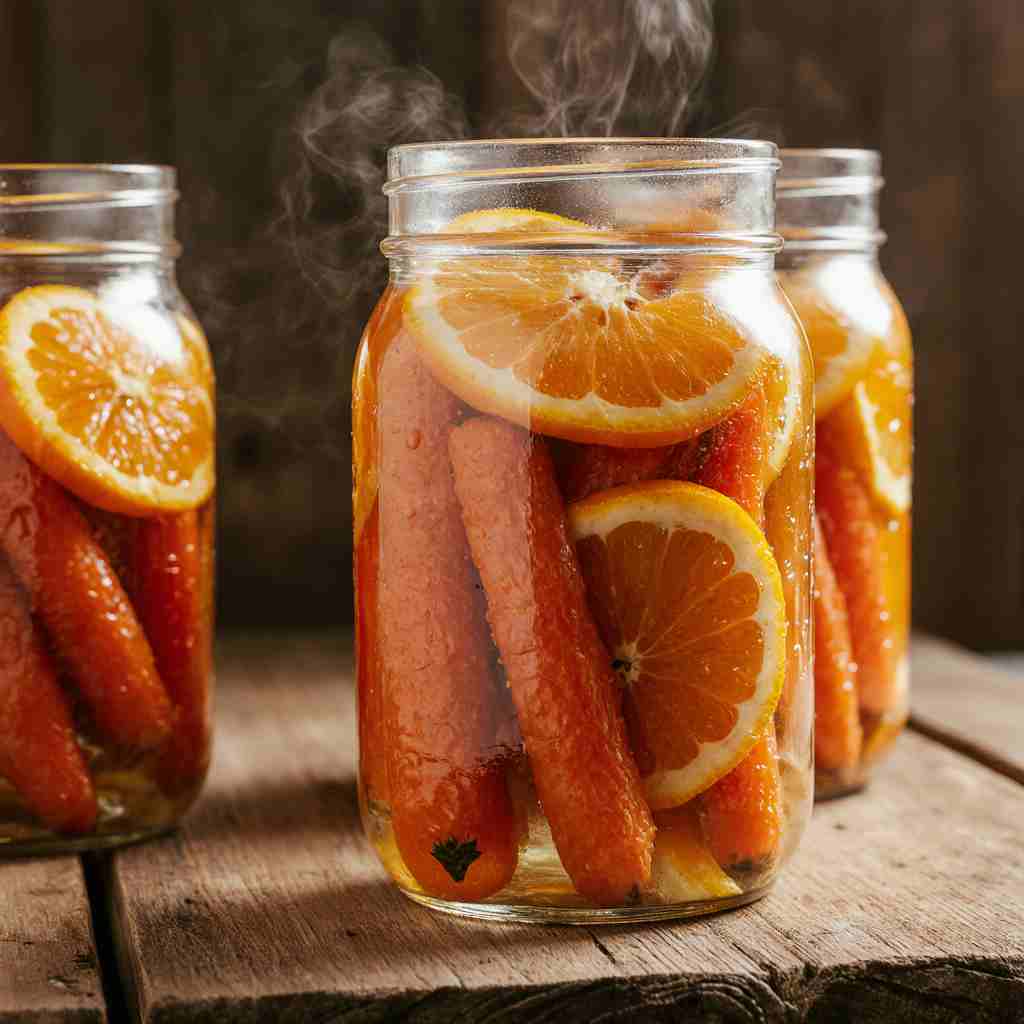
Canning your own carrots offers unparalleled freshness compared to store-bought canned vegetables. It’s a fantastic way to preserve the sweet, natural flavor of garden-fresh carrots. Furthermore, home canning is a budget-friendly alternative to buying canned goods. You control the ingredients, avoiding unnecessary additives and preservatives, and utilizing your own produce. Whether you prefer them diced, sliced, or as whole baby carrots, the texture and taste remain remarkably close to fresh.
Making these at home also provides a deep satisfaction in having home grown and preserved nutritious food. Think of the comforting feeling of knowing you have a pantry stocked with healthy vegetables you prepared yourself. Comparable canned green beans, also a low acid vegetable are usually home canned but the price per can is cheaper when canned at home. Ready to get started? Grab your pressure canner and give this recipe a try!
What to Serve Canning Carrots With:
Canned carrots are a versatile side dish that complements a wide variety of meals. They are a wonderful addition to pot roasts, providing a sweet and tender counterpoint to the savory meat. Simmering them with a touch of butter and herbs, such as thyme or parsley, enhances their natural flavor.
They also pair well with chicken dishes, particularly roasted chicken or chicken pot pie. For a vegetarian meal, canned carrots can be added to grain bowls with quinoa or barley, along with other roasted vegetables like Brussels sprouts or sweet potatoes. Consider using them in a hearty vegetable soup or stew for added nutrients and flavor.
Top Tips for Perfecting Canning Carrots:
- Choose the Right Carrots: Opt for young, tender carrots with a vibrant orange color. Older, larger carrots can become tough and bitter during canning.
- Uniform Cutting: Cut the carrots into uniform sizes to ensure even cooking and heat penetration during the canning process.
- Don’t Skip Venting: Venting the pressure canner for the full 10 minutes is essential for removing air, which can affect the processing time and safety of the canned product.
- Maintain Consistent Pressure: Keep a close eye on the pressure gauge and adjust the heat as needed to maintain the required pressure throughout the processing time. Fluctuations in pressure can lead to under-processing and potential spoilage.
- Proper Headspace: Always maintain the recommended 1-inch headspace to allow for expansion during processing. Too little headspace can cause the jars to burst, while too much headspace can lead to seal failure.
- Use Canning Salt: Canning salt is pure sodium chloride without the additives found in table salt, which can cause cloudiness in the canned product.
- Hot Pack for Better Results: While you can raw-pack carrots, hot-packing helps remove air and improves the vacuum seal, leading to a more shelf-stable product.
- Inspect Jars Carefully: Before filling your jars, thoroughly inspect each jar for any chips or cracks, especially around the rim. Even small imperfections can prevent a proper seal.
- Don’t Rush the Cooling: Allow the pressure canner to cool down naturally. Never force cool the canner.
Health Benefits of Canning Carrots:
While some nutrients can be lost during the canning process, canned carrots still retain many of their beneficial qualities. They are an excellent source of Vitamin A, crucial for healthy vision, immune function, and cell growth. Carrots also contain dietary fiber, which aids in digestion and helps regulate blood sugar levels.
The canning process actually makes some nutrients, such as beta-carotene, more bioavailable, meaning your body can absorb them more easily. Enjoying canned carrots is a convenient way to incorporate essential antioxidants into your diet, which help protect your cells from damage caused by free radicals.
Storing and Reheating Tips:
Storing: Properly canned carrots should be stored in a cool, dark, and dry place such as a pantry or basement. Avoid storing them near heat sources or in direct sunlight, as this can degrade the quality of the food. Canned carrots are best used within 12-18 months for optimal flavor and texture. However, they can still be safe to eat beyond this timeframe if the seal remains intact and there are no signs of spoilage. Always check for bulging lids, leaks, or unusual odors before consuming.
Reheating: To reheat canned carrots, simply pour the contents of the jar into a saucepan and heat over medium heat until warmed through. You can also microwave them in a microwave-safe dish. For added flavor, consider adding a pat of butter, a sprinkle of herbs, or a drizzle of honey during the reheating process. Canned carrots can be easily incorporated into various dishes such as soups, stews, casseroles, or as a side dish alongside roasted meats or vegetables.
Final Thoughts:
Canning carrots at home is a rewarding way to enjoy the taste of fresh, homegrown produce all year long. By following these pressure canning instructions and safety guidelines, you can create a safe and delicious product that will be a welcome addition to your pantry. Don’t be intimidated by the process; with a little practice and attention to detail, you’ll be canning carrots like a pro in no time!
Read more :
- Canning Corn on the Cob
- Canning Vegetable Soup
- Pickled Mixed Vegetables (Giardiniera)
- Canning Vegetable Stock
- Pressure Canning Green Beans
- our Pinterest
Canning Carrots FAQs:
Can I can carrots in a boiling water bath? No. Because carrots are a low-acid vegetable, they must be processed in a pressure canner to eliminate the risk of botulism. A boiling water bath does not reach a high enough temperature to kill the bacteria that causes botulism.
Can I add other vegetables to the jars with the carrots? Do not add other vegetables to the carrots unless you have a tested recipe for that specific combination. Different vegetables have different processing times, and combining them can lead to unsafe canning.
What if my carrots are mushy after canning? Mushy carrots can be caused by overcooking or using overly mature carrots. Ensure you are following the correct processing time and use young, tender carrots. Also, avoid overcrowding the jars, as this can affect heat penetration.