
Canning Chicken Broth: Your Ultimate Guide to Homemade Goodness**
Unlock the secret to a pantry always stocked with rich, flavorful liquid gold with this comprehensive guide to canning chicken broth. This essential skill not only elevates your cooking but also transforms kitchen scraps into a valuable resource, saving you money and reducing waste.
Key Ingredients for Canning Chicken Broth :
- 10-15 pounds chicken bones (backs, necks, wings, carcasses – roasted or raw)
- 2-3 pounds chicken pieces (optional, for richer flavor and gelatin)
- 3-4 quarts cold water (enough to cover ingredients)
- 2 large onions, quartered (unpeeled for color)
- 4-5 carrots, roughly chopped
- 4-5 celery stalks, roughly chopped
- 1-2 bay leaves
- 1 teaspoon whole black peppercorns
- 2-3 sprigs fresh parsley (optional)
- 1 tablespoon apple cider vinegar (helps extract minerals)
- Salt to taste (add after canning or at the end of cooking)
How to Make Canning Chicken Broth :
This canning chicken broth recipe is surprisingly simple, yielding a deeply satisfying and incredibly versatile foundation for countless meals. Its rich aroma will fill your kitchen as it simmers, promising a delicious broth that beats store-bought any day. Anticipate approximately 30 minutes of active preparation time, followed by 4-6 hours of simmering.
Step-by-Step Instructions:
Prepare Your Bones and Scraps: If you’re using raw bones, place them in a large stockpot or a canner. For a deeper flavor and richer color, you can roast your chicken bones and any leftover carcass from a roasted chicken in the oven at 400°F (200°C) for 30-45 minutes until nicely browned. This roasting step is crucial for developing complex flavors.
Add Aromatics and Water: To the pot with the bones, add the quartered onions (leave the skins on for a beautiful golden hue!), chopped carrots, and celery. Toss in the bay leaves, whole peppercorns, and fresh parsley sprigs if using. Pour in enough cold water to generously cover all the ingredients by at least an inch or two. Adding the apple cider vinegar at this stage helps to leach minerals from the bones, making your broth more nutritious.
Bring to a Simmer: Place the pot over medium-high heat and slowly bring the mixture to a gentle simmer. Do not boil vigorously, as this can make the broth cloudy.
Skim Impurities: As the broth begins to simmer, you’ll notice foam and impurities rising to the surface. This is the albumen from the bones and meat. Use a fine-mesh sieve or a large spoon to carefully skim off this foam and discard it. Continue to skim periodically throughout the simmering process to ensure a clear broth.
Simmer for Flavor Extraction: Once skimmed, reduce the heat to low, cover the pot loosely, and let the broth simmer for a minimum of 4 hours, or up to 6-8 hours for maximum flavor extraction. The longer it simmers, the more deeply flavored and nutrient-rich your broth will become. Resist the urge to stir too often.
Strain the Broth: After simmering, carefully strain the broth through a colander lined with cheesecloth into a large heatproof bowl or another pot. Discard the solids. If you desire an even clearer broth, you can strain it a second time through a fine-mesh sieve.
Cool and Degrease: Let the strained broth cool slightly at room temperature for about 30 minutes. Then, cover the pot and refrigerate until the fat rises to the top and solidifies. This chilled fat can be easily scooped off and saved for other cooking uses (like sautéing vegetables or making gravy), leaving you with a clean, pure broth.
Prepare for Canning: You’ll need sterilized canning jars, lids, and rings. Ensure your jars are clean and have no chips or cracks. Heat your jars in a water bath canner or a large pot of simmering water to keep them hot. Prepare your lids according to the manufacturer’s instructions (usually by simmering them in water).
Fill the Jars: Ladle the degreased chicken broth into the hot, sterilized canning jars, leaving a 1-inch headspace at the top. Remove any air bubbles by sliding a non-metallic spatula or chopstick around the inside of the jar. Wipe the rims of the jars clean with a damp cloth, then place the lids on top and screw on the rings until they are fingertip tight.
Process in a Water Bath Canner: Place the filled jars onto the rack in your water bath canner, ensuring they are covered by at least 1-2 inches of hot water. Bring the water to a rolling boil, then start your processing time. For quart-sized jars, process at a full rolling boil for 25 minutes. For pint-sized jars, process for 20 minutes. Adjust processing times for altitude if necessary.
Cool and Check Seals: Once the processing time is complete, carefully remove the canner lid and let the jars sit in the hot water for another 5 minutes before removing them. Place the jars on a towel-lined counter to cool completely for 12-24 hours. You’ll hear a satisfying “ping” as the lids seal. After cooling, check each lid to ensure it is concave and does not flex when pressed. Remove the rings for storage to prevent rust.
Final Thoughts :
Canning chicken broth is a rewarding kitchen endeavor that pays dividends in flavor and savings. Empower yourself with this foundational skill and transform your everyday meals into culinary masterpieces. Give it a try – your pantry and your palate will be eternally grateful!
Read more :
- Canning Corn on the Cob
- Canning Vegetable Soup
- Pickled Mixed Vegetables (Giardiniera)
- Canning Vegetable Stock
- Pressure Canning Green Beans
- our Pinterest
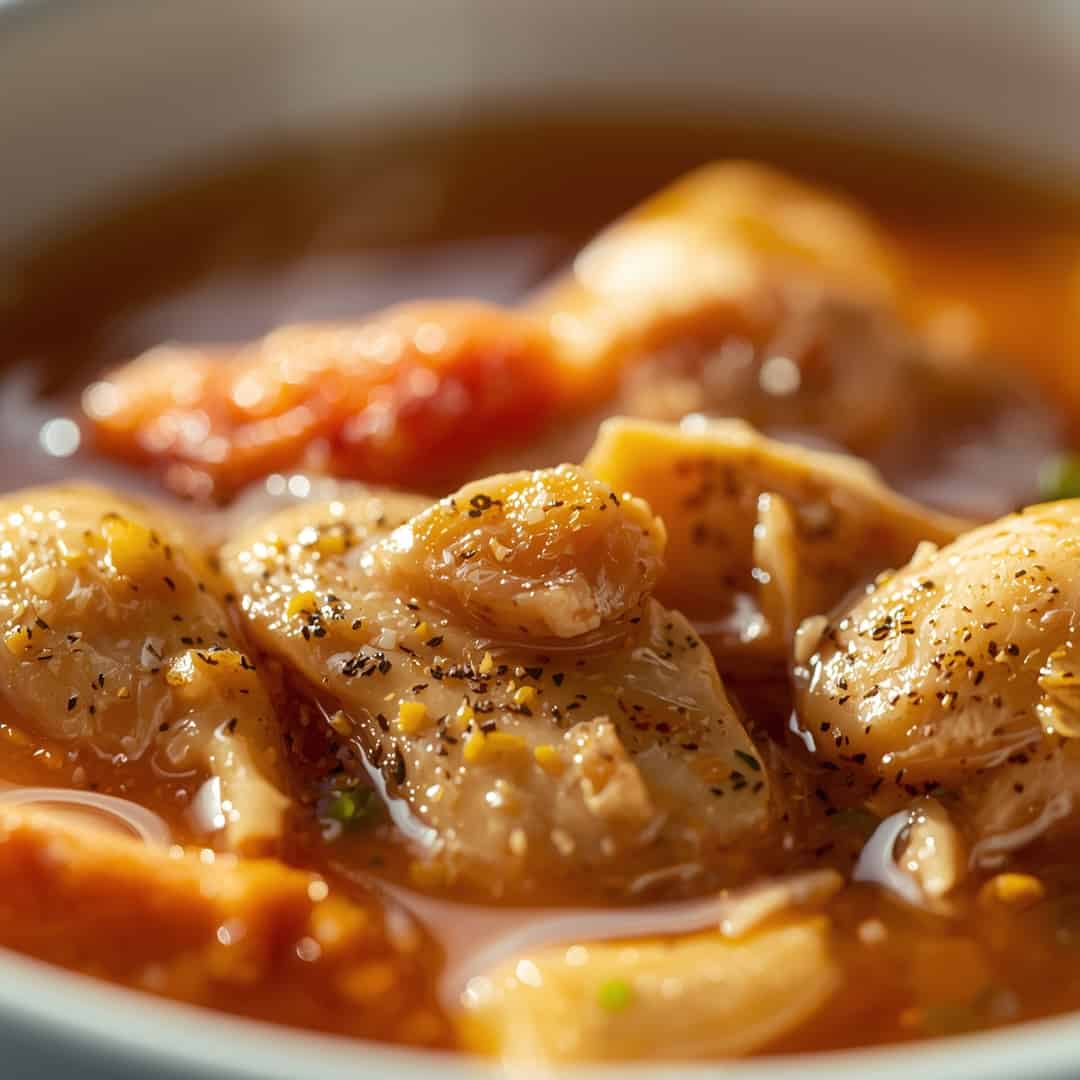
Canning Chicken Broth
Ingredients
Equipment
Method
- If you’re using raw bones, place them in a large stockpot or a canner. For a deeper flavor and richer color, you can roast your chicken bones and any leftover carcass from a roasted chicken in the oven at 400°F (200°C) for 30-45 minutes until nicely browned. This roasting step is crucial for developing complex flavors.10-15 pounds chicken bones (backs, necks, wings, carcasses – roasted or raw)
- To the pot with the bones, add the quartered onions (leave the skins on for a beautiful golden hue!), chopped carrots, and celery. Toss in the bay leaves, whole peppercorns, and fresh parsley sprigs if using. Pour in enough cold water to generously cover all the ingredients by at least an inch or two. Adding the apple cider vinegar at this stage helps to leach minerals from the bones, making your broth more nutritious.10-15 pounds chicken bones (backs, necks, wings, carcasses – roasted or raw), 2-3 pounds chicken pieces (optional, for richer flavor and gelatin), 3-4 quarts cold water, 2 large onions, quartered, 4-5 carrots, roughly chopped, 4-5 celery stalks, roughly chopped, 1-2 bay leaves, 1 teaspoon whole black peppercorns, 2-3 sprigs fresh parsley, 1 tablespoon apple cider vinegar
- Place the pot over medium-high heat and slowly bring the mixture to a gentle simmer. Do not boil vigorously, as this can make the broth cloudy.
- As the broth begins to simmer, you’ll notice foam and impurities rising to the surface. This is the albumen from the bones and meat. Use a fine-mesh sieve or a large spoon to carefully skim off this foam and discard it. Continue to skim periodically throughout the simmering process to ensure a clear broth.
- Once skimmed, reduce the heat to low, cover the pot loosely, and let the broth simmer for a minimum of 4 hours, or up to 6-8 hours for maximum flavor extraction. The longer it simmers, the more deeply flavored and nutrient-rich your broth will become. Resist the urge to stir too often.
- After simmering, carefully strain the broth through a colander lined with cheesecloth into a large heatproof bowl or another pot. Discard the solids. If you desire an even clearer broth, you can strain it a second time through a fine-mesh sieve.
- Let the strained broth cool slightly at room temperature for about 30 minutes. Then, cover the pot and refrigerate until the fat rises to the top and solidifies. This chilled fat can be easily scooped off and saved for other cooking uses (like sautéing vegetables or making gravy), leaving you with a clean, pure broth.
- You’ll need sterilized canning jars, lids, and rings. Ensure your jars are clean and have no chips or cracks. Heat your jars in a water bath canner or a large pot of simmering water to keep them hot. Prepare your lids according to the manufacturer’s instructions (usually by simmering them in water).
- Ladle the degreased chicken broth into the hot, sterilized canning jars, leaving a 1-inch headspace at the top. Remove any air bubbles by sliding a non-metallic spatula or chopstick around the inside of the jar. Wipe the rims of the jars clean with a damp cloth, then place the lids on top and screw on the rings until they are fingertip tight.
- Place the filled jars onto the rack in your water bath canner, ensuring they are covered by at least 1-2 inches of hot water. Bring the water to a rolling boil, then start your processing time. For quart-sized jars, process at a full rolling boil for 25 minutes. For pint-sized jars, process for 20 minutes. Adjust processing times for altitude if necessary.
- Once the processing time is complete, carefully remove the canner lid and let the jars sit in the hot water for another 5 minutes before removing them. Place the jars on a towel-lined counter to cool completely for 12-24 hours. You’ll hear a satisfying “ping” as the lids seal. After cooling, check each lid to ensure it is concave and does not flex when pressed. Remove the rings for storage to prevent rust.