
Unlock the convenience of perfectly canned dry beans without the lengthy soaking with our innovative canning dry beans no soak method. This straightforward recipe transforms dried legumes into tender, ready-to-use ingredients for countless meals, saving you time and prep work. Stock your pantry with wholesome goodness effortlessly.
Key Ingredients for Canning Dry Beans No Soak
- 2 pounds dried beans (such as pinto beans, kidney beans, black beans, navy beans, or chickpeas – choose your favorite variety!)
- Water, for rinsing and processing
- Salt (optional, for flavor: 1/2 teaspoon per pint jar)
- White vinegar (optional, to prevent darkening: 1 teaspoon per pint jar)
How to Make Canning Dry Beans No Soak
This canning dry beans no soak method bypasses the overnight soak, making it incredibly accessible for busy individuals. In approximately 20 minutes of active preparation, you’ll achieve a pantry full of perfectly cooked beans ready for your culinary creations. The resulting texture is wonderfully tender, rivaling even the most meticulously soaked and cooked beans.
Step-by-Step Instructions
Prepare Your Beans and Jars: Begin by thoroughly rinsing your chosen dried beans under cool running water. Inspect them carefully, removing any small stones, debris, or shriveled/broken beans. While the beans are rinsing, prepare your Mason jars. Wash them thoroughly with hot, soapy water and rinse well. Keep them hot – you can place them in a simmering water bath or in a preheated low oven (around 200°F/93°C) while you work. Ensure your canning lids are new and the rings are clean. Prepare your boiling water canner, ensuring it’s large enough to hold your jars and deep enough to cover them by at least 1-2 inches of water.
Pre-Cook the Beans: Unlike traditional canning methods that require pre-soaking, this no-soak approach involves a brief pre-cooking stage within the jar. You will add the dry beans directly to the hot jars.
Pack the Jars: For pint-sized jars, pack them about two-thirds full with the dry, rinsed beans. For quart-sized jars, pack them about halfway to two-thirds full. As the beans hydrate and cook, they will expand significantly. Do not overpack the jars with dry beans, as this can lead to headspace issues and potential jar seal failures.
Add Flavorings (Optional): If you desire, add your optional ingredients now. For pint jars, add 1/2 teaspoon of salt and 1 teaspoon of white vinegar. This vinegar helps preserve the beans’ natural color and prevents them from darkening during processing. Stir gently to distribute.
Add Boiling Water: Carefully ladle boiling water over the beans in each jar, leaving 1 inch of headspace at the top. The headspace is the empty space between the top of the food and the rim of the jar. This is crucial for creating a proper vacuum seal during processing.
Remove Air Bubbles: Use a non-metallic utensil, such as a plastic spatula or chopstick, to gently work around the inside of the jar, releasing any trapped air bubbles. Add more boiling water if necessary to maintain the 1-inch headspace after removing air bubbles.
Wipe Jar Rims and Apply Lids: Wipe the rims of each jar meticulously with a clean, damp cloth to remove any food particles or residue. These particles can prevent a good seal from forming. Center a new canning lid on each jar and screw on the canning ring until it is fingertip-tight. Do not overtighten, as air needs to escape during processing.
Process in the Canner: Carefully place the filled jars into your preheated boiling water canner. Ensure the jars are not touching each other and are submerged in at least 1-2 inches of boiling water. Once the water returns to a rolling boil, begin timing the processing. Process pint jars for 75 minutes and quart jars for 90 minutes at altitudes below 1,000 feet. Adjust processing times for higher altitudes according to canning guidelines.
Cool and Check Seals: After the processing time is complete, turn off the heat, remove the canner lid, and let the jars sit in the hot water for an additional 5 minutes. Carefully remove the jars from the canner using a jar lifter and place them upright on a towel or cooling rack. Leave at least 1 inch of space between jars to allow for proper air circulation. Let the jars cool undisturbed for 12-24 hours. You will likely hear the lids “ping” as they seal.
Inspect Seals and Store: Once completely cool, check the seals. The center of each lid should be concave (curved inward) and should not flex when pressed. If a lid has not sealed, refrigerate the jar and use its contents within a few days, or reprocess it within 24 hours with a new lid. Wipe the sealed jars clean, remove any screw bands (as they can rust), label them with the date, and store them in a cool, dark, dry place.
Why You’ll Love This Canning Dry Beans No Soak Method
You’ll adore this canning dry beans no soak process for its sheer pantry-stocking power and the incredible deliciousness it unlocks. Imagine having perfectly tender beans ready for chilis, soups, salads, and dips at a moment’s notice, all without the prerequisite soaking that often deters spontaneous meal preparation. This method yields a wonderfully yielding bean, comparable in texture to those painstakingly prepared overnight, making it a weeknight savior.
The cost savings of making your own canned beans are substantial compared to purchasing pre-canned varieties, allowing you to stretch your grocery budget further. Plus, the ability to control the salt content and add your own seasonings makes these homemade beans far superior in flavor and healthfulness. They are a blank canvas for your culinary creativity, ready to be infused with your favorite spices. Don’t wait to transform your pantry; give this simple canning dry beans no soak recipe a try today!
Storing and Reheating Tips
- Storage: Properly sealed jars of canned dry beans no soak should be stored in a cool, dark, dry place, such as a pantry or cellar. They will maintain their best quality for up to 12 months. Ensure the storage area is free from extreme temperature fluctuations.
- Checking Seals: Before consuming, always check the seals of each jar. The lid should be concave and not flex. If a lid pops up or appears loose, the jar has lost its seal and should be refrigerated and used within a few days.
- Reheating: To reheat canned beans, drain and rinse them if desired. You can then add them directly to your desired recipe, such as chili, soup, or a bean salad. If you are reheating them plain, warm them gently in a saucepan with a tablespoon or two of water or broth until heated through. Avoid overheating, which can make them mushy.
- Freezing: If a jar has lost its seal, or if you prefer to freeze for even longer storage, you can transfer the beans (drained or with a little of their liquid) into freezer-safe containers or bags. They will last for up to 6-9 months in the freezer. Thaw overnight in the refrigerator before reheating.
Final Thoughts
Canning dry beans no soak is a truly game-changing technique for anyone who loves to cook with legumes. It dramatically simplifies the process of stocking your pantry with wholesome, ready-to-use beans. Give this easy and rewarding method a try, and discover the joy of homemade canned beans!
Read more :
- Canning Corn on the Cob
- Canning Vegetable Soup
- Pickled Mixed Vegetables (Giardiniera)
- Canning Vegetable Stock
- Pressure Canning Green Beans
- our Pinterest
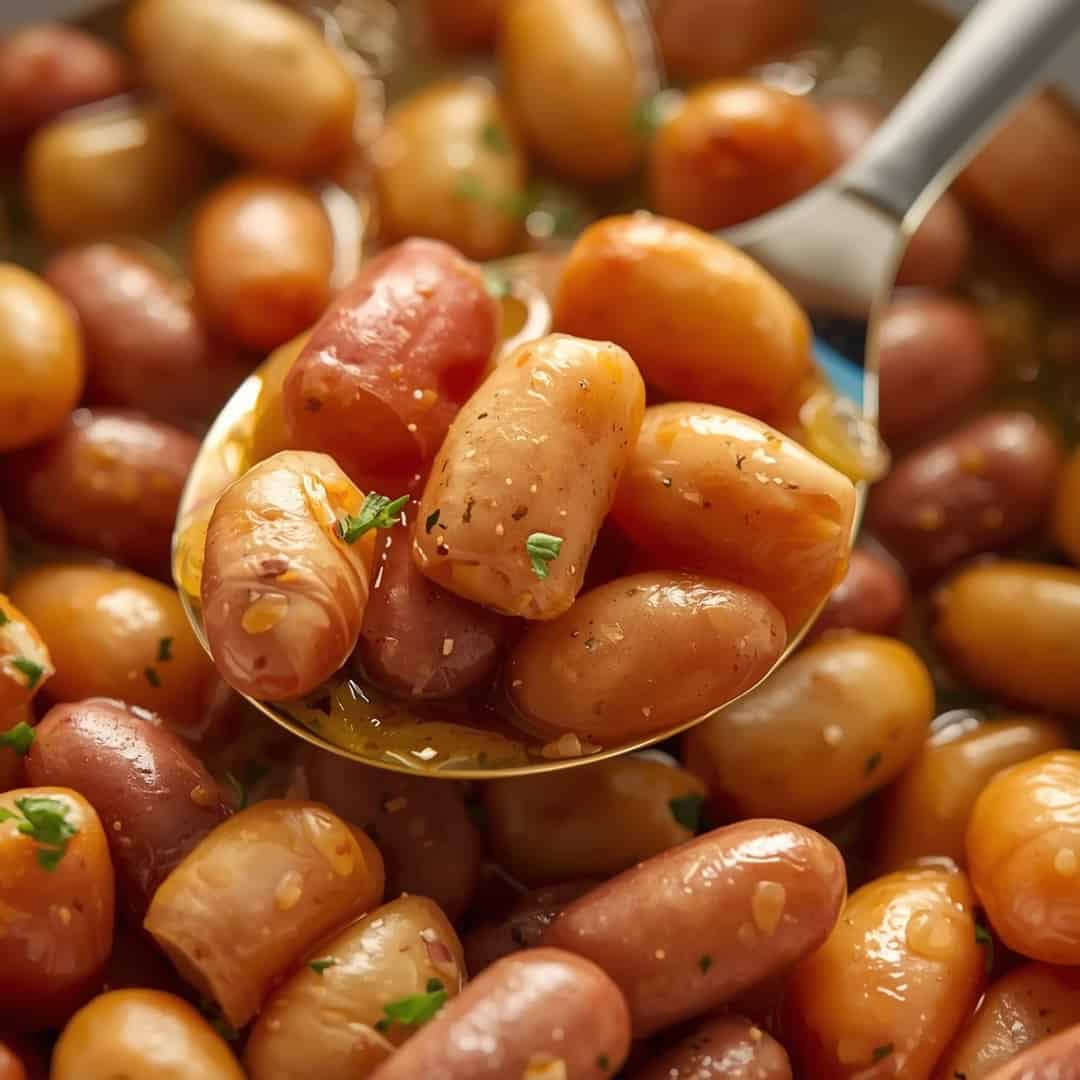
Canning Dry Beans No Soak
Ingredients
Equipment
Method
- Begin by thoroughly rinsing your chosen dried beans under cool running water. Inspect them carefully, removing any small stones, debris, or shriveled/broken beans. While the beans are rinsing, prepare your Mason jars. Wash them thoroughly with hot, soapy water and rinse well. Keep them hot – you can place them in a simmering water bath or in a preheated low oven (around 200°F/93°C) while you work. Ensure your canning lids are new and the rings are clean. Prepare your boiling water canner, ensuring it’s large enough to hold your jars and deep enough to cover them by at least 1-2 inches of water.
- Unlike traditional canning methods that require pre-soaking, this no-soak approach involves a brief pre-cooking stage within the jar. You will add the dry beans directly to the hot jars.
- For pint-sized jars, pack them about two-thirds full with the dry, rinsed beans. For quart-sized jars, pack them about halfway to two-thirds full. As the beans hydrate and cook, they will expand significantly. Do not overpack the jars with dry beans, as this can lead to headspace issues and potential jar seal failures.2 pounds dried beans
- If you desire, add your optional ingredients now. For pint jars, add 1/2 teaspoon of salt and 1 teaspoon of white vinegar. This vinegar helps preserve the beans’ natural color and prevents them from darkening during processing. Stir gently to distribute.1/2 teaspoon salt, 1 teaspoon white vinegar
- Carefully ladle boiling water over the beans in each jar, leaving 1 inch of headspace at the top. The headspace is the empty space between the top of the food and the rim of the jar. This is crucial for creating a proper vacuum seal during processing.water
- Use a non-metallic utensil, such as a plastic spatula or chopstick, to gently work around the inside of the jar, releasing any trapped air bubbles. Add more boiling water if necessary to maintain the 1-inch headspace after removing air bubbles.water
- Wipe the rims of each jar meticulously with a clean, damp cloth to remove any food particles or residue. These particles can prevent a good seal from forming. Center a new canning lid on each jar and screw on the canning ring until it is fingertip-tight. Do not overtighten, as air needs to escape during processing.
- Carefully place the filled jars into your preheated boiling water canner. Ensure the jars are not touching each other and are submerged in at least 1-2 inches of boiling water. Once the water returns to a rolling boil, begin timing the processing. Process pint jars for 75 minutes and quart jars for 90 minutes at altitudes below 1,000 feet. Adjust processing times for higher altitudes according to canning guidelines.
- After the processing time is complete, turn off the heat, remove the canner lid, and let the jars sit in the hot water for an additional 5 minutes. Carefully remove the jars from the canner using a jar lifter and place them upright on a towel or cooling rack. Leave at least 1 inch of space between jars to allow for proper air circulation. Let the jars cool undisturbed for 12-24 hours. You will likely hear the lids “ping” as they seal.
- Once completely cool, check the seals. The center of each lid should be concave (curved inward) and should not flex when pressed. If a lid has not sealed, refrigerate the jar and use its contents within a few days, or reprocess it within 24 hours with a new lid. Wipe the sealed jars clean, remove any screw bands (as they can rust), label them with the date, and store them in a cool, dark, dry place.