
Canning fresh corn is the perfect way to capture the vibrant, sweet taste of summer for enjoyment all year round. This straightforward canning process preserves the kernels’ natural sweetness and texture, ensuring you have a delicious and versatile ingredient on hand for countless future meals.
Key Ingredients for Canning Fresh Corn
- Fresh Corn on the Cob: 24-30 medium ears (approximately 8-10 pounds), husked and silk removed. Choose the freshest, sweetest corn available for the best results.
- Water: For blanching and for the canning liquid.
- Salt (Optional): 1 teaspoon per pint jar, for added flavor.
How to Make Canning Fresh Corn
Discover the satisfying simplicity of canning fresh corn, a process that yields sweet, tender kernels ready for soups, stews, casseroles, and side dishes. This method requires minimal ingredients and a bit of patience, but the reward is a pantry stocked with the taste of sunshine. Expect to spend about 30 minutes on preparation and then several hours for the canning process itself.
Step-by-Step Instructions
- Prepare Your Equipment: Gather your canning supplies: clean canning jars (pint or quart size), new lids, and rings. Ensure your canner is ready and has a rack. Wash jars, lids, and rings thoroughly in hot, soapy water and rinse well. Keep jars hot by placing them in your canner filled with water or in a separate pot of hot water until ready to fill.
- Blanch the Corn: Bring a large pot of water to a rolling boil. Carefully add the husked corn and boil for 3 minutes. This process stops enzyme action that can affect flavor and color.
- Cool and Cut the Corn: Using tongs, remove the corn from the boiling water and immediately plunge it into ice water to stop the cooking process. Let it cool for about 5-10 minutes. Once cooled, stand the ears of corn upright in a large bowl or on a cutting board and carefully cut off the kernels. Aim to cut about two-thirds of the way down each cob.
- Prepare the Canning Liquid: In a separate pot, heat 8 cups of water. If you are not using salt, this water will be your canning liquid. If you are using salt, add 1 teaspoon of salt for each pint jar you plan to fill.
- Pack the Jars: Remove hot jars from the canner or hot water. Ladle the hot canning liquid into each jar, leaving a 1-inch headspace at the top. If you are adding salt, ensure it’s evenly distributed.
- Remove Air Bubbles: Slide a non-metallic spatula or the handle of a plastic utensil around the inside edges of each jar to release any trapped air bubbles. Adjust the liquid level if necessary to maintain the 1-inch headspace.
- Wipe Jar Rims and Apply Lids: Wipe the rims of each jar with a clean, damp cloth to ensure a good seal. Center a new, flat lid on each jar and screw on the ring until it is just fingertip tight. Do not overtighten.
- Process in the Canner: Carefully place the filled jars onto the rack in your canner. Ensure the jars are not touching each other. Add hot water to the canner if needed, so the water level is at least 1 inch above the tops of the jars. Secure the lid of the canner.
- Vent the Canner: Bring the water in the canner to a rolling boil according to your canner’s manufacturer instructions. For weighted-gauge canners, allow steam to vent for 10 minutes. For dial-gauge canners, vent steam for 10 minutes once the dial reaches the desired pressure.
- Process Jars Under Pressure/Boiling: Once venting is complete, apply the correct weight or close the petcock to bring the canner up to pressure or begin boiling time. For boiling water bath canning: Process pint jars for 25 minutes and quart jars for 30 minutes at altitudes of 0-1,000 feet. Adjust processing times for higher altitudes as recommended. For pressure canning: Process pint or quart jars at 10 pounds of pressure (for weighted-gauge canners) or 11 pounds of pressure (for dial-gauge canners) for 20 minutes.
- Cool Down: After the processing time is complete, turn off the heat and allow the canner to cool down naturally. Do not rush the cooling process. Once the pressure has completely dropped (for pressure canners) or the canner is cool enough to handle, carefully remove the canner lid, tilting it away from your face.
- Remove Jars and Let Them Seal: Let the jars sit in the canner for another 5 minutes. Then, carefully remove the jars from the canner using a jar lifter and place them upright on a towel-lined counter, leaving at least 1 inch of space between jars. Allow them to cool undisturbed for 12-24 hours. You should hear the lids “ping” as they seal.
- Check Seals and Store: Once completely cooled, check that the lids have sealed. The center of the lid should be concave and should not flex when pressed. Remove the rings, wipe the jars clean, label them with the contents and date, and store them in a cool, dark, dry place.
Why You’ll Love This Canning Fresh Corn
You’ll absolutely adore the bright, natural sweetness of canning fresh corn, a pure taste of summer preserved for any season. Unlike store-bought canned corn, which can sometimes have a mushy texture and less vibrant flavor, your homemade version will burst with that delightful just-picked crispness. This cost-effective method allows you to enjoy the bounty of corn season without the premium price tag, making it a smart choice for your budget-conscious kitchen.
Imagine having perfectly sweet corn kernels ready for your famous corn chowder, a quick weeknight succotash, or as a vibrant addition to salads and cornbread, all at a moment’s notice. The simplicity of this canning recipe means you can fill your pantry with sunshine, empowering you to add a touch of summer to any meal. So, gather your corn and get ready to savor the sweet rewards of canning fresh corn – your future meals will thank you!
Storing and Reheating Tips
Properly stored, your canning fresh corn will maintain excellent quality for at least 12 months. Store sealed jars in a cool, dark, and dry place, ideally between 50°F and 70°F (10°C and 21°C). Avoid direct sunlight and fluctuating temperatures, which can degrade the corn’s quality and compromise seals. Before using, always check jars for any signs of spoilage, such as bulging lids, leaks, or an off odor. If a jar fails to seal, refrigerate its contents and consume within 3-4 days, or reprocess within 24 hours using a new lid and following canning procedures.
To reheat your canned corn, simply drain it and use it as you would fresh corn. It can be warmed gently in a saucepan with a tablespoon of butter or a splash of water, or added directly to dishes like soups, stews, or casseroles during their cooking time. For larger quantities, gentle simmering is recommended to preserve texture. Freezing is not typically necessary for properly canned corn, as the canning process itself is a preservation method.
Final Thoughts
Canning fresh corn is a rewarding and delicious way to extend the joys of summer. With just a few simple steps, you can preserve that incredible sweetness for countless future meals. So, give it a try and fill your pantry with the taste of sunshine!
Read more :
- Canning Corn on the Cob
- Canning Vegetable Soup
- Pickled Mixed Vegetables (Giardiniera)
- Canning Vegetable Stock
- Pressure Canning Green Beans
- our Pinterest
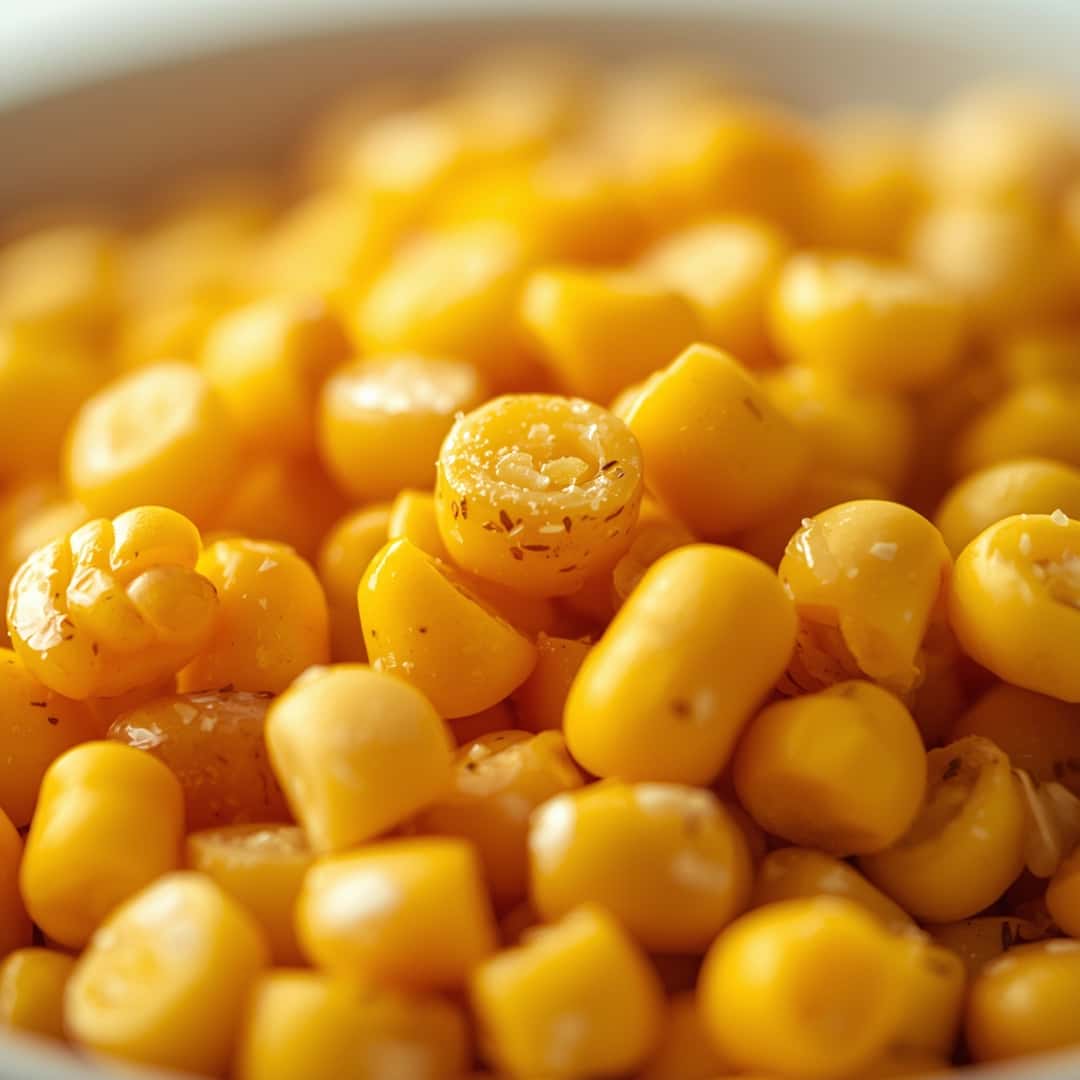
Canning Fresh Corn
Ingredients
Equipment
Method
- Gather your canning supplies: clean canning jars (pint or quart size), new lids, and rings. Ensure your canner is ready and has a rack. Wash jars, lids, and rings thoroughly in hot, soapy water and rinse well. Keep jars hot by placing them in your canner filled with water or in a separate pot of hot water until ready to fill.
- Bring a large pot of water to a rolling boil. Carefully add the husked corn and boil for 3 minutes. This process stops enzyme action that can affect flavor and color.Water, 24-30 medium ears Fresh Corn on the Cob
- Using tongs, remove the corn from the boiling water and immediately plunge it into ice water to stop the cooking process. Let it cool for about 5-10 minutes. Once cooled, stand the ears of corn upright in a large bowl or on a cutting board and carefully cut off the kernels. Aim to cut about two-thirds of the way down each cob.24-30 medium ears Fresh Corn on the Cob
- In a separate pot, heat 8 cups of water. If you are not using salt, this water will be your canning liquid. If you are using salt, add 1 teaspoon of salt for each pint jar you plan to fill.Water, 1 teaspoon Salt
- Remove hot jars from the canner or hot water. Ladle the hot canning liquid into each jar, leaving a 1-inch headspace at the top. If you are adding salt, ensure it’s evenly distributed.Water, 1 teaspoon Salt
- Slide a non-metallic spatula or the handle of a plastic utensil around the inside edges of each jar to release any trapped air bubbles. Adjust the liquid level if necessary to maintain the 1-inch headspace.
- Wipe the rims of each jar with a clean, damp cloth to ensure a good seal. Center a new, flat lid on each jar and screw on the ring until it is just fingertip tight. Do not overtighten.
- Carefully place the filled jars onto the rack in your canner. Ensure the jars are not touching each other. Add hot water to the canner if needed, so the water level is at least 1 inch above the tops of the jars. Secure the lid of the canner.Water
- Bring the water in the canner to a rolling boil according to your canner’s manufacturer instructions. For weighted-gauge canners, allow steam to vent for 10 minutes. For dial-gauge canners, vent steam for 10 minutes once the dial reaches the desired pressure.
- Once venting is complete, apply the correct weight or close the petcock to bring the canner up to pressure or begin boiling time. For boiling water bath canning: Process pint jars for 25 minutes and quart jars for 30 minutes at altitudes of 0-1,000 feet. Adjust processing times for higher altitudes as recommended. For pressure canning: Process pint or quart jars at 10 pounds of pressure (for weighted-gauge canners) or 11 pounds of pressure (for dial-gauge canners) for 20 minutes.
- After the processing time is complete, turn off the heat and allow the canner to cool down naturally. Do not rush the cooling process. Once the pressure has completely dropped (for pressure canners) or the canner is cool enough to handle, carefully remove the canner lid, tilting it away from your face.
- Let the jars sit in the canner for another 5 minutes. Then, carefully remove the jars from the canner using a jar lifter and place them upright on a towel-lined counter, leaving at least 1 inch of space between jars. Allow them to cool undisturbed for 12-24 hours. You should hear the lids “ping” as they seal.
- Once completely cooled, check that the lids have sealed. The center of the lid should be concave and should not flex when pressed. Remove the rings, wipe the jars clean, label them with the contents and date, and store them in a cool, dark, dry place.