
Canning garlic is a fantastic way to preserve this kitchen staple, offering a convenient and cost-effective solution for ensuring you always have flavorful garlic on hand. This simple canning method allows you to keep its pungent goodness ready for all your culinary creations, from marinades to stews.
Key Ingredients for Canning Garlic
- Fresh Garlic: 3 pounds of firm, unblemished garlic bulbs. It’s best to use garlic that is relatively dry and has had its tops trimmed, but the papery skins should remain on the individual cloves.
- White Vinegar: 4 cups, 5% acidity. This provides the necessary acidity for safe canning and also adds a pleasant tang.
- Water: 4 cups. Used in conjunction with vinegar for the brining solution.
- Salt (Pickling or Sea Salt): 2 tablespoons. Enhances flavor and aids in preservation. Avoid iodized salt, as it can cause discoloration.
- Optional: Sugar: 1 tablespoon. If you prefer a slightly less tangy garlic, a small amount of sugar can be added.
- Optional: Flavorings: Such as sprigs of fresh dill, red pepper flakes, or small pieces of bay leaf for infused garlic.
How to Make Canning Garlic
This simple canning garlic recipe is your secret weapon for always having ready-to-use garlic. It takes just about 30 minutes of active preparation time, plus the time for processing, resulting in perfectly preserved, tender garlic cloves brimming with savory flavor. The ease of this method means even novice canners can confidently achieve delicious, shelf-stable results.
Step-by-Step Instructions
- Prepare Your Garlic: Begin by separating the garlic bulbs into individual cloves. Do not peel the cloves at this stage; leave the papery skins intact. Trim off any excess roots or the very tips of the stems, but ensure the skins remain to protect the cloves.
- Sterilize Your Canning Equipment: Wash your pint-sized canning jars, lids, and rings in hot, soapy water. Rinse thoroughly and place the jars upright in your canner or a large pot filled with water. Bring the water to a simmer and let the jars process for at least 10 minutes to sterilize them. Keep the jars hot until ready to fill. Wash the lids and rings and set them aside.
- Prepare the Brining Solution: In a medium saucepan, combine the white vinegar and water. Add the pickling or sea salt (and sugar, if using). Stir well to dissolve the salt. Bring the mixture to a boil over medium-high heat.
- Blanch the Garlic (Optional but Recommended): For a milder garlic flavor and easier peeling, you can blanch the prepared garlic cloves. Bring a separate pot of water to a rolling boil. Add the garlic cloves and boil for 1 minute. Immediately drain the garlic and rinse them under cold water. This step also helps to loosen the skins.
- Peel the Garlic Cloves: Once blanched and cooled enough to handle, carefully peel the papery skins off each garlic clove. Discard the skins.
- Pack the Jars: Carefully place the peeled garlic cloves into the hot, sterilized pint jars. Pack them relatively tightly but avoid crushing them. You can add any optional flavorings like dill sprigs or red pepper flakes at this stage.
- Fill Jars with Brine: Pour the boiling vinegar and water solution over the garlic cloves in each jar, leaving about ½ inch of headspace (the space between the top of the liquid and the rim of the jar).
- Remove Air Bubbles: Use a non-metallic utensil, such as a plastic spatula or chopstick, to gently run around the inside of the jars to release any trapped air bubbles. Add more brine if necessary to maintain the ½ inch headspace.
- Wipe Jar Rims and Apply Lids: Wipe the rims of the jars clean with a damp cloth. Center the flat lids on the jars and screw on the rings until just fingertip tight. Do not overtighten.
- Process in a Water Bath Canner: Place the filled jars into your water bath canner, ensuring they are covered by at least 1-2 inches of water. Bring the water to a rolling boil. Once boiling, process the jars for 10 minutes for pint-sized jars (adjusting for altitude if necessary).
- Cool and Check Seals: Carefully remove the jars from the canner using jar lifters and place them on a towel-lined counter to cool completely. Do not tighten the rings. You may hear a “ping” as the lids seal. Allow to cool for 12-24 hours. Once cool, check that the lids have sealed by pressing down on the center. If the lid flexes up and down, it has not sealed and should be refrigerated and used within a few weeks. Remove the rings from sealed jars, wipe them clean, and store the jars without the rings to prevent rust.
Why You’ll Love This Canning Garlic
You’ll absolutely adore canning garlic because it transforms a humble ingredient into a culinary superpower, ready at a moment’s notice. Imagine having perfectly tender, infused garlic cloves ready to elevate any weeknight meal, saving you time and money compared to buying pre-prepped garlic. This method is akin to making your own pickled onions; while both involve preserving vegetables in vinegar for a tangy twist, canning garlic results in a softer, more versatile product perfect for sautés and sauces, unlike the crunchier pickled onion counterpart.
This is more than just preserving garlic; it’s about empowering your kitchen with convenience and flavor. Skip the tedious peeling and chopping after a long day and impress yourself with the delicious, homemade quality you’ve achieved. Go ahead, give this canning garlic recipe a try – your future self will thank you for it, and your taste buds will sing!
Storing and Reheating Tips
Properly stored canning garlic will remain shelf-stable for at least 12 to 18 months.
- Storage: Keep sealed, processed jars in a cool, dark, and dry place. A pantry or basement is ideal. Ensure the bands are removed from the lids to prevent rust and to allow you to easily check for seal integrity.
- Checking Seals: Before using, always check that the lids are still sealed. Gently press the center of the lid. If it doesn’t flex, it’s sealed. If it flexes, refrigerate the jar immediately and use within 2-3 weeks.
- Reheating (if applicable – for cooked dishes using canned garlic): If you’ve used your canned garlic in a dish and have leftovers, store them in an airtight container in the refrigerator. Reheat gently on the stovetop or in the microwave until warmed through.
- Freezing (for unsealed jars or cooked dishes): If a jar did not seal, or if you have cooked dishes containing canned garlic, these can be frozen. Place cooled leftovers or unsealed jars into freezer-safe containers or bags. Ensure they are well-sealed to prevent freezer burn. Frozen canned garlic will retain good quality for up to 3 months. Thaw frozen items in the refrigerator overnight before use.
Final Thoughts
Canning garlic is a rewarding way to ensure you always have this essential ingredient readily available, saving you time and money. Embrace this simple preservation technique and enjoy the convenience and vibrant flavor it brings to your cooking. Give it a go – you’ll be delighted with the results!
Read more :
- Canning Corn on the Cob
- Canning Vegetable Soup
- Pickled Mixed Vegetables (Giardiniera)
- Canning Vegetable Stock
- Pressure Canning Green Beans
- our Pinterest
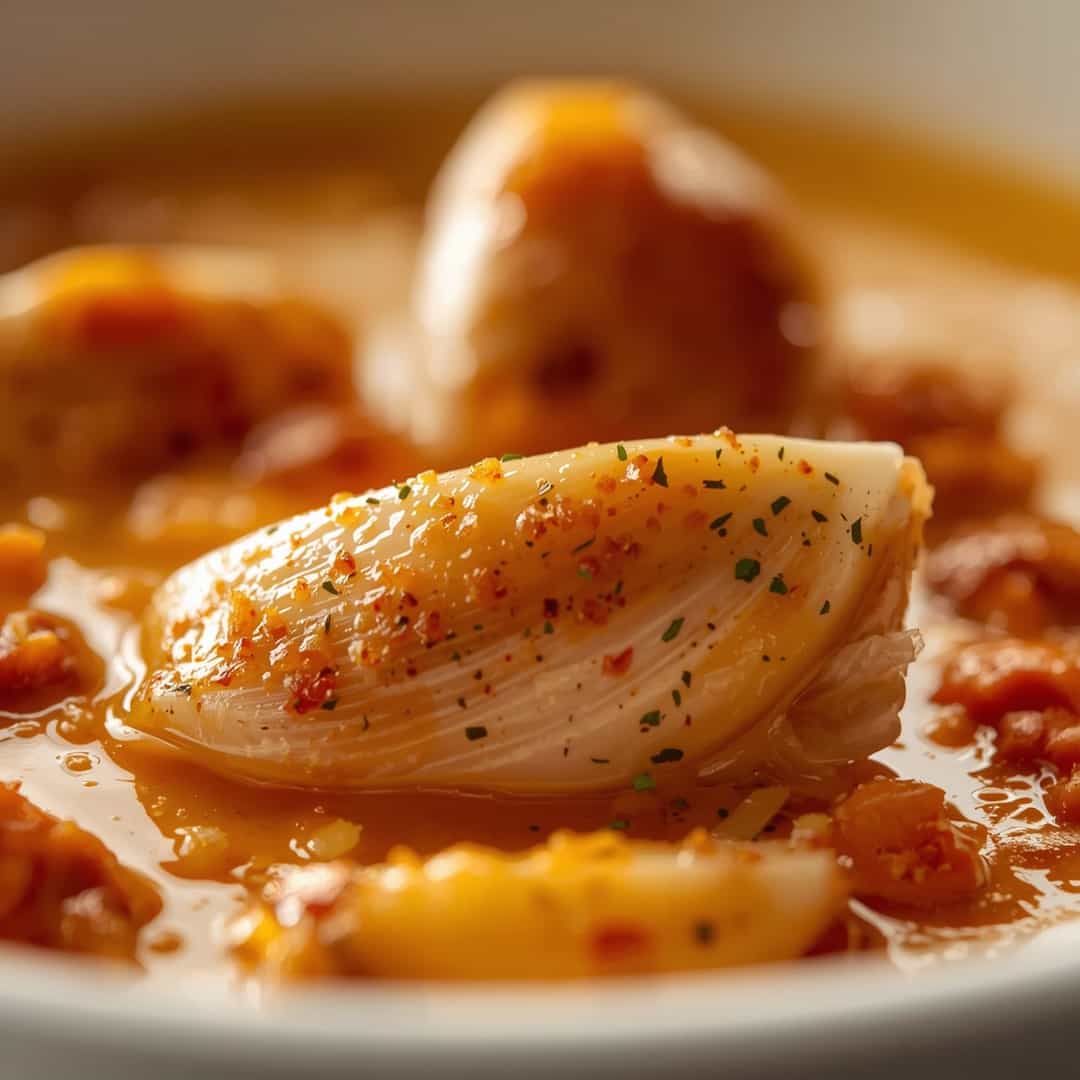
Canning Garlic
Ingredients
Equipment
Method
- Begin by separating the garlic bulbs into individual cloves. Do not peel the cloves at this stage; leave the papery skins intact. Trim off any excess roots or the very tips of the stems, but ensure the skins remain to protect the cloves.Fresh Garlic
- Wash your pint-sized canning jars, lids, and rings in hot, soapy water. Rinse thoroughly and place the jars upright in your canner or a large pot filled with water. Bring the water to a simmer and let the jars process for at least 10 minutes to sterilize them. Keep the jars hot until ready to fill. Wash the lids and rings and set them aside.
- In a medium saucepan, combine the white vinegar and water. Add the pickling or sea salt (and sugar, if using). Stir well to dissolve the salt. Bring the mixture to a boil over medium-high heat.4 cups White Vinegar, 4 cups Water, 2 tablespoons Salt, 1 tablespoon Sugar
- For a milder garlic flavor and easier peeling, you can blanch the prepared garlic cloves. Bring a separate pot of water to a rolling boil. Add the garlic cloves and boil for 1 minute. Immediately drain the garlic and rinse them under cold water. This step also helps to loosen the skins.Fresh Garlic
- Once blanched and cooled enough to handle, carefully peel the papery skins off each garlic clove. Discard the skins.Fresh Garlic
- Carefully place the peeled garlic cloves into the hot, sterilized pint jars. Pack them relatively tightly but avoid crushing them. You can add any optional flavorings like dill sprigs or red pepper flakes at this stage.Fresh Garlic, Optional Flavorings
- Pour the boiling vinegar and water solution over the garlic cloves in each jar, leaving about ½ inch of headspace (the space between the top of the liquid and the rim of the jar).4 cups White Vinegar, 4 cups Water
- Use a non-metallic utensil, such as a plastic spatula or chopstick, to gently run around the inside of the jars to release any trapped air bubbles. Add more brine if necessary to maintain the ½ inch headspace.4 cups White Vinegar, 4 cups Water
- Wipe the rims of the jars clean with a damp cloth. Center the flat lids on the jars and screw on the rings until just fingertip tight. Do not overtighten.
- Place the filled jars into your water bath canner, ensuring they are covered by at least 1-2 inches of water. Bring the water to a rolling boil. Once boiling, process the jars for 10 minutes for pint-sized jars (adjusting for altitude if necessary).
- Carefully remove the jars from the canner using jar lifters and place them on a towel-lined counter to cool completely. Do not tighten the rings. You may hear a “ping” as the lids seal. Allow to cool for 12-24 hours. Once cool, check that the lids have sealed by pressing down on the center. If the lid flexes up and down, it has not sealed and should be refrigerated and used within a few weeks. Remove the rings from sealed jars, wipe them clean, and store the jars without the rings to prevent rust.