

Are you looking for a delicious and rewarding way to preserve your garden’s bounty? This Canning Pickled Peppers recipe allows you to transform sweet bell peppers, fiery hot peppers, and tangy banana peppers into shelf-stable delights, perfect for adding a zesty kick to your meals all year round. Home-canned pickled peppers are a fantastic addition to everything from sandwiches and pizzas to salads and charcuterie boards.
Table of Contents
What is Canning Pickled Peppers?
Canning Pickled Peppers is the process of preserving peppers in a vinegar-based brine through heat processing in a water bath canner. This process not only adds a delightful tangy flavor but also ensures the peppers are safe to store at room temperature for months to come. You can use almost any type of pepper, adjusting the sweetness and heat levels to your preference. From mild banana peppers to scorching jalapenos, each variety offers a unique flavour profile to enjoy.
Pickling transforms these garden staples into versatile ingredients that can elevate any dish. So, why not try it yourself? Let’s get started and create a delicious and colourful array of canned peppers that will spice up your pantry and meals.
Key Ingredients for Canning Pickled Peppers:
- Peppers (5-6 lbs): A mix of bell peppers (red, yellow, green), hot peppers (jalapenos, serranos, habaneros), and banana peppers. Ensure they are fresh, firm, and free from blemishes. Wash, stem, and seed the peppers. Remove the pith from hot peppers for a milder flavour. You can leave some seeds in for extra heat if desired. Cut the bell peppers into strips and the banana peppers into rings. Depending on your preference you can leave your smaller hot peppers whole or cut them into slices.
- White Vinegar (5 cups, 5% acidity): The key to pickling. Use a good quality white vinegar with a known acidity level.
- Water (2 cups): Dilutes the vinegar and balances the flavour.
- Sugar (1 cup): Adds sweetness to balance the vinegar’s tang. Adjust to your preference, or use a sugar substitute.
- Pickling Salt (1/4 cup): Essential for preserving and flavouring the peppers. Do not substitute with iodized table salt.
- Garlic (6-8 cloves): Adds a pungent flavour. Peel and slightly crush the cloves before adding.
- Mustard Seeds (2 tablespoons): Provides a mild, slightly spicy flavour.
- Celery Seeds (2 tablespoons): Adds a subtle earthy flavour.
- Black Peppercorns (1 tablespoon): Provides a mild peppery bite.
- Dried Oregano (2 tablespoons): Adds an herbal flavour
- Optional: Red Pepper Flakes (1-2 teaspoons): For extra heat, especially if using milder peppers.
How to Make Canning Pickled Peppers:
This incredibly easy recipe will deliver delicious and flavourful pickled peppers that can be served out of the jar, or used in an array of recipes! It takes about 30 minutes of preparation, and about 30 minutes of cook time, but is definitely worth it in the end!
Step-by-Step Instructions:
- Prepare the Peppers: Thoroughly wash and dry your peppers. Wear gloves when handling hot peppers to avoid skin irritation. Stem and seed the peppers as needed. Cut bell peppers into strips, banana peppers into rings, and leave smaller hot peppers whole or sliced.
- Prepare the Brine: In a large stainless steel pot, combine the white vinegar, water, sugar, pickling salt, garlic, mustard seeds, celery seeds, black peppercorns, oregano, and red pepper flakes (if using). Bring the mixture to a boil over medium-high heat, stirring to dissolve the sugar and salt.
- Pack the Jars: While the brine is heating, prepare your canning jars. Wash jars, lids and bands in hot, soapy water. Rinse well. Place the jars on a rack in a simmering water bath canner, or in the oven at 200°F (93°C) to keep them hot. Keep the lids and bands in hot (not boiling) water until ready to use. Remove one hot jar at a time from the canner. Pack the prepared peppers tightly into the hot jars, leaving 1/2-inch headspace.
- Pour the Brine: Carefully pour the hot brine over the peppers in each jar, maintaining the 1/2-inch headspace. Remove any air bubbles by gently tapping the jars on a towel-lined surface or using a non-metallic utensil.
- Wipe the Rim and Seal: Wipe the jar rims clean with a damp cloth. Place a lid on each jar and screw on a band until fingertip tight—not too tight!
- Process in a Water Bath Canner: Lower the filled jars into the simmering water bath canner, ensuring the water covers the jars by at least 1 inch. Bring the water back to a rolling boil. Process pint jars for 10 minutes and quart jars for 15 minutes, adjusting for altitude according to canning guidelines (add 5 minutes for 1,001-3,000 feet above sea level, 10 minutes for 3,001-6,000 feet, 15 minutes for 6,001-8,000 feet, and 20 minutes for 8,001-10,000 feet.)
- Cool and Check Seals: Turn off the heat and let the jars sit in the water bath canner for 5 minutes before carefully removing them with a jar lifter. Place the jars on a towel-lined surface at least an inch apart, away from drafts. Do not tighten the bands. Let the jars cool completely for 12-24 hours.
- Check the Seals: After the jars have cooled, check the seals. The lids should be concave and not flex when pressed. If a jar didn’t seal, refrigerate it immediately and use the peppers within a few weeks.
- Label and Store: Remove the bands from the sealed jars. Wash the jars to remove any residue that may have seeped out during processing. Label the jars with the date and contents. Store in a cool, dark place for at least 2 weeks to allow the flavor to develop before enjoying.
Why You’ll Love This Canning Pickled Peppers
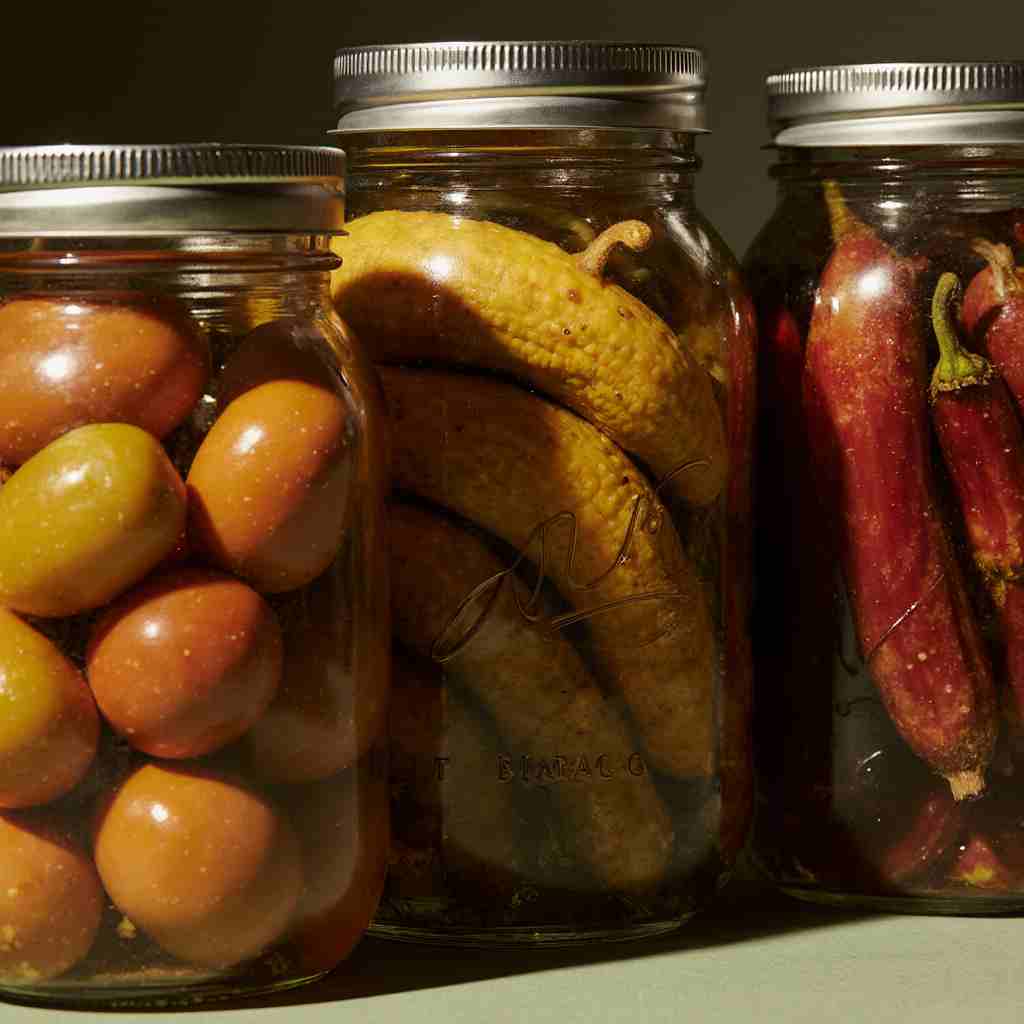
You’ll love canning your own peppers since it’s a fantastic way to capture the fresh flavours of your garden and preserve them for year-round enjoyment. The highlight of this recipe is the ability to customize the flavours to your preference. By using a variety of peppers, you can create a perfect balance of sweetness and heat.
Home-canning your own pickled peppers is also very cost-effective. You can often source peppers from your garden or local farmers markets for a fraction of the price compared to store-bought pickled peppers. This means you can enjoy high-quality, flavourful ingredients without breaking the bank.
Another great aspect of the recipe is the flexibility with the ingredients used to flavor this delicious condiment. The addition of garlic, mustard seeds, celery seeds, and black peppercorns creates a flavourful brine that complements the peppers perfectly. You can even add red pepper flakes for extra heat!
If you enjoy pickling, you might also like to try canning pickled beets. Canning your own vegetables is a fantastic way to preserve the harvest and enjoy delicious, homemade goods all year round. So, get started today and explore the world of canning.
What to Serve Canning Pickled Peppers With:
- Sandwiches and Wraps: Add a tangy kick to your sandwiches, wraps, and subs.
- Pizzas and Flatbreads: Top your pizzas and flatbreads with pickled peppers for a burst of flavour.
- Salads: Incorporate pickled peppers into salads alongside grilled chicken, feta cheese, and a light vinaigrette.
- Charcuterie Boards: Serve alongside cheeses, cured meats, and crackers for a flavourful appetizer.
- Tacos and Burritos: Add a spicy and tangy element to your tacos and burritos.
Top Tips for Perfecting Canning Pickled Peppers:
- Use Fresh Peppers: For the best flavour and texture, always use fresh, high-quality peppers.
- Wear Gloves: Protect your skin from the oils in hot peppers by wearing gloves during preparation.
- Adjust Sweetness and Heat: Adjust the amount of sugar and the type of peppers to suit your taste preferences.
- Ensure Proper Headspace: Maintaining the correct headspace is crucial for proper jar sealing.
- Process According to Guidelines: Follow the processing times and altitude adjustments to ensure the safety of your canned peppers. Overprocessing can lead to mushy textures where as under processing can lead to improperly sealed jars.
- Allow Flavor Development: Let the pickled peppers sit for at least 2 weeks before enjoying to allow the flavours to meld and develop fully.
- Check Seals Carefully: Check seals 12-24 hours after processing because this ensures the jars have properly sealed. Press down on the center of the lid. If it doesn’t flex or pop, it’s sealed.
Health Benefits of Canning Pickled Peppers:
Pickled peppers, while primarily enjoyed for their flavour, offer some health benefits as well. Peppers, especially hot varieties, contain capsaicin, which can boost metabolism and have anti-inflammatory properties. The fermentation process in pickling can promote beneficial gut bacteria, although this effect is minimal due to the vinegar and heat processing in canning.
Additionally, pickled peppers are low in calories and can add a flavorful, low-calorie addition to your meals. However, be mindful of the sodium content, which can be higher due to the added salt.
Storing and Reheating Tips:
- Storing: Properly canned and sealed pickled peppers can be stored in a cool, dark, and dry place (like a pantry or cellar) for up to one year. Once opened, store the jar in the refrigerator and consume within a few weeks.
- Reheating: Pickled peppers are typically eaten cold, so there’s no need to reheat them. If you’re using them in a cooked dish, simply add them towards the end of the cooking process to preserve their texture and flavour.
- Freezing: Do not freeze canned pickled peppers. Freezing can cause the peppers to become mushy and lose their texture. The jars can also shatter during the freezing process.
Final Thoughts:
Canning Pickled Peppers is a simple yet incredibly rewarding process that allows you to preserve the flavours of your garden and enjoy delicious, tangy peppers all year round. With a few basic ingredients and the right equipment, you can create a pantry filled with homemade goodness that will add a zesty kick to your meals. Enjoy!
Read more :
- Canning Corn on the Cob
- Canning Vegetable Soup
- Pickled Mixed Vegetables (Giardiniera)
- Canning Vegetable Stock
- Pressure Canning Green Beans
- our Pinterest
Canning Pickled Peppers FAQs:
Q: What type of vinegar should I use?
A: Always use white vinegar with 5% acidity for pickling. This ensures the peppers are properly preserved and safe to eat.
Q: Can I use different types of peppers?
A: Yes! Feel free to use a variety of peppers, such as bell peppers, banana peppers, jalapeños, and serranos, to create your desired flavour profile.
Q: Can I reduce the amount of sugar?
A: Yes, you can adjust the amount of sugar to your preference. However, keep in mind that sugar not only adds sweetness but also helps balance the acidity of the vinegar.
Q: Do I need to use pickling salt?
A: Pickling salt is recommended because it doesn’t contain iodine or anti-caking agents, which can darken the peppers and cloud the brine. If you must use table salt, use less than the amount stated for pickling salt.
Q: How long do I need to wait before eating the pickled peppers?
A: It’s best to wait at least 2 weeks before eating the pickled peppers to allow the flavours to meld and develop fully.