
Canning potatoes easy is a fantastic way to ensure you always have a pantry staple ready for delicious meals. This guide will walk you through the simple process of canning your own potatoes, saving you time and money in the long run.
Key Ingredients for Easy Canned Potatoes:
- 4-5 pounds of fresh potatoes (Russets, Yukon Golds, or red potatoes work well)
- Water for blanching and filling jars
- Optional: 1 teaspoon citric acid per quart jar, or 1/4 teaspoon per pint jar (to help maintain color and texture)
- New canning lids and jar rings
- Clean canning jars (quart or pint size recommended)
How to Make Easy Canned Potatoes:
This recipe for canning potatoes easy is designed for ultimate simplicity and pantry readiness. You’ll be amazed at how delicious and satisfying these perfectly preserved potatoes are, ready to be transformed into mashed potatoes, roasted sides, or hearty stews in mere minutes. The preparation time is minimal, focusing on straightforward steps that yield impressive results.
Step-by-Step Instructions
Prepare Your Potatoes: Begin by thoroughly washing your potatoes to remove any dirt. You can peel them if you prefer a smoother texture, or leave the skins on for a more rustic feel and added nutrients. Cut the potatoes into uniform pieces, about 1-inch cubes for optimal and consistent canning.
Blanch the Potatoes: Bring a large pot of water to a rolling boil. Carefully add the potato cubes to the boiling water. Blanch the potatoes for 2 minutes. This rapid boiling helps to deactivate enzymes that can cause spoilage and helps to firm up the potatoes slightly.
Prepare Your Jars and Lids: While the potatoes are blanching, ensure your canning jars are clean and sterilized. You can do this by running them through a hot dishwasher cycle or by boiling them in water for 10 minutes. Warm your new canning lids according to the manufacturer’s instructions.
Pack the Jars: Once blanched, drain the potatoes thoroughly. Hot-pack your potato cubes into the sterilized, warm jars, leaving about 1-inch of headspace at the top. Do not pack them too tightly, as this can prevent proper heat penetration during processing.
Add Acid (Optional but Recommended): If you are using citric acid, stir 1 teaspoon into the hot water you’ll use for filling the jars, or add it directly to each jar (1 teaspoon per quart, 1/4 teaspoon per pint) now, before adding the hot water. This helps prevent discoloration and preserves the potato’s texture.
Add Hot Water: Ladle hot, boiling water over the potatoes in each jar, maintaining the 1-inch headspace. Use a non-metallic utensil (like a plastic chopstick or skewer) to remove any air bubbles trapped between the potatoes. Adjust the water level if necessary to maintain headspace.
Wipe Rims and Apply Lids: Carefully wipe the rims of the jars with a clean, damp cloth to remove any residue, which can prevent a proper seal. Place the heated canning lids onto the jars. Screw on the jar rings finger-tight.
Process in a Pressure Canner: This is the crucial step for safely canning low-acid foods like potatoes. Place the filled jars into a pressure canner, ensuring you follow your canner’s specific instructions for loading and water levels. Process quart jars at 10 pounds of pressure for 35 minutes, and pint jars at 10 pounds of pressure for 30 minutes (adjusting pressure for altitudes above 1,000 feet as per your canner’s manual).
Cool and Inspect: Once the processing time is complete, turn off the heat and let the pressure naturally release. Do not force this process. Once the pressure gauge reads zero, carefully remove the canner lid and let the jars sit for an additional 5-10 minutes before removing them. Place the jars on a towel-lined counter, spaced apart, and allow them to cool undisturbed for 12-24 hours. You’ll know they’ve sealed properly when the lids are concave and don’t flex when pressed.
Why You’ll Love Easy Canned Potatoes:
You’ll adore these easy canned potatoes for their incredible versatility and the sheer convenience they bring to your kitchen. Imagine the delight of having perfectly cooked potato cubes ready to be mashed, roasted, or added to your favorite soup or stew with minimal effort, just like having the convenience of pre-cooked pasta, but for potatoes! This cost-effective method allows you to stock your pantry with a foundational ingredient at a fraction of the price of store-bought alternatives, all while ensuring you have a healthy, wholesome option on hand. The subtle sweetness and tender bite of these home-canned potatoes are truly special and will elevate even the simplest of meals.
Say goodbye to last-minute grocery runs for potatoes and hello to pantry perfection! These easy canned potatoes are not only a smart financial choice but also a testament to your self-sufficiency in the kitchen. They stand beautifully on their own as a simple side dish, or they’re the perfect blank canvas for your culinary creativity, ready to absorb the flavors of butter, herbs, or a rich gravy. So, why not give this rewarding canning project a try and transform your pantry into a source of delicious convenience?
Storing and Reheating Tips:
Properly stored, your easy canned potatoes will remain fresh and delicious for up to 12-18 months. Keep the sealed jars in a cool, dark, and dry place, such as a pantry or basement. Avoid storing them in extreme temperatures or direct sunlight, as this can compromise the seal and the quality of the potatoes. Before using, always check for a good seal by pressing the center of the lid. If the lid flexes, or if there are any signs of spoilage (off-odor, mold, or bubbling), discard the jar immediately.
To reheat your canned potatoes, simply open the jar and drain any liquid. You can then add them to your recipe of choice, whether it’s simmering them in a stew, pan-frying them with a bit of oil, or mashing them. For a quick reheat, you can gently warm them in a saucepan with a tablespoon of butter or oil over medium heat until heated through. If you have a large quantity, you can transfer them to an oven-safe dish and warm them in a 350°F (175°C) oven for about 10-15 minutes.
Frozen Potatoes: While this guide focuses on canning, if you have extra blanched and cooled potatoes that you won’t be canning immediately, you can freeze them. Spread them in a single layer on a baking sheet and freeze until solid. Then, transfer them to freezer bags or containers. Frozen potatoes are best used within 6-8 months for optimal quality and are typically best suited for cooked dishes like stews or casseroles due to texture changes.
Final Thoughts:
Canning potatoes easy is a wonderfully achievable project that fills your pantry with a versatile and wholesome ingredient. Give this method a go and enjoy the satisfaction of homemade preserved goodness!
Read more :
- Canning Corn on the Cob
- Canning Vegetable Soup
- Pickled Mixed Vegetables (Giardiniera)
- Canning Vegetable Stock
- Pressure Canning Green Beans
- our Pinterest
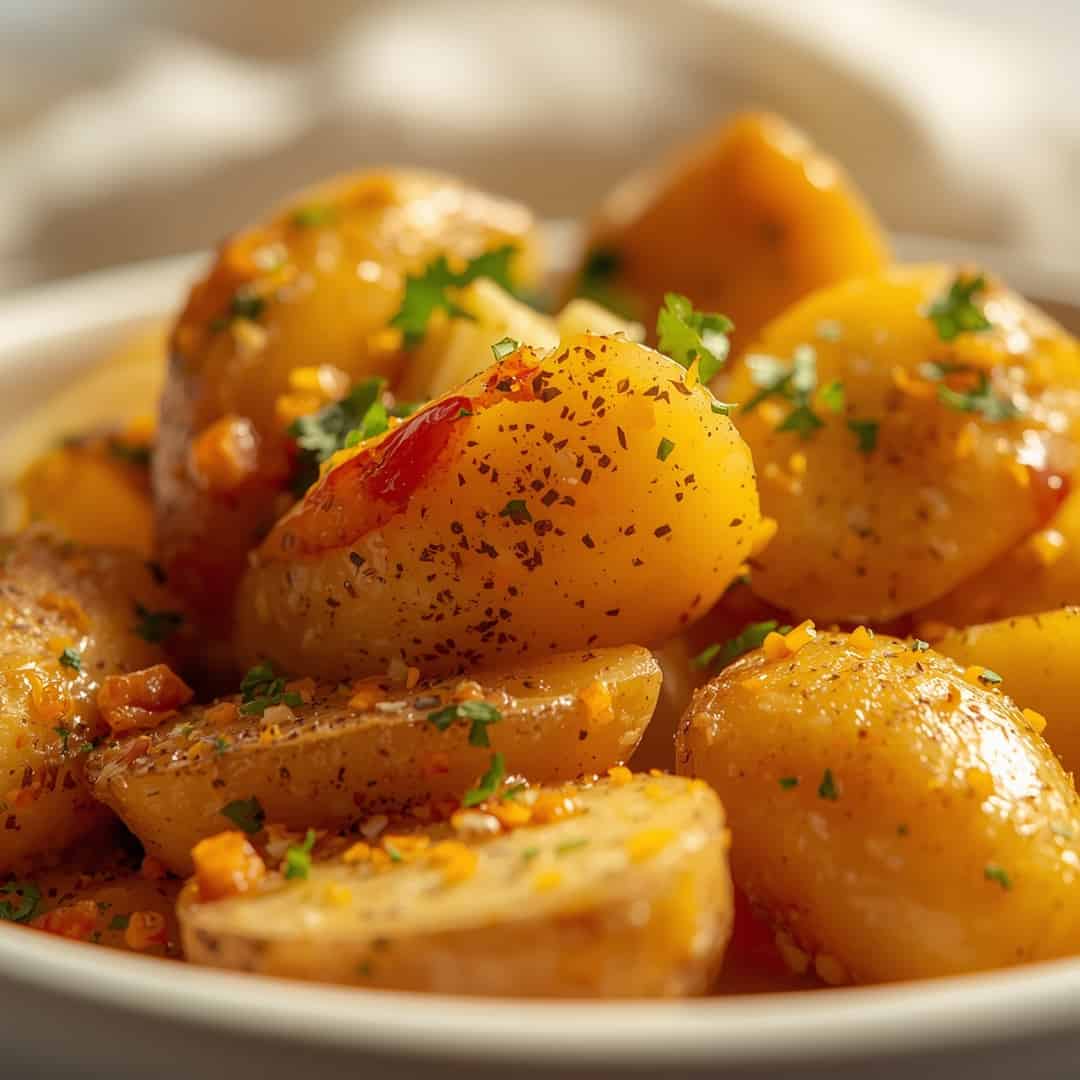
Easy Canned Potatoes
Ingredients
Equipment
Method
- Begin by thoroughly washing your potatoes to remove any dirt. You can peel them if you prefer a smoother texture, or leave the skins on for a more rustic feel and added nutrients. Cut the potatoes into uniform pieces, about 1-inch cubes for optimal and consistent canning.4-5 pounds fresh potatoes (Russets, Yukon Golds, or red potatoes)
- Bring a large pot of water to a rolling boil. Carefully add the potato cubes to the boiling water. Blanch the potatoes for 2 minutes. This rapid boiling helps to deactivate enzymes that can cause spoilage and helps to firm up the potatoes slightly.4-5 pounds fresh potatoes (Russets, Yukon Golds, or red potatoes), Water for blanching and filling jars
- While the potatoes are blanching, ensure your canning jars are clean and sterilized. You can do this by running them through a hot dishwasher cycle or by boiling them in water for 10 minutes. Warm your new canning lids according to the manufacturer’s instructions.Clean canning jars (quart or pint size), New canning lids and jar rings
- Once blanched, drain the potatoes thoroughly. Hot-pack your potato cubes into the sterilized, warm jars, leaving about 1-inch of headspace at the top. Do not pack them too tightly, as this can prevent proper heat penetration during processing.4-5 pounds fresh potatoes (Russets, Yukon Golds, or red potatoes), Clean canning jars (quart or pint size)
- If you are using citric acid, stir 1 teaspoon into the hot water you’ll use for filling the jars, or add it directly to each jar (1 teaspoon per quart, 1/4 teaspoon per pint) now, before adding the hot water. This helps prevent discoloration and preserves the potato’s texture.1 teaspoon citric acid per quart jar (optional), Water for blanching and filling jars
- Ladle hot, boiling water over the potatoes in each jar, maintaining the 1-inch headspace. Use a non-metallic utensil (like a plastic chopstick or skewer) to remove any air bubbles trapped between the potatoes. Adjust the water level if necessary to maintain headspace.Water for blanching and filling jars
- Carefully wipe the rims of the jars with a clean, damp cloth to remove any residue, which can prevent a proper seal. Place the heated canning lids onto the jars. Screw on the jar rings finger-tight.New canning lids and jar rings, Clean canning jars (quart or pint size)
- This is the crucial step for safely canning low-acid foods like potatoes. Place the filled jars into a pressure canner, ensuring you follow your canner’s specific instructions for loading and water levels. Process quart jars at 10 pounds of pressure for 35 minutes, and pint jars at 10 pounds of pressure for 30 minutes (adjusting pressure for altitudes above 1,000 feet as per your canner’s manual).Clean canning jars (quart or pint size)
- Once the processing time is complete, turn off the heat and let the pressure naturally release. Do not force this process. Once the pressure gauge reads zero, carefully remove the canner lid and let the jars sit for an additional 5-10 minutes before removing them. Place the jars on a towel-lined counter, spaced apart, and allow them to cool undisturbed for 12-24 hours. You’ll know they’ve sealed properly when the lids are concave and don’t flex when pressed.