
Creating Dandelion Jelly without Pectin offers a wonderfully simple and rewarding way to capture the ephemeral sweetness of spring. This recipe is particularly useful for those seeking a natural, pectin-free spread that’s both delicious and easy to make.
Key Ingredients for Dandelion Jelly without Pectin
To create this delightful Dandelion Jelly without Pectin, you will need the following carefully selected ingredients:
- Fresh Dandelion Flowers: Approximately 4 cups of tightly packed dandelion florets. It’s crucial to gather these from areas that are free from pesticides and other harmful chemicals, ideally wild areas or your own garden. For best flavor, collect them on a sunny morning after the dew has dried. You’ll need to remove the yellow petals from the green sepals, as the green parts can impart a bitter taste to the jelly.
- Water: 4 cups of filtered or natural spring water. Using good quality water will contribute to a cleaner, purer flavor in your final jelly.
- Granulated Sugar: 3 cups. This is the primary sweetener and also aids in the setting of the jelly. You can adjust this slightly based on your preference for sweetness, but keep in mind that sugar is essential for preservation and texture.
- Lemon Juice: 1/2 cup, freshly squeezed. The acidity from the lemon juice is vital for achieving a good set, acting as a natural acidifier that helps the pectin naturally present in the dandelions to gel. It also adds a bright, fresh flavor that perfectly complements the floral notes of the dandelion.
- Optional: Citric Acid: 1/2 teaspoon (if you want an extra boost for setting or a tangier flavor). While lemon juice is usually sufficient, a small amount of citric acid can ensure a firmer set, especially if your dandelions are less potent or if you prefer a sharper taste.
How to Make Dandelion Jelly without Pectin
This Dandelion Jelly without Pectin recipe is celebrated for its surprisingly straightforward preparation, delivering a delightful floral sweetness with a satisfying, slightly firm texture. The magic lies in harnessing the natural gelling properties of the dandelions, enhanced by the acidity of lemon juice, creating a beautiful emerald-hued jelly without the need for artificial thickeners. Expect to spend about 30 minutes on active preparation, followed by several hours for cooling and setting.
Step-by-Step Instructions
- Prepare the Dandelion Flowers: Begin by collecting approximately 4 cups of dandelion florets. Gently rinse them under cool water to remove any debris or insects. The most critical step here is to carefully remove the yellow petals from the green sepals. You can do this by pinching the base of the flower and pulling the petals away, or by using your fingers to gently strip the petals. Discard the green parts as they can make your jelly bitter. Aim for just the bright yellow petals.
- Steep the Dandelion Petals: Place the prepared dandelion petals into a large, non-reactive pot or heatproof bowl. Pour 4 cups of filtered water over the petals. Cover the pot or bowl and let it steep for at least 4 hours, or preferably overnight, in a cool place. This steeping process allows the floral flavor and natural color of the dandelions to infuse into the water.
- Strain the Dandelion Infusion: After steeping, strain the liquid through a fine-mesh sieve lined with cheesecloth into another clean pot. Gently press the dandelion petals to extract as much liquid as possible, but be careful not to press too hard, as this can also release bitter compounds. You should end up with a fragrant, golden-yellow liquid. Discard the steeped dandelion petals.
- Combine Ingredients for Jelly: Add 3 cups of granulated sugar and 1/2 cup of fresh lemon juice to the strained dandelion infusion in the pot. If using, add 1/2 teaspoon of citric acid at this stage. Stir everything together until the sugar begins to dissolve.
- Cook the Jelly Mixture: Place the pot over medium-high heat. Bring the mixture to a rolling boil, stirring constantly to ensure the sugar dissolves completely and doesn’t scorch at the bottom.
- Boil to Setting Point: Once boiling, continue to boil the mixture uncovered, stirring occasionally. This boiling process concentrates the liquid and allows the natural pectin to activate and set the jelly. The mixture will start to thicken. To test for the setting point, you can perform the “wrinkle test”: dip a cold spoon into the boiling jelly and let it drip off. If the drops are thick and form a skin or wrinkle on the spoon’s surface, it’s ready. Another method is to place a small amount of jelly onto a chilled plate; if it gels and wrinkles when you push it with your finger, it’s set. This usually takes about 15-25 minutes of boiling, depending on your stove and the potency of the dandelions.
- Skim and Jar the Jelly: Once the jelly has reached its setting point, carefully skim off any foam that has risen to the surface using a spoon. Ladle the hot jelly immediately into clean, sterilized jars. Ensure you leave about 1/4 inch of headspace at the top of each jar.
- Process or Cool the Jars:
- For Shelf-Stable Jelly: If you want to store the jelly at room temperature, you’ll need to process the filled jars in a boiling water bath for about 10 minutes. Make sure the jars are covered by at least an inch of water.
- For Refrigerator Storage: If you plan to consume the jelly within a few weeks, you can simply let the filled jars cool on the counter until they reach room temperature. Once cooled, seal them tightly with their lids and store them in the refrigerator. This method is simpler and quicker if you have a well-stocked refrigerator.
- Allow to Set: Let the jars sit undisturbed for at least 12-24 hours to allow the Dandelion Jelly without Pectin to fully set. You will notice it firming up into a beautiful, translucent jelly.
Why You’ll Love This Dandelion Jelly without Pectin
You’ll absolutely adore this Dandelion Jelly without Pectin for its stunningly delicate floral flavor, a true taste of spring captured in a jar. Unlike store-bought jellies that often rely on commercial pectin for texture, this homemade version harnesses the subtle natural gelling agents within the dandelion flowers themselves, creating a delightful, slightly softer set that melts beautifully on your toast or scone. The significant advantage of making this at home is the remarkable cost savings – using abundant, free dandelion flowers means you’re essentially paying for only sugar and lemon juice, a fraction of the price of artisanal jellies.
Imagine spreading this golden-hued jewel on a warm, buttery biscuit or a slice of freshly baked bread; its unique sweetness is unparalleled. It’s a far cry from the often one-dimensional sweetness of standard grape jelly, offering a more nuanced and sophisticated flavor profile that’s both refreshing and comforting. Don’t just take our word for it; experience the magic of this easy, cost-effective, and incredibly flavorful Dandelion Jelly without Pectin for yourself. Give it a try this spring, and you’ll wonder why you ever bought jelly before!
Storing and Reheating Tips
Proper storage is key to enjoying your homemade Dandelion Jelly without Pectin for as long as possible.
- Refrigerator Storage: Once the jars have cooled completely (if not water-bath processed), seal them tightly with their lids and store them in the refrigerator. Unopened jars processed via water bath will remain shelf-stable for up to a year. Opened jars, regardless of processing method, should be stored in the refrigerator and will typically stay fresh for 3-4 weeks. Always check for signs of spoilage like mold or an off odor before consuming.
- Freezing: While not typically recommended for jelly as the texture can change upon thawing, if you have an excess and wish to preserve it longer, you can freeze it. Ensure you use freezer-safe containers and leave ample headspace (at least 1 inch) for expansion. Thawed jelly may be softer but should still retain its flavor for up to 6 months. Reheating is generally not necessary for jelly, as it’s meant to be served cold or at room temperature.
Final Thoughts
This Dandelion Jelly without Pectin is a testament to the simple beauty of nature, offering a unique and delicious spread with minimal effort and cost. We wholeheartedly encourage you to try this delightful recipe at home and experience its delightful floral sweetness firsthand.
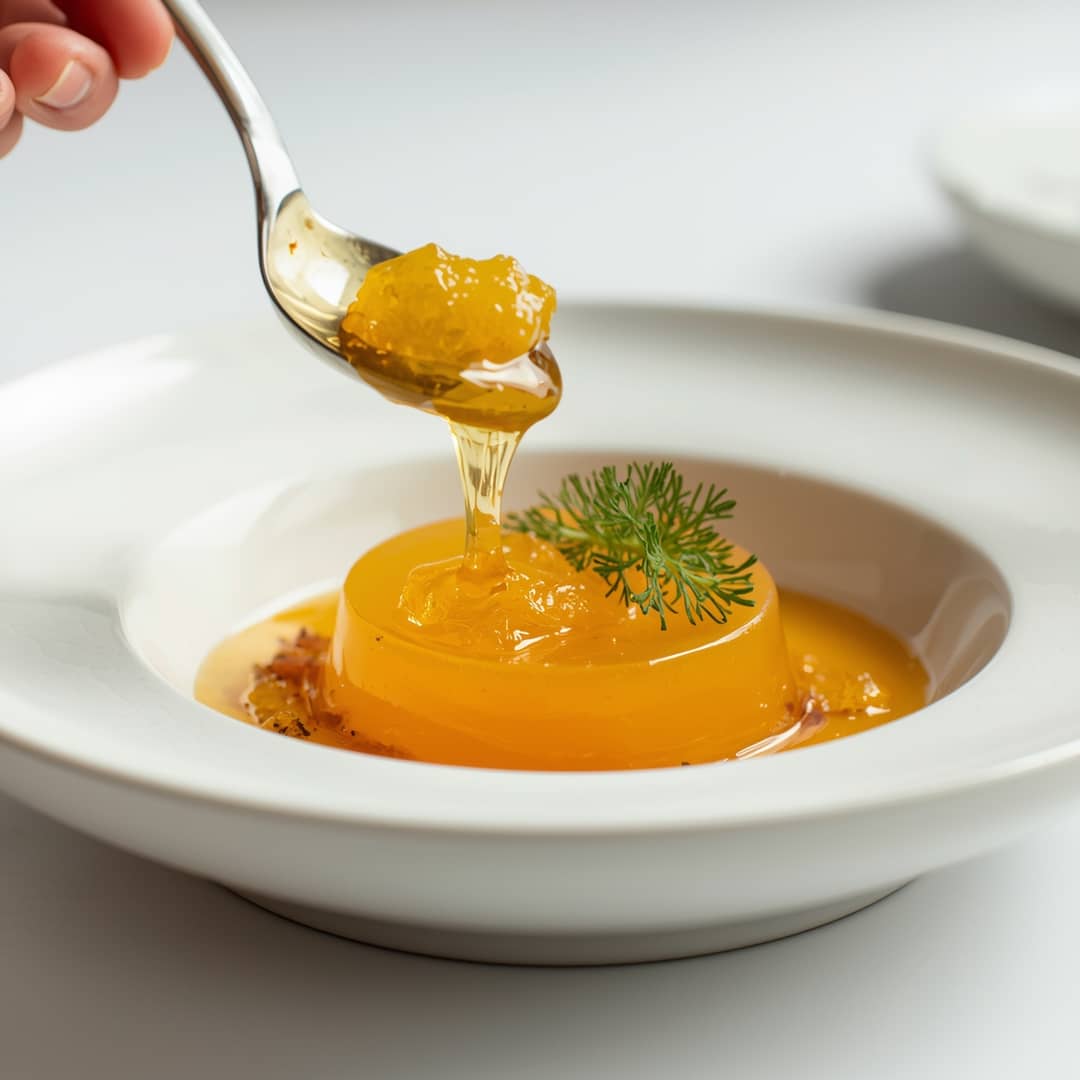
Dandelion Jelly without Pectin
Ingredients
Equipment
Method
- Begin by collecting approximately 4 cups of dandelion florets. Gently rinse them under cool water to remove any debris or insects. The most critical step here is to carefully remove the yellow petals from the green sepals. You can do this by pinching the base of the flower and pulling the petals away, or by using your fingers to gently strip the petals. Discard the green parts as they can make your jelly bitter. Aim for just the bright yellow petals.4 cups tightly packed dandelion florets
- Place the prepared dandelion petals into a large, non-reactive pot or heatproof bowl. Pour 4 cups of filtered water over the petals. Cover the pot or bowl and let it steep for at least 4 hours, or preferably overnight, in a cool place. This steeping process allows the floral flavor and natural color of the dandelions to infuse into the water.4 cups filtered or natural spring water, 4 cups tightly packed dandelion florets
- After steeping, strain the liquid through a fine-mesh sieve lined with cheesecloth into another clean pot. Gently press the dandelion petals to extract as much liquid as possible, but be careful not to press too hard, as this can also release bitter compounds. You should end up with a fragrant, golden-yellow liquid. Discard the steeped dandelion petals.
- Add 3 cups of granulated sugar and 1/2 cup of fresh lemon juice to the strained dandelion infusion in the pot. If using, add 1/2 teaspoon of citric acid at this stage. Stir everything together until the sugar begins to dissolve.3 cups granulated sugar, 1/2 cup freshly squeezed lemon juice, 1/2 teaspoon citric acid
- Place the pot over medium-high heat. Bring the mixture to a rolling boil, stirring constantly to ensure the sugar dissolves completely and doesn’t scorch at the bottom.
- Once boiling, continue to boil the mixture uncovered, stirring occasionally. This boiling process concentrates the liquid and allows the natural pectin to activate and set the jelly. The mixture will start to thicken. To test for the setting point, you can perform the “wrinkle test”: dip a cold spoon into the boiling jelly and let it drip off. If the drops are thick and form a skin or wrinkle on the spoon’s surface, it’s ready. Another method is to place a small amount of jelly onto a chilled plate; if it gels and wrinkles when you push it with your finger, it’s set. This usually takes about 15-25 minutes of boiling, depending on your stove and the potency of the dandelions.
- Once the jelly has reached its setting point, carefully skim off any foam that has risen to the surface using a spoon. Ladle the hot jelly immediately into clean, sterilized jars. Ensure you leave about 1/4 inch of headspace at the top of each jar.
- For Shelf-Stable Jelly: If you want to store the jelly at room temperature, you’ll need to process the filled jars in a boiling water bath for about 10 minutes. Make sure the jars are covered by at least an inch of water.
For Refrigerator Storage: If you plan to consume the jelly within a few weeks, you can simply let the filled jars cool on the counter until they reach room temperature. Once cooled, seal them tightly with their lids and store them in the refrigerator. This method is simpler and quicker if you have a well-stocked refrigerator. - Let the jars sit undisturbed for at least 12-24 hours to allow the Dandelion Jelly without Pectin to fully set. You will notice it firming up into a beautiful, translucent jelly.