
Embrace the satisfying crunch of homemade pickles with this comprehensive dill pickle canning guide. Preserve the vibrant flavor of fresh cucumbers and an intoxicating dill-pickle aroma to enjoy all year round, making this an incredibly useful skill for any kitchen.
Key Ingredients for Dill Pickle Canning
- Cucumbers: 5 pounds Kirby or pickling cucumbers, firm and fresh, from 3 to 5 inches long. Wash thoroughly and trim off the blossom end (this contains an enzyme that can make pickles soft).
- Water: 7 cups, filtered or spring water is recommended for the best flavor.
- White Vinegar: 3 cups, 5% acidity. This is crucial for preservation.
- Pickling Salt: ½ cup. Do not use iodized table salt, as it can cloud your brine and affect the flavor.
- Fresh Dill: 6 to 8 heads of fresh dill, or 2 tablespoons of dried dill weed per jar. If using fresh heads, ensure they are clean.
- Garlic: 24 cloves, peeled and smashed lightly.
- Whole Black Peppercorns: 1 teaspoon per jar.
- Mustard Seeds: 1 teaspoon per jar.
- Red Pepper Flakes (Optional): ¼ teaspoon per jar for a touch of heat.
- Grape Leaves or Pickle Crisp (Optional): Adds extra crispness. You can add one grape leaf per jar or a pinch of Pickle Crisp.
How to Make Dill Pickle Canning
This dill pickle canning process is surprisingly simple, yielding incredibly crisp and flavorful pickles that far surpass anything store-bought. Get ready for a delicious reward for minimal effort. The delicious satisfaction comes from the perfect balance of tangy brine and fresh dill, creating a truly craveable snack and condiment. Preparation time for canning is approximately 45 minutes to an hour, not including cooling time.
Step-by-Step Instructions
- Prepare Your Jars and Lids: Wash 7 pint-sized or 4 quart-sized canning jars thoroughly with hot, soapy water. Rinse well. Place the lids and rings in a small saucepan, cover with water, and heat gently (do not boil). Keep them warm until ready to use. Sterilize your jars by running them through a dishwasher cycle or by placing them in a large pot, covering them with water, and boiling for 10 minutes. Keep them hot.
- Make the Brine: In a large non-reactive pot (stainless steel or enamel), combine the water, white vinegar, and pickling salt. Stir until the salt is completely dissolved. Bring the mixture to a rolling boil over medium-high heat. Once boiling, reduce the heat slightly to maintain a simmer.
- Prepare the Cucumbers: Wash your cucumbers thoroughly. Trim off the blossom end of each cucumber. You can leave them whole if they are small, or cut them into spears or slices for faster pickling and easier packing.
- Pack the Jars: For each pint jar, place 2-3 smashed garlic cloves, 1 teaspoon of peppercorns, 1 teaspoon of mustard seeds, and ¼ teaspoon of red pepper flakes (if using) at the bottom. Add a head of fresh dill on top of the spices, or sprinkle in dried dill weed. Pack the cucumbers tightly into the jars, leaving about ½ inch of headspace at the top. If using, tuck in a grape leaf or sprinkle in Pickle Crisp.
- Fill Jars with Brine: Carefully ladle the hot brine into the jars, ensuring the cucumbers and spices are covered. Maintain the ½ inch headspace. Remove any air bubbles by gently sliding a non-metallic utensil (like a chopstick or plastic spatula) down the sides of the jar. Add more brine if needed to maintain headspace.
- Wipe Rims and Apply Lids: Wipe the rims of the jars thoroughly with a clean, damp cloth to remove any residue. This is crucial for creating a proper seal. Center the flat lids on the jars and screw on the rings until fingertip-tight. Do not overtighten.
- Process in a Water Bath Canner: Place the filled jars on the rack in your water bath canner. Ensure the jars are at least an inch apart and do not touch each other. Fill the canner with hot water until the jar rims are covered by at least 1 inch of water. Bring the water to a rolling boil. Once boiling, start your processing time: 10 minutes for pint jars, or 15 minutes for quart jars (adjusting for altitude if necessary – add 1 minute for every 1,000 feet above sea level).
- Cool and Check Seals: After processing, turn off the heat and carefully remove the canner lid. Let the jars sit in the hot water for 5 minutes before removing them with a jar lifter. Place the jars on a towel-lined counter, leaving at least an inch of space between them. Let them cool undisturbed for 12-24 hours. You will hear popping sounds as the lids seal.
- Store Your Pickles: Once completely cooled, check for proper seals. The center of the lid should be concave and should not flex when pressed. Remove the rings (which can rust), wipe down the jars, and store them in a cool, dark place.
Why You’ll Love This Dill Pickle Canning
You’ll absolutely adore the vibrant, tangy, and incredibly satisfying crunch of these homemade dill pickles. Making dill pickle canning at home is not just about preserving a delicious food item; it’s a rewarding and cost-effective way to stock your pantry with a versatile condiment that elevates countless meals. Unlike bland store-bought options, these pickles burst with fresh dill, pungent garlic, and a perfectly balanced brine, offering a more intense and complex flavor profile that will have you reaching for them again and again.
Beyond the exceptional taste, the true magic lies in the savings. Imagine the joy of knowing you can enjoy these gourmet pickles all year without the recurring expense of purchasing them. This recipe allows you to control the ingredients, ensuring a fresh, healthy, and flavorful snack. So, why not dive into the fulfilling world of dill pickle canning and experience the pleasure of perfectly preserved, mouthwatering dill pickles that are ready to be munched on or chopped into your favorite dishes?
Storing and Reheating Tips
Properly stored dill pickle canning creations will last for at least 12 months, often longer, in a cool, dark pantry. Ensure all jars have a proper seal. If a jar fails to seal, refrigerate it immediately and consume within 3-4 weeks.
- Storage: Store sealed jars in a cool (50-70°F), dark, and dry place away from direct sunlight and heat sources.
- Checking Seals: Before opening, always check that the lid is still concave and has not popped up, indicating a broken seal. Discard any jars with compromised seals.
- Reheating: Dill pickles are a preserved food and are not typically reheated. They are best enjoyed cold or at room temperature.
- Freezing: Freezing is not recommended for whole or sliced dill pickles as it can significantly alter their texture, making them mushy and unappealing upon thawing.
Final Thoughts
This dill pickle canning guide offers a gateway to delicious, homemade pickles that are both economical and incredibly satisfying. Embrace the culinary adventure and enjoy the crisp, tangy fruits of your labor all year long.
Read more :
- Canning Corn on the Cob
- Canning Vegetable Soup
- Pickled Mixed Vegetables (Giardiniera)
- Canning Vegetable Stock
- Pressure Canning Green Beans
- our Pinterest
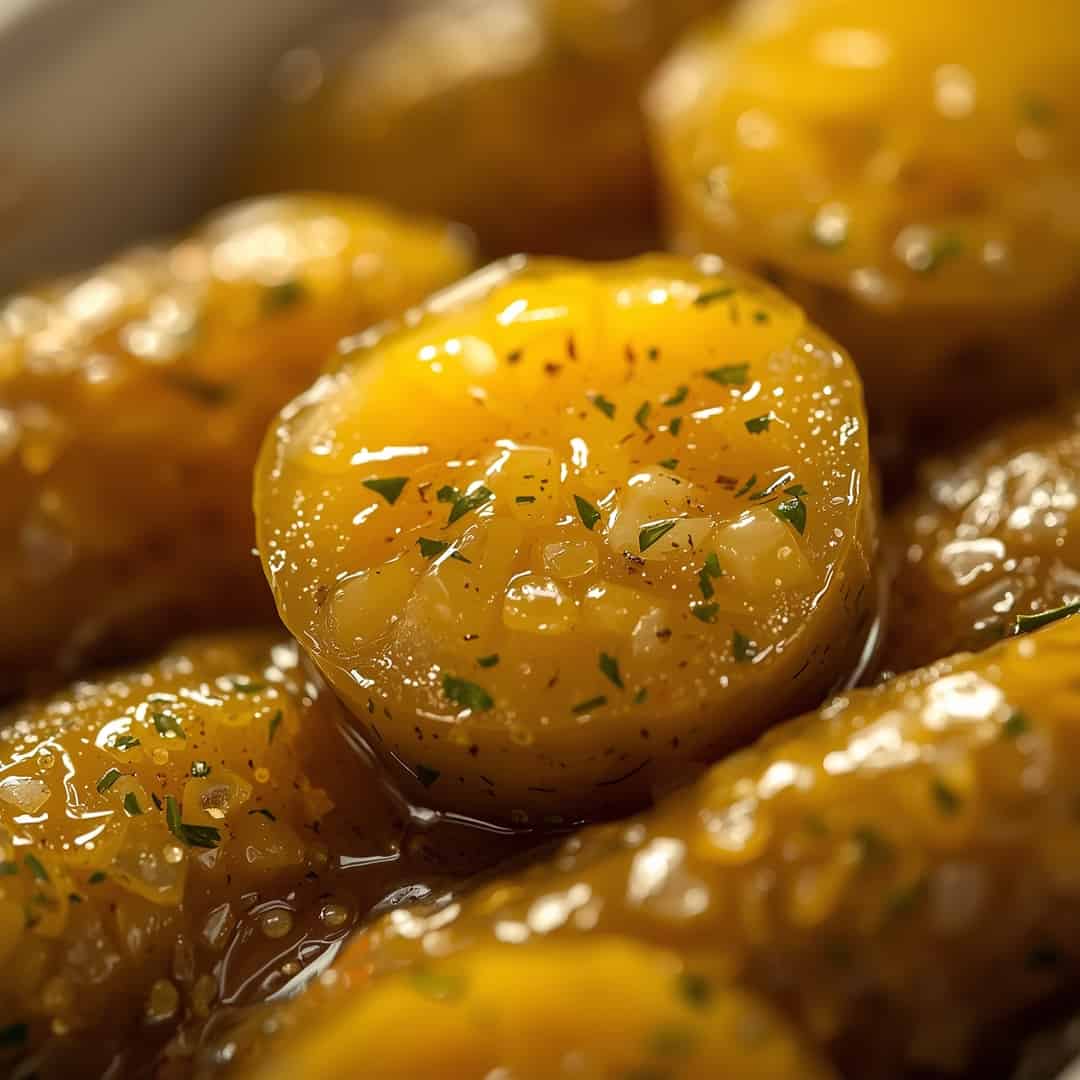
Dill Pickle Canning
Ingredients
Equipment
Method
- Wash 7 pint-sized or 4 quart-sized canning jars thoroughly with hot, soapy water. Rinse well. Place the lids and rings in a small saucepan, cover with water, and heat gently (do not boil). Keep them warm until ready to use. Sterilize your jars by running them through a dishwasher cycle or by placing them in a large pot, covering them with water, and boiling for 10 minutes. Keep them hot.
- In a large non-reactive pot (stainless steel or enamel), combine the water, white vinegar, and pickling salt. Stir until the salt is completely dissolved. Bring the mixture to a rolling boil over medium-high heat. Once boiling, reduce the heat slightly to maintain a simmer.7 cups Water, 3 cups White Vinegar, 0.5 cup Pickling Salt
- Wash your cucumbers thoroughly. Trim off the blossom end of each cucumber. You can leave them whole if they are small, or cut them into spears or slices for faster pickling and easier packing.5 pounds Cucumbers
- For each pint jar, place 2-3 smashed garlic cloves, 1 teaspoon of peppercorns, 1 teaspoon of mustard seeds, and ¼ teaspoon of red pepper flakes (if using) at the bottom. Add a head of fresh dill on top of the spices, or sprinkle in dried dill weed. Pack the cucumbers tightly into the jars, leaving about ½ inch of headspace at the top. If using, tuck in a grape leaf or sprinkle in Pickle Crisp.6-8 heads Fresh Dill, 24 cloves Garlic, 1 teaspoon Whole Black Peppercorns, 1 teaspoon Mustard Seeds, 0.25 teaspoon Red Pepper Flakes (Optional), 1 leaf or pinch Grape Leaves or Pickle Crisp (Optional)
- Carefully ladle the hot brine into the jars, ensuring the cucumbers and spices are covered. Maintain the ½ inch headspace. Remove any air bubbles by gently sliding a non-metallic utensil (like a chopstick or plastic spatula) down the sides of the jar. Add more brine if needed to maintain headspace.
- Wipe the rims of the jars thoroughly with a clean, damp cloth to remove any residue. This is crucial for creating a proper seal. Center the flat lids on the jars and screw on the rings until fingertip-tight. Do not overtighten.
- Place the filled jars on the rack in your water bath canner. Ensure the jars are at least an inch apart and do not touch each other. Fill the canner with hot water until the jar rims are covered by at least 1 inch of water. Bring the water to a rolling boil. Once boiling, start your processing time: 10 minutes for pint jars, or 15 minutes for quart jars (adjusting for altitude if necessary – add 1 minute for every 1,000 feet above sea level).
- After processing, turn off the heat and carefully remove the canner lid. Let the jars sit in the hot water for 5 minutes before removing them with a jar lifter. Place the jars on a towel-lined counter, leaving at least an inch of space between them. Let them cool undisturbed for 12-24 hours. You will hear popping sounds as the lids seal.
- Once completely cooled, check for proper seals. The center of the lid should be concave and should not flex when pressed. Remove the rings (which can rust), wipe down the jars, and store them in a cool, dark place.