
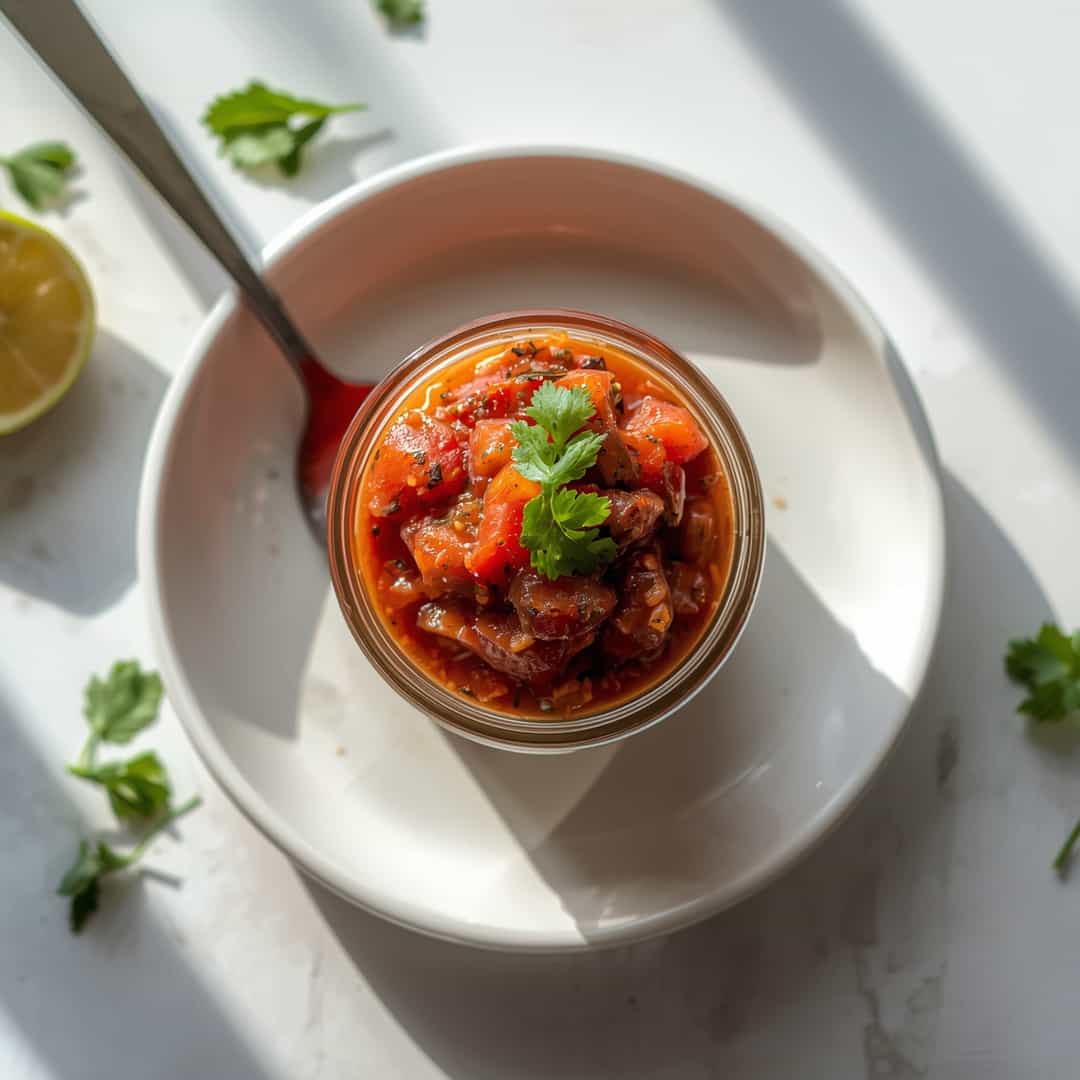
Fire roasted salsa canning transforms garden-fresh ingredients into a vibrant, smoky, and intensely flavorful preserve perfect for enjoying year-round. This recipe guides you through creating a delicious, shelf-stable salsa that’s ideal for adding a taste of summer to any meal, proving that homemade truly is best.
Key Ingredients for Fire Roasted Salsa Canning
- 10 lbs Ripe Roma Tomatoes: Look for firm, vibrant red tomatoes for the best flavor and texture.
- 5 lbs Fresh Tomatillos: Remove husks and wash thoroughly. Their tartness balances the tomatoes beautifully.
- 3 Large White Onions: Peeled and quartered.
- 6-8 Jalapeño Peppers: Stemmed and deseeded for milder salsa, or leave seeds for more heat. Adjust to your preference.
- 3-4 Poblano Peppers: Stemmed and seeded. These add a deeper, earthier roasted flavor.
- 1 Head Garlic: Cloves separated and peeled.
- ¾ cup Fresh Lime Juice: Essential for flavor and a crucial safety element for canning. Do not substitute bottled lime juice for its fresh counterpart.
- ¼ cup Distilled White Vinegar: Another vital acidic component for canning safety.
- 3 tablespoons Fine Sea Salt: Or canning salt, not iodized table salt which can discolor your salsa.
- 2 tablespoons Ground Cumin: For warm, earthy notes.
- 1 tablespoon Smoked Paprika: To enhance the roasted flavors.
- 1 bunch Fresh Cilantro: Roughly chopped, added after roasting for vibrant freshness.
- Optional for Extra Heat: 1-2 Habanero or Serrano peppers, stemmed and seeded, roasted with other vegetables.
How to Make Fire Roasted Salsa Canning
Prepare yourself for a culinary adventure that’s surprisingly easy, incredibly delicious, and profoundly satisfying. This fire roasted salsa canning recipe delivers a depth of flavor that store-bought versions simply can’t match, thanks to the charring of fresh vegetables. While it takes about 2-3 hours from start to finish, including canning time, the rich, smoky, and slightly tangy profile of this salsa is a true testament to the beauty of home preservation, making every effort worthwhile.
● Step-by-Step Instructions:
- Roast the Vegetables: Preheat your oven to 425°F (220°C) or prepare your grill for medium-high heat. On separate baking sheets or directly on the grill grates, spread out the quartered tomatoes, tomatillos, quartered onions, jalapeños, poblanos, and garlic cloves. Roast for 25-35 minutes, turning occasionally, until the vegetables are softened, slightly charred, and fragrant. The skins of the tomatoes and peppers should be blistered. If individual items finish sooner, remove them from the heat.
- Cool and Peel (Optional): Once roasted, transfer the vegetables to a large bowl. For an extra smoky flavor and easier peeling, you can place the hot peppers and tomatoes in a paper bag or cover the bowl with plastic wrap for 10-15 minutes to steam. This helps loosen the skins.
- Process the Vegetables: Once cooled enough to handle, remove the charred skins from the peppers and tomatoes if desired (I often leave some for extra char!). Transfer the roasted tomatoes, tomatillos, onions, jalapeños, poblanos, and peeled garlic to a food processor in batches. Pulse until you reach your desired salsa consistency – chunky or smoother. Avoid over-blending to prevent a watery texture.
- Combine and Season: Pour the processed vegetable mixture into a large, non-reactive stockpot (stainless steel or enameled cast iron). Stir in the fresh lime juice, distilled white vinegar, sea salt, ground cumin, and smoked paprika. Bring the mixture to a gentle boil over medium heat, then reduce the heat and simmer for 15-20 minutes, stirring occasionally, to allow the flavors to meld.
- Prepare for Canning: While the salsa simmers, prepare your canning jars. Wash pint or half-pint jars and lids thoroughly with hot, soapy water. Sterilize the jars by immersing them in boiling water for 10 minutes or using a dishwasher’s sanitize cycle. Keep jars hot until ready to fill.
- Fill Jars: Carefully ladle the hot salsa into the hot prepared jars, leaving a ½-inch headspace from the rim. Use a non-metallic utensil (like a plastic spatula) to remove any air bubbles. Wipe the jar rims clean with a damp cloth. Place lids and screw bands on, fingertip tight.
- Water Bath Can: Process the filled jars in a boiling water canner. Ensure jars are covered by at least 1-2 inches of boiling water. Bring the water back to a full, rolling boil and process pint jars for 15 minutes, and half-pint jars for 10 minutes, adjusting for altitude as necessary (add 5 minutes for every 1,000 feet above sea level).
- Cool and Store: Once processing time is complete, turn off the heat and carefully remove the jars from the canner using a jar lifter. Place them on a wire rack or a towel-lined surface, ensuring they are not touching, and allow them to cool undisturbed for 12-24 hours. You should hear popping sounds as the lids seal. Check seals by pressing on the center of each lid – if it doesn’t flex, it’s sealed. Store sealed jars in a cool, dark place.
Why You’ll Love This Fire Roasted Salsa Canning
You’re going to adore this fire roasted salsa canning for its incredible depth of flavor that brings the authentic taste of the Southwest right into your kitchen. The magic truly happens through the charring process, which transforms fresh, simple vegetables into a complex and smoky masterpiece, far surpassing any jarred salsa you’d find at the grocery store. Not only does this recipe save you money by utilizing seasonal produce, but it also allows you to control exactly what goes into your food, free from preservatives and artificial flavors.
Imagine the smoky sweetness of roasted tomatoes, the subtle tartness of tomatillos, and the savory kick of charred peppers, all mingled with fresh lime and aromatic spices. This salsa isn’t just an ingredient; it’s a vibrant condiment that elevates tacos, burritos, and eggs to a whole new level, offering a richer, more nuanced flavor than a fresh pico de gallo. If you love the idea of wholesome, flavorful food that you’ve made with your own hands, then this fire roasted salsa canning recipe is a must-try. Get ready to experience salsa like never before!
What to Serve Fire Roasted Salsa Canning With
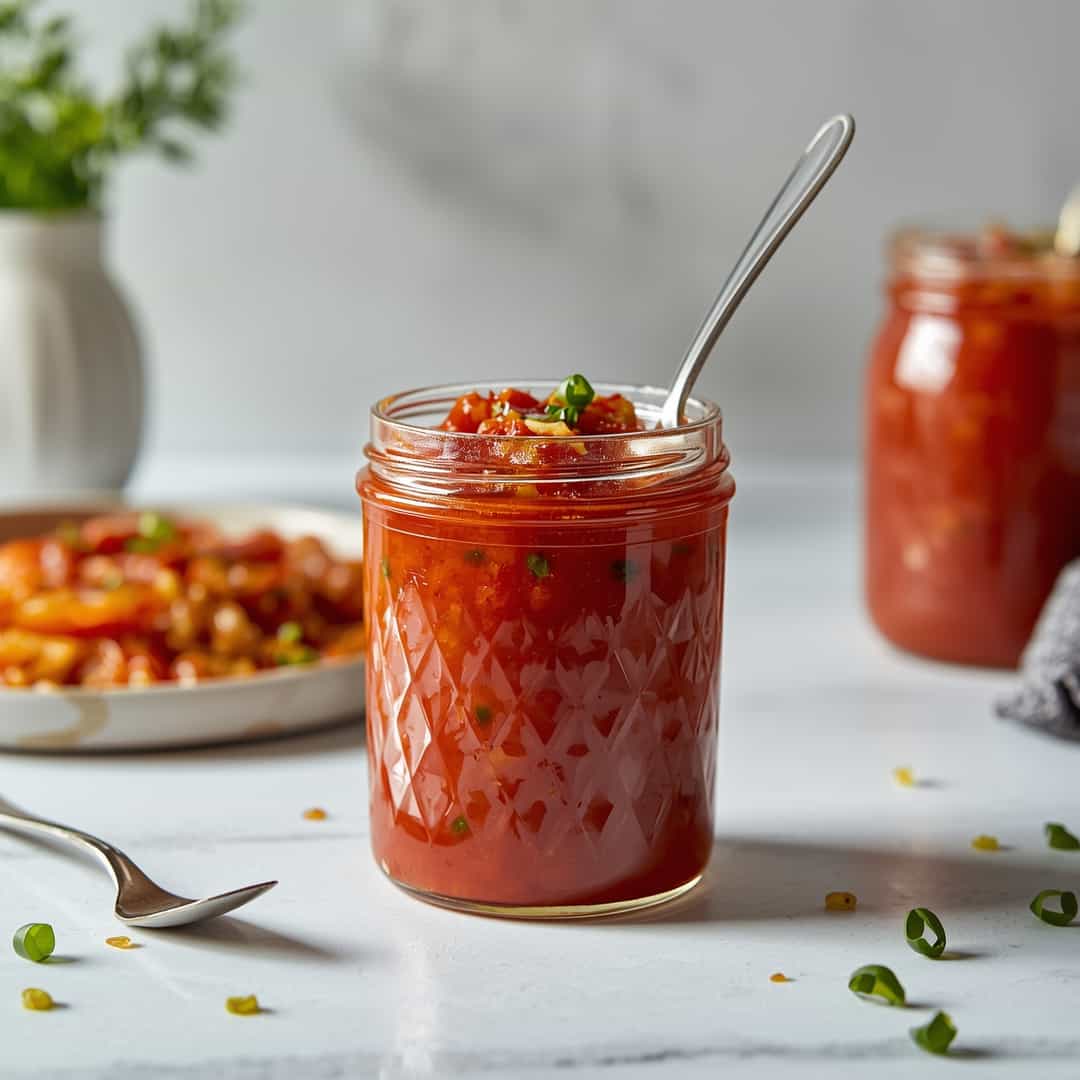
This versatile fire roasted salsa canning is a true crowd-pleaser and pairs beautifully with a wide array of dishes. Of course, it’s a natural fit for classic Mexican fare: think crispy tortilla chips for a simple snack, loading up tacos with your favorite fillings, or stirring it into burrito bowls for an instant flavor boost. Beyond the obvious, try spooning it over grilled chicken or fish, where its smoky notes complement the char from the grill perfectly.
It also makes an exceptional topping for scrambled eggs or omelets for a vibrant breakfast. For a heartier meal, consider serving it alongside cheese enchiladas or as a zesty addition to pulled pork sandwiches. And don’t forget the drinks! A refreshing lime margarita or a crisp Mexican lager would be the ideal accompaniment.
Top Tips for Perfecting Fire Roasted Salsa Canning
- Don’t Fear the Char: The key to true fire-roasted flavor is getting a good char on your vegetables. Don’t be afraid if the skins of your tomatoes and peppers turn black in spots – that’s where the smoky depth comes from! However, avoid burning the flesh itself.
- Adjust Heat to Your Liking: The recipe calls for jalapeño and poblano peppers, but feel free to customize. For less heat, remove all seeds and membranes from the peppers. For more heat, add a habanero or serrano, or leave some seeds in the jalapeños. Remember, the heat tends to mellow slightly during canning.
- Balance the Liquids: After roasting, your tomatoes and tomatillos will release a lot of liquid. If your salsa seems too thin after simmering, you can cook it down a bit longer to reduce the liquid, ensuring a thicker consistency. However, avoid over-reducing, as you need enough liquid for proper canning.
- Acidity is Non-Negotiable for Canning: The lime juice and vinegar are crucial for creating a safe pH level for water bath canning. Do not reduce their quantities. Taste tests for seasoning should only happen after these acidic components are added.
- Use Fresh, Quality Produce: The better your ingredients, the better your salsa will taste. Ripe, in-season tomatoes and fresh, firm tomatillos make all the difference. Avoid using overly soft or bruised produce.
- Let Flavors Mingle: While tempting to dive in, allow your canned salsa to sit for at least 2-4 weeks before opening. This “curing” time allows all the incredible flavors to meld and deepen, resulting in an even more delicious product.
Storing and Reheating Tips
Once your fire roasted salsa canning jars have successfully sealed, they are shelf-stable and can be stored in a cool, dark place, like a pantry or cupboard, for up to 18 months. Always store them without the screw bands to prevent false seals and allow you to quickly identify any spoilage. Make sure to clearly label your jars with the canning date.
Once a jar of salsa is opened, it must be refrigerated. It will typically maintain its best quality for 1-2 weeks in the refrigerator. To reheat, simply spoon the desired amount into a microwave-safe bowl and heat in 30-second intervals until warmed through, or gently warm in a saucepan over low heat. Avoid freezing opened salsa, as the texture can become watery after thawing. If you have any jars that do not seal during the initial canning process, simply refrigerate those immediately and consume within 1-2 weeks.
Final Thoughts
This fire roasted salsa canning recipe is more than just a preserve; it’s a journey into rich, smoky flavors that will elevate any meal. Embrace the rewarding process of home canning and fill your pantry with this vibrant, homemade treasure. You’ll be amazed at how a little char can transform simple ingredients into something truly extraordinary.
Read more :
- Homemade Ketchup And Tomato Condiments
- Carolina BBQ Mustard Sauce Recipe
- Enchilada Sauce Homemade Canned
- our Pinterest
Fire Roasted Salsa Canning FAQs
Q1: Can I use regular tomatoes instead of Roma tomatoes?
A1: While Roma tomatoes are recommended for their lower water content and meaty flesh, you can use other ripe tomato varieties. However, you might need to simmer the salsa down a bit longer to achieve your desired thickness, as juicier tomatoes will release more liquid.
Q2: Is it safe to skip the lime juice and vinegar for canning?
A2: Absolutely NOT. The lime juice and distilled white vinegar are critical acidic ingredients that ensure the salsa meets the necessary pH level for safe water bath canning. Without them, there’s a risk of botulism, a serious foodborne illness. Do not alter their quantities.
Q3: How do I know if my jars have sealed properly?
A3: After cooling for 12-24 hours, check for a proper seal by pressing the center of each lid. If the lid is concave and does not flex when pressed, it is sealed. You might also hear a clear “pop” sound when you gently tap the lid. If a lid is not sealed, refrigerate the jar and consume within 1-2 weeks.
Q4: Can I adjust the spiciness of the salsa?
A4: Yes, absolutely! For less heat, make sure to thoroughly deseed and remove the white membranes from your jalapeño and poblano peppers. For more heat, you can leave some seeds in the jalapeños, or add hotter peppers like habanero or serrano (use sparingly!).
Q5: What if my salsa looks too watery after blending?
A5: Don’t worry! After blending, you’ll simmer the salsa on the stovetop. This is your opportunity to cook down any excess liquid. Simply let it simmer gently, stirring occasionally, until it reaches your preferred consistency. Remember, it will thicken slightly as it cools.