
Pressure can chicken is a game-changer for busy home cooks, offering a simple yet incredibly versatile way to preserve cooked chicken. This recipe demystifies the process of pressure canning chicken, ensuring you have tender, ready-to-use protein for countless meals, saving you time and money in the long run.
Key Ingredients for Pressure Can Chicken
- 10-12 pounds bone-in, skin-on chicken pieces (thighs, breasts, or a whole chicken cut up)
- 2 teaspoons salt (optional, for canning)
- Water (for liquid in jars, if not canning in broth)
How to Make Pressure Can Chicken
This method for pressure can chicken is surprisingly straightforward, yielding incredibly tender and flavorful results. You’ll be amazed at how easily you can prepare a large batch of cooked chicken in one go. The richness that develops during the canning process is truly remarkable. Preparation time is approximately 30 minutes for prep and then goes into the canner for about 75-90 minutes of processing time.
Step-by-Step Instructions
1. Prepare Your Chicken:
Clean your chicken pieces thoroughly. You can use whole chicken, or just breasts or thighs depending on your preference. For the best flavor and tenderness, bone-in, skin-on pieces are recommended, though boneless, skinless can also be canned, but may require a slightly different liquid ratio and can sometimes be a little drier. Remove any excess fat if desired, but some fat contributes to moisture and flavor during canning.
2. Pre-Cook the Chicken (Optional but Recommended):
While it’s possible to can raw chicken, pre-cooking it often results in better texture and a more appealing final product. You can boil, roast, or steam the chicken until it’s about two-thirds cooked. Discard the cooking liquid if boiling, or reserve it if you intend to use it as broth for canning. Skim off any excess fat from the pre-cooked chicken.
3. Pack Your Jars:
For raw pack canning, pack the raw chicken pieces snugly into clean, sterilized canning jars, leaving a 1-inch headspace from the rim. For hot pack canning (after pre-cooking), pack the hot chicken pieces into hot, sterilized jars, again leaving a 1-inch headspace. If you are using salt for flavor, add about 1/2 teaspoon per pint jar or 1 teaspoon per quart jar.
4. Add Liquid:
If canning raw chicken, pour boiling water or boiling chicken broth over the chicken to cover, maintaining the 1-inch headspace. If hot packing pre-cooked chicken, you can use hot water or hot chicken broth. Ensure there are no air bubbles trapped. You can carefully run a non-metallic spatula around the inside of the jar to release any trapped air.
5. Seal the Jars:
Wipe the rims of the jars clean with a damp cloth to ensure a good seal. Place your sterilized lids on the jars and screw on the bands fingertip tight. Do not overtighten.
6. Process in a Pressure Canner:
Place the filled jars into your pressure canner, following the manufacturer’s instructions for your specific model. Ensure there is enough water in the canner’s base, typically 2-3 inches, and that the jars are not touching each other or the canner’s bottom directly if you have a rack.
- For Pints: Process at 10-11 pounds of pressure (dial gauge) or 5 pounds of pressure (weighted gauge) for 75 minutes.
- For Quarts: Process at 10-11 pounds of pressure (dial gauge) or 5 pounds of pressure (weighted gauge) for 90 minutes.
It is crucial to maintain the correct pressure throughout the processing time. If the pressure drops below the recommended level, you must bring it back up and restart the processing time. Altitude adjustments may be necessary; consult your canning guide for recommendations if you live above 1,000 feet.
7. Cool Down and Check Seals:
Once processing is complete, turn off the heat and allow the canner to depressurize naturally. Do not attempt to force depressurizing by removing the weight or lid. Once the pressure has fully returned to zero, carefully remove the weight and wait another 10 minutes before removing the lid, opening it away from your face to avoid steam.
Lift the jars out of the canner using a jar lifter and place them on a towel-lined counter or cooling rack, at least an inch apart, to cool completely. Avoid placing them on a cold surface or in a draft. You should hear a “ping” as the lids seal. After 12-24 hours, check that the lids have sealed by pressing down on the center. A sealed lid will be concave and will not flex.
Why You’ll Love This Pressure Can Chicken
You’ll absolutely fall in love with having pressure can chicken readily available in your pantry! The main feature is the incredibly tender and juicy cooked chicken that’s ready for immediate use in salads, casseroles, soups, or as a quick protein addition to any meal. This is a fantastic cost-saving benefit of making it at home, as you can purchase chicken in bulk when it’s on sale and preserve it, significantly reducing your grocery bill compared to buying pre-cooked or canned chicken.
The subtle, savory flavor from the canning process itself, enhanced by just a touch of salt if you choose, makes it a superior alternative to bland grocery store options, much like the satisfying depth you get from slow-cooked meats. Give this simple yet life-changing method a try and unlock endless meal possibilities with your own homemade pressure can chicken!
Storing and Reheating Tips
Properly stored, your pressure can chicken will remain fresh and delicious for a remarkably long time. Store sealed jars in a cool, dark, and dry place, such as a pantry or basement. Avoid extreme temperatures.
- Shelf Life: Properly canned chicken can last for 1-2 years or even longer, retaining excellent quality. Always inspect jars before use; if a lid is bulging, leaking, or the seal is lost, discard the contents immediately.
- Reheating: To reheat, simply open a jar and use the chicken as needed. It can be warmed gently in a saucepan with a little broth or water, or added directly to a dish that will be cooked (like a soup or casserole). If you want to heat all the contents of a jar, you can place the open jar into a simmering pot of water for about 10-15 minutes.
- Freezing (if not canning): If you choose to cook chicken and then freeze it without canning, ensure it is cooled completely before packaging. Wrap tightly in freezer-safe bags or containers to prevent freezer burn. Frozen cooked chicken typically lasts for 2-3 months for best quality, though it remains safe to eat for longer if kept consistently frozen.
Final Thoughts
Pressure can chicken is an incredible asset for any kitchen, providing convenience and exceptional flavor. Embrace this rewarding preservation technique and enjoy the benefits of having perfectly cooked chicken ready to go at a moment’s notice. Give it a whirl – you won’t be disappointed!
Read more :
- Canning Corn on the Cob
- Canning Vegetable Soup
- Pickled Mixed Vegetables (Giardiniera)
- Canning Vegetable Stock
- Pressure Canning Green Beans
- our Pinterest
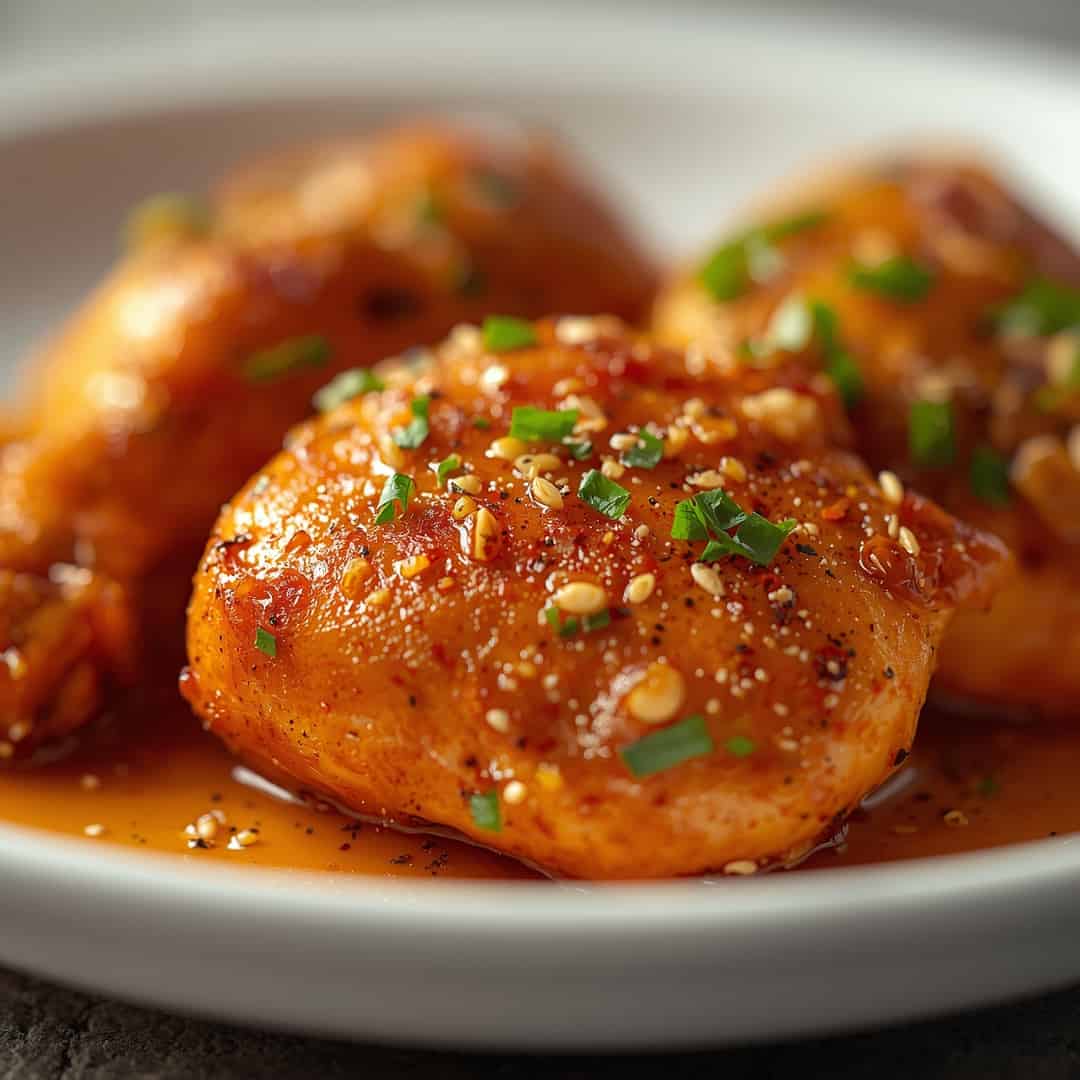
Pressure Can Chicken
Ingredients
Equipment
Method
- Clean your chicken pieces thoroughly. You can use whole chicken, or just breasts or thighs depending on your preference. For the best flavor and tenderness, bone-in, skin-on pieces are recommended, though boneless, skinless can also be canned, but may require a slightly different liquid ratio and can sometimes be a little drier. Remove any excess fat if desired, but some fat contributes to moisture and flavor during canning.10-12 pounds bone-in, skin-on chicken pieces (thighs, breasts, or a whole chicken cut up)
- Pre-cook the chicken (optional but recommended). You can boil, roast, or steam the chicken until it’s about two-thirds cooked. Discard the cooking liquid if boiling, or reserve it if you intend to use it as broth for canning. Skim off any excess fat from the pre-cooked chicken.
- Pack your jars. For raw pack canning, pack the raw chicken pieces snugly into clean, sterilized canning jars, leaving a 1-inch headspace from the rim. For hot pack canning (after pre-cooking), pack the hot chicken pieces into hot, sterilized jars, again leaving a 1-inch headspace. If you are using salt for flavor, add about 1/2 teaspoon per pint jar or 1 teaspoon per quart jar.10-12 pounds bone-in, skin-on chicken pieces (thighs, breasts, or a whole chicken cut up), 2 teaspoons salt
- Add Liquid. If canning raw chicken, pour boiling water or boiling chicken broth over the chicken to cover, maintaining the 1-inch headspace. If hot packing pre-cooked chicken, you can use hot water or hot chicken broth. Ensure there are no air bubbles trapped. You can carefully run a non-metallic spatula around the inside of the jar to release any trapped air.Boiling water or boiling chicken broth, Hot water or hot chicken broth
- Seal the Jars. Wipe the rims of the jars clean with a damp cloth to ensure a good seal. Place your sterilized lids on the jars and screw on the bands fingertip tight. Do not overtighten.
- Process in a Pressure Canner. Place the filled jars into your pressure canner, following the manufacturer’s instructions for your specific model. Ensure there is enough water in the canner’s base, typically 2-3 inches, and that the jars are not touching each other or the canner’s bottom directly if you have a rack.
- For Pints: Process at 10-11 pounds of pressure (dial gauge) or 5 pounds of pressure (weighted gauge) for 75 minutes.
- For Quarts: Process at 10-11 pounds of pressure (dial gauge) or 5 pounds of pressure (weighted gauge) for 90 minutes.
- Cool Down and Check Seals. Once processing is complete, turn off the heat and allow the canner to depressurize naturally. Do not attempt to force depressurizing by removing the weight or lid. Once the pressure has fully returned to zero, carefully remove the weight and wait another 10 minutes before removing the lid, opening it away from your face to avoid steam. Lift the jars out of the canner using a jar lifter and place them on a towel-lined counter or cooling rack, at least an inch apart, to cool completely. Avoid placing them on a cold surface or in a draft. You should hear a “ping” as the lids seal. After 12-24 hours, check that the lids have sealed by pressing down on the center. A sealed lid will be concave and will not flex.