
Embrace the bounty of the season with these amazing apple canning recipes, your ultimate guide to preserving the sweet, tart essence of fresh apples for year-round enjoyment. These versatile recipes not only capture the peak flavor of your harvest but also provide a delicious and practical way to stock your pantry with homemade goodness.
Key Ingredients for Basic Canned Applesauce
- 4 pounds ripe apples (such as Gala, Fuji, Honeycrisp, or a mix)
- 1 cup water (or more, as needed)
- 1/4 cup granulated sugar (optional, adjust to taste)
- 1/2 teaspoon ground cinnamon (optional)
- 1 tablespoon lemon juice (optional, for brighter color and flavor)
How to Make Basic Canned Applesauce
This tried-and-true recipe for basic canned applesauce is incredibly easy to make, delivering a smooth, comforting texture and pure apple flavor that’s deeply satisfying. The simple preparation time of about 30 minutes active cooking, plus canning time, makes it a perfect weekend project.
Step-by-Step Instructions
- Prepare the Apples: Wash all your apples thoroughly. You can choose to peel and core them, or for a slightly chunkier texture and minimal waste, you can simply remove any bruised spots, the core, and leave the skins on. If leaving the skins on, ensure your apples are organic if possible, as pesticide residue can be a concern.
- Chop the Apples: Cut the prepared apples into uniform chunks, roughly 1-inch in size. This ensures they cook evenly.
- Cook the Apples: Place the chopped apples in a large, heavy-bottomed pot or Dutch oven. Add the water. If using, stir in the granulated sugar, cinnamon, and lemon juice.
- Simmer Until Tender: Bring the mixture to a boil over medium-high heat, then reduce the heat to low, cover the pot, and simmer gently. Stir occasionally to prevent sticking. Cook for about 20-30 minutes, or until the apples are very tender and easily pierced with a fork. The exact time will depend on the variety of apples used.
- Mash or Purée: Once tender, remove the pot from the heat. For smooth applesauce, use an immersion blender to purée the mixture directly in the pot until smooth. Alternatively, you can carefully transfer the cooked apples in batches to a regular blender or food processor and blend until your desired consistency is reached. If you prefer a chunkier applesauce, you can simply mash the apples with a potato masher or a sturdy fork.
- Prepare for Canning: While the apples are cooking, prepare your canning equipment. Sterilize your jars, lids, and bands according to manufacturer instructions or by boiling them in water for at least 10 minutes. Ensure you have a large pot for water bath canning, a lid lifter, a jar lifter, and a funnel.
- Pack the Jars: Ladle the hot applesauce into the sterilized jars, leaving a 1/2-inch headspace (the space between the top of the applesauce and the rim of the jar). Wipe the rims of the jars clean with a damp cloth to ensure a good seal.
- Apply Lids and Bands: Place a new, sterilized lid onto each jar and screw on the band fingertip tight. Do not overtighten.
- Process in a Water Bath: Carefully place the filled jars into your prepared water bath canner, ensuring they are covered by at least 1-2 inches of water. Bring the water to a rolling boil. Once boiling, process the jars for the recommended time based on altitude (typically 15-20 minutes for low altitudes). Consult reliable canning resources for specific timing.
- Cool and Check Seals: Once processing is complete, turn off the heat, remove the canner lid, and let the jars sit in the hot water for 5 more minutes. Then, carefully remove the jars from the canner using a jar lifter and place them on a towel-lined surface to cool completely for 12-24 hours. You will hear a distinctive “ping” as the lids seal. After cooling, check that the lids are sealed by pressing on the center; they should not flex up and down. If a lid hasn’t sealed, refrigerate the jar and consume the applesauce within a week.
Why You’ll Love This Basic Canned Applesauce
You’ll adore this basic canned applesauce for its incredibly pure, comforting apple flavor that tastes like autumn in a jar! The simplicity of this recipe is its secret weapon, allowing the natural sweetness of the apples to shine through without overwhelming additions. Unlike store-bought varieties that can sometimes be too sugary or lack authentic apple taste, this homemade version offers a wholesome, customizable experience.
Imagine your pantry stocked with jars of this delicious applesauce, ready to be enjoyed as a healthy snack, a side dish for pork, or a base for baking. The cost-saving benefit of making this at home is significant, especially when you can harvest apples from your own trees or find them on sale at your local market. The subtle warmth of cinnamon (if you choose to add it) or the bright tang of lemon juice can transform it into something truly special, making it a clear winner over any pre-packaged alternative. So, why wait? Give these apple canning recipes a try and experience the joy of homemade goodness firsthand!
Storing and Reheating Tips
Storing Unopened Canned Applesauce:
- Store sealed jars in a cool, dark, dry place, such as a pantry or basement.
- Properly canned applesauce can last for up to 12-18 months. It is still safe to eat beyond this time, but the quality may decline.
- Avoid storing jars in areas with extreme temperature fluctuations, as this can affect the seal.
Storing Opened Canned Applesauce:
- Once opened, transfer any remaining applesauce to an airtight container.
- Refrigerate promptly.
- Opened applesauce will stay fresh in the refrigerator for approximately 7-10 days.
Reheating Applesauce:
- Stovetop: Gently reheat a portion of applesauce in a saucepan over low heat, stirring occasionally, until warmed through. Do not boil.
- Microwave: Place applesauce in a microwave-safe dish and heat on medium power in 30-second intervals, stirring between each, until desired temperature is reached.
Freezing Applesauce:
- While canning is the preferred method for long-term storage, applesauce can also be frozen.
- Allow the applesauce to cool completely before freezing.
- For best results, freeze in freezer-safe containers or bags, leaving a little headspace as liquids expand when frozen.
- Frozen applesauce will maintain good quality for up to 6-8 months. Thaw in the refrigerator overnight before consuming.
Final Thoughts
Preserving apples through these delicious apple canning recipes is a rewarding way to capture the essence of the season and enjoy that sweet, fresh apple flavor all year long. Encourage yourself to embark on this simple canning adventure; you’ll be delighted by the taste and convenience of homemade goodness at your fingertips.
Read more also:
- Strawberry Vanilla Bean Jam Recipe
- No-Sugar Added Strawberry Jam
- Peach and Lavender Jam
- Canning Fruit Syrups Homemade Recipe
- Our Pinterest
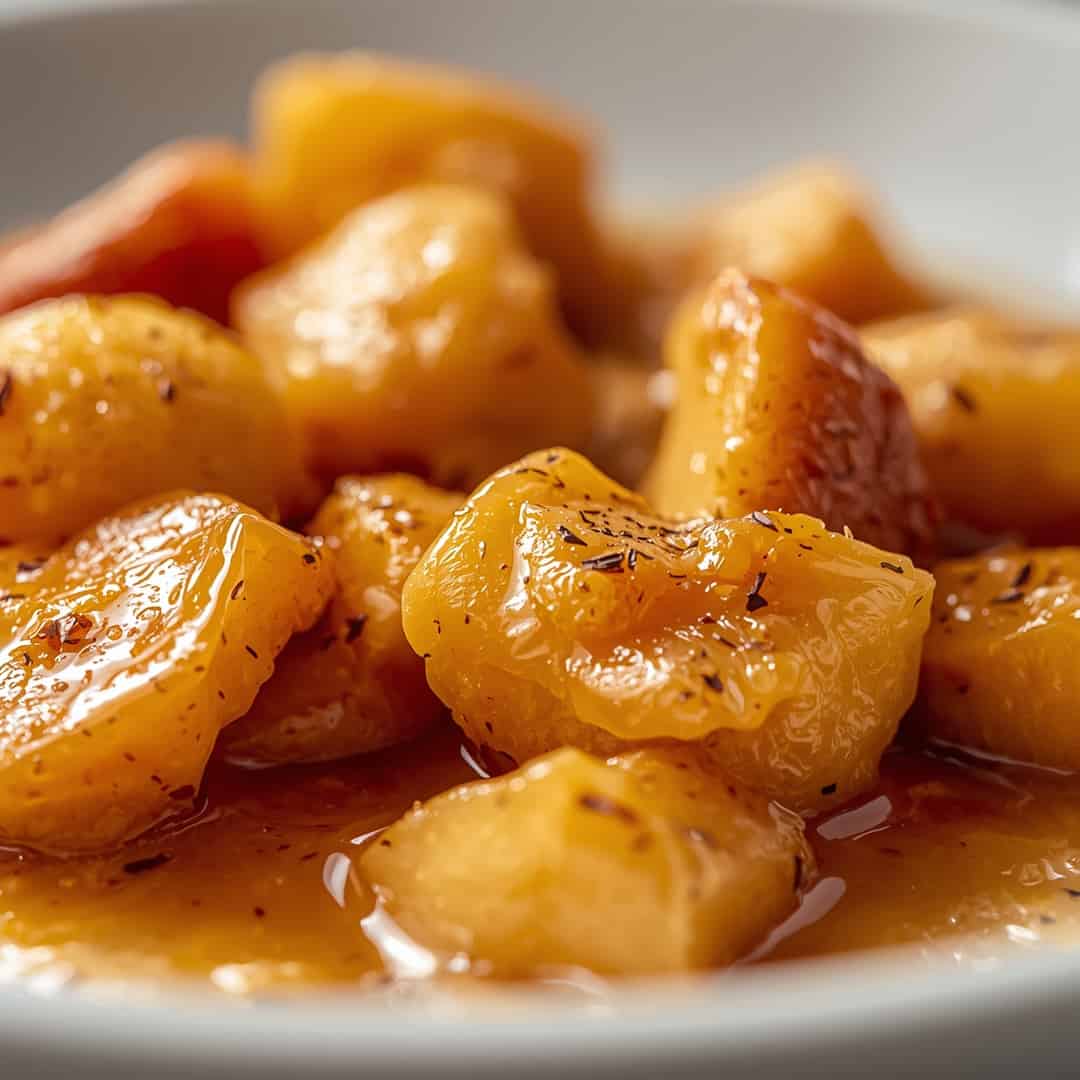
Basic Canned Applesauce
Ingredients
Equipment
Method
- Prepare the Apples: Wash all your apples thoroughly. You can choose to peel and core them, or for a slightly chunkier texture and minimal waste, you can simply remove any bruised spots, the core, and leave the skins on. If leaving the skins on, ensure your apples are organic if possible, as pesticide residue can be a concern.4 pounds ripe apples
- Chop the Apples: Cut the prepared apples into uniform chunks, roughly 1-inch in size. This ensures they cook evenly.4 pounds ripe apples
- Cook the Apples: Place the chopped apples in a large, heavy-bottomed pot or Dutch oven. Add the water. If using, stir in the granulated sugar, cinnamon, and lemon juice.4 pounds ripe apples, 1 cup water, 1/4 cup granulated sugar, 1/2 teaspoon ground cinnamon, 1 tablespoon lemon juice
- Simmer Until Tender: Bring the mixture to a boil over medium-high heat, then reduce the heat to low, cover the pot, and simmer gently. Stir occasionally to prevent sticking. Cook for about 20-30 minutes, or until the apples are very tender and easily pierced with a fork. The exact time will depend on the variety of apples used.
- Mash or Purée: Once tender, remove the pot from the heat. For smooth applesauce, use an immersion blender to purée the mixture directly in the pot until smooth. Alternatively, you can carefully transfer the cooked apples in batches to a regular blender or food processor and blend until your desired consistency is reached. If you prefer a chunkier applesauce, you can simply mash the apples with a potato masher or a sturdy fork.
- Prepare for Canning: While the apples are cooking, prepare your canning equipment. Sterilize your jars, lids, and bands according to manufacturer instructions or by boiling them in water for at least 10 minutes. Ensure you have a large pot for water bath canning, a lid lifter, a jar lifter, and a funnel.
- Pack the Jars: Ladle the hot applesauce into the sterilized jars, leaving a 1/2-inch headspace (the space between the top of the applesauce and the rim of the jar). Wipe the rims of the jars clean with a damp cloth to ensure a good seal.
- Apply Lids and Bands: Place a new, sterilized lid onto each jar and screw on the band fingertip tight. Do not overtighten.
- Process in a Water Bath: Carefully place the filled jars into your prepared water bath canner, ensuring they are covered by at least 1-2 inches of water. Bring the water to a rolling boil. Once boiling, process the jars for the recommended time based on altitude (typically 15-20 minutes for low altitudes). Consult reliable canning resources for specific timing.
- Cool and Check Seals: Once processing is complete, turn off the heat, remove the canner lid, and let the jars sit in the hot water for 5 more minutes. Then, carefully remove the jars from the canner using a jar lifter and place them on a towel-lined surface to cool completely for 12-24 hours. You will hear a distinctive “ping” as the lids seal. After cooling, check that the lids are sealed by pressing on the center; they should not flex up and down. If a lid hasn’t sealed, refrigerate the jar and consume the applesauce within a week.