
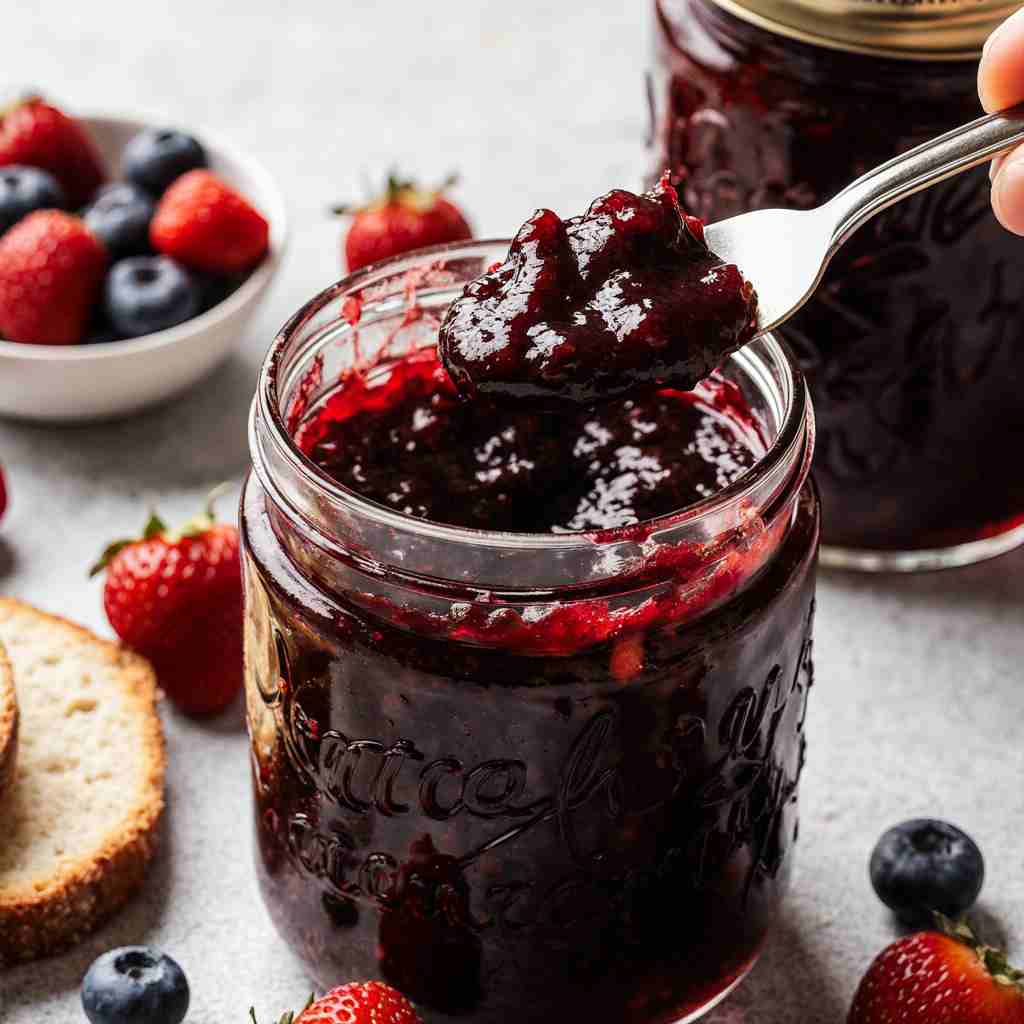
Craving homemade jam bursting with fresh berry flavor, made the old-fashioned way? This Berry Jam Without Pectin recipe is your answer! Perfect for slathering on toast, swirling into yogurt, or gifting to friends, this recipe uses a traditional method: relying entirely on the natural pectin found in the berries themselves to achieve the perfect set. This results in a jam that’s not only delicious but also avoids the added sugars and preservatives often found in commercially made jams.
Table of Contents
What is Berry Jam Without Pectin?
Berry Jam Without Pectin is a delicious preserve made from fresh berries, sugar, and a bit of lemon juice, cooked down to a spreadable consistency. Unlike many modern jam recipes, it skips the commercially produced pectin that acts as a gelling agent. Instead, this method harnesses the natural pectin present in the berries, which is activated by the heat and sugar during cooking.
The result is a jam with a brighter, fresher flavor and a slightly softer, more naturally set texture. It’s a wonderfully simple and rewarding way to capture the taste of summer, allowing you to enjoy the bounty of berries year-round.
Ready to ditch the store-bought stuff and experience the real taste of homemade jam? Let’s get started!
Key Ingredients for Berry Jam Without Pectin:
- 4 cups (approximately 2 lbs) mixed berries: Use a combination of your favorite berries! Strawberries, raspberries, blueberries, blackberries, and even cranberries can be used. Choose ripe berries for the best flavor and pectin content. If using larger berries like strawberries, hull and quarter them. Note that the exact ratio of berry types can influence the final set, with tart or higher-pectin berries (like cranberries or raspberries) assisting in the gelling process.
- 3 cups granulated sugar: The sugar not only sweetens the jam but also acts as a preservative and helps activate the pectin. You can adjust the amount slightly depending on the sweetness of your berries, but remember sugar is crucial for proper setting and shelf life.
- 1/4 cup fresh lemon juice: Lemon juice adds brightness to the jam and helps with the setting process because the acidity helps to extract pectin from the fruit. Freshly squeezed is always best. Be sure to remove any seeds.
- 1 tablespoon Unsalted Butter: A small amount of butter added at the end can significantly reduce the amount of foam that forms on the surface during cooking. This does not affect the flavor, is optional, but makes for a clearer, smoother final product.
How to Make Berry Jam Without Pectin:
This Berry Jam Without Pectin recipe is surprisingly easy! It’s delicious and satisfying, allowing you to appreciate the pure flavor of the berries. The best part? It highlights the natural sweetness and acidity of the fruit, avoiding any artificial thickeners. The entire process, from start to finish, will take approximately 1.5 to 2 hours, including preparation and cooking time until the jam reaches the gel stage.
- Total Prep Time: 15 minutes
- Total Cook Time: 60-90 minutes
Equipment Needed:
- Large, heavy-bottomed pot (stainless steel or enamel is best)
- Wooden spoon or heat-resistant spatula
- Sterilized jars and lids (see instructions below)
- Candy thermometer (optional, but helpful)
- Small plate, chilled in the freezer (for testing the jam’s set)
- Jar lifter (optional, but recommended for safe handling of hot jars)
Step-by-Step Instructions:
1. Prepare Your Berries:
- Wash your berries thoroughly in cold water.
- Hull and quarter any large berries, such as strawberries. Remove stems from other berries, such as blueberries and raspberries.
- Gently pat the berries dry and place them in your large pot.
2. Macerate the Berries:
- Add the sugar to the pot of berries.
- Gently stir to combine the sugar and berries.
- Let the mixture sit for at least 30 minutes, or up to 2 hours, at room temperature. This process, called maceration, draws out the juice from the berries, which is essential for a good jam consistency. Stir every 20 minutes for maximum effect. The berries will become more juicy from the reaction of sugar with berry.
3. Sterilize Your Jars:
- While the berries are macerating, sterilize your jars and lids. There are several ways to do this:
- Boiling Water: Place the jars in a large pot, cover with water, and bring to a boil. Boil for 10 minutes. Remove the jars carefully with tongs and place them upside down on a clean towel to dry. Boil the lids in a separate saucepan for 10 minutes.
- Dishwasher: Run the jars and lids through a hot cycle in your dishwasher. Keep the jars in the dishwasher until you’re ready to fill them.
- Oven: Preheat your oven to 250°F (120°C). Wash the jars and lids with soap and water, rinse well, and place upside down on a baking sheet. Heat in the oven for 20 minutes. Turn the oven off and leave the jars inside until ready to use.
4. Cook the Jam:
- Place the pot of macerated berries over medium-high heat.
- Stir constantly with a wooden spoon to prevent sticking and burning. Ensure you are scraping the bottom of the pot.
- Bring the mixture to a rolling boil. A rolling boil is a boil that doesn’t stop even when you stir it.
- Once the mixture reaches a rolling boil, add the lemon juice.
- Continue to cook the jam, stirring frequently, until it reaches the setting point. This can take anywhere from 45 minutes to over an hour, depending on the berry variety and the heat of your stove.
5. Test for Setting Point:
- There are two main methods for testing if the jam has reached its setting point:
- Temperature test: Use a candy thermometer. The jam should reach 220°F (104°C) at sea level. Note that this temperature may need to be adjusted slightly depending on your altitude.
- Plate test: Place a small spoonful of jam onto the chilled plate from the freezer. Return the plate to the freezer for 1-2 minutes. Then, gently push the jam with your finger. If the surface wrinkles, the jam is ready. If it’s still runny, continue cooking and test again in a few minutes.
6. Optional Butter Addition and Skimming:
- If desired, stir in the tablespoon of butter.
- Remove the pot from the heat and skim off any foam from the surface of the jam using a spoon. This will result in a clearer, more professional-looking jam.
7. Jarring the Jam:
- Carefully ladle the hot jam into the sterilized jars, leaving about 1/4 inch of headspace at the top.
- Wipe the rims of the jars clean with a damp cloth.
- Place the sterilized lids on the jars and screw on the bands until fingertip tight (not too tight).
8. Processing the Jars (Optional, for Long-Term Storage):
- If you plan to store the jam at room temperature for more than a few weeks, it’s recommended to process the jars in a boiling water bath.
- Place the filled jars in a large pot with a rack on the bottom. Add enough hot water to cover the jars by at least 1 inch.
- Bring the water to a boil and process the jars for 10 minutes (adjust processing time for altitude).
- Turn off the heat and let the jars sit in the hot water for 5 minutes before removing them with a jar lifter.
- Place the jars on a towel-lined surface and let them cool completely. As the jars cool, you should hear a “pop” sound as the lids seal.
9. Cooling and Sealing:
- Let the jars cool completely undisturbed for 12-24 hours.
- After the jars have cooled completely, check the seals by pressing down on the center of the lid. If the lid doesn’t flex up and down, it’s properly sealed.
- If any jars didn’t seal, store them in the refrigerator and use the jam within a few weeks.
10. Storage:
- Properly sealed jars of Berry Jam Without Pectin can be stored at room temperature in a cool, dark place for up to a year. Once opened, refrigerate the jam and use it within a few weeks.
Final Thoughts:
Making Berry Jam Without Pectin is a rewarding way to connect with the traditions of preserving and enjoy the flavors of fresh, seasonal fruit throughout the year. Don’t be intimidated by the lack of added pectin.
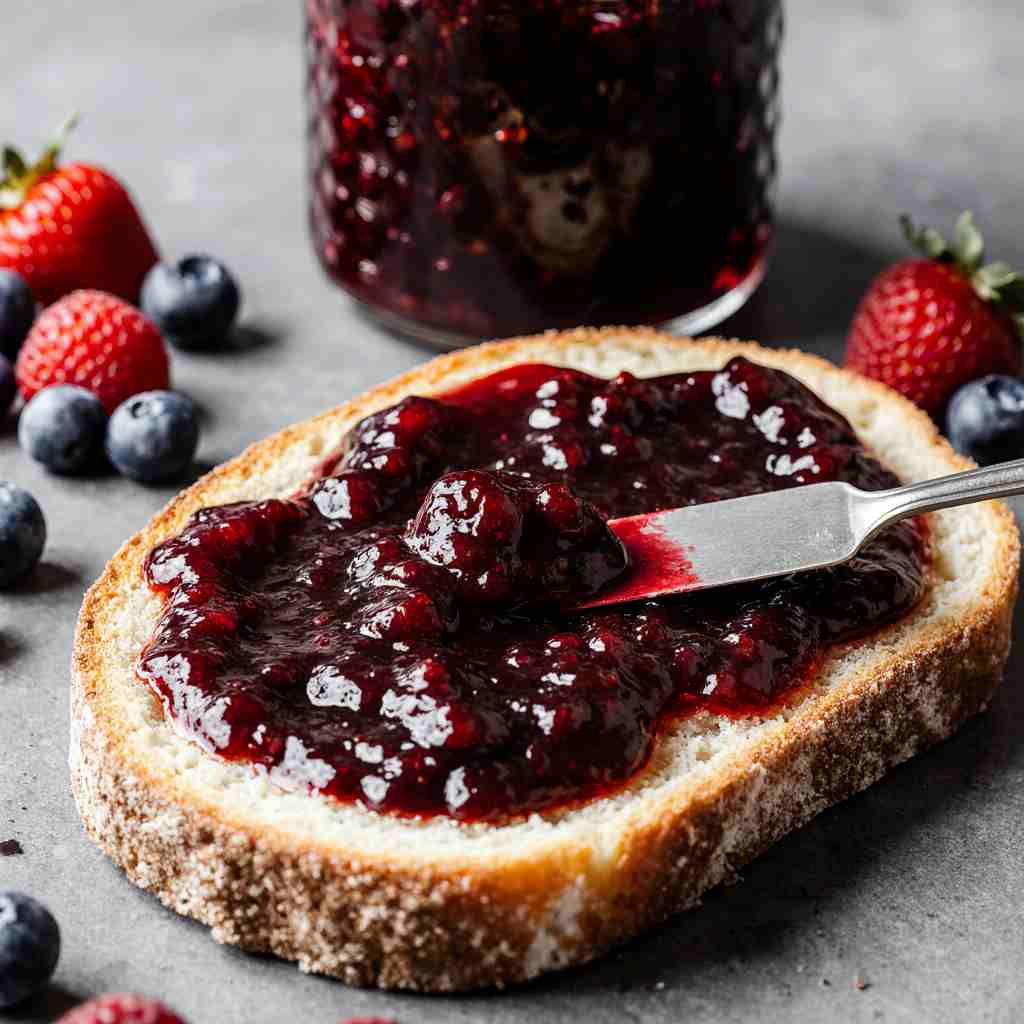
With patience, attention to detail, and high-quality berries, you can create a beautiful and delicious jam that is both satisfying to make and a delight to eat. The traditional method allows the authentic taste of the berries to shine through, offering a taste experience far superior to store-bought alternatives. Enjoy the process, experiment with different berry combinations, and savor the fruits of your labor!
Read more also:
- Strawberry Vanilla Bean Jam Recipe
- No-Sugar Added Strawberry Jam
- Peach and Lavender Jam
- Canning Fruit Syrups Homemade Recipe
- Our Pinterest
Berry Jam Without Pectin FAQs:
Q: Can I use frozen berries?
A: Yes, you can use frozen berries, but keep in mind that they may release more liquid during cooking, which could potentially affect the setting of the jam. You may need to cook the jam for a longer period to achieve the correct consistency. Thaw the berries completely before using and drain off excess liquid.
Q: My jam didn’t set. What did I do wrong?
A: There are several reasons why your jam might not have set:
- Insufficient Cooking Time: You may not have cooked the jam long enough to reach the setting point.
- Low Pectin Berries: The berries you used might have had low pectin content. Try using a combination of berries that are known for their high pectin content, such as raspberries or cranberries.
- Too Much Water: Too much added water will inhibit gel formation.
- Imprecise Ingredients Measurement: Inaccurate measures of the ingredients.
Q: Can I reduce the amount of sugar?
A: While you can slightly reduce the amount of sugar, remember that sugar is essential for preserving the jam and activating the natural pectin. Reducing the sugar significantly may affect the setting and shelf life of the jam. If you want to reduce the sugar content, consider using a sugar substitute designed for jam making.
Q: How long will the jam last?
A: Properly sealed jars of jam can last up to a year in a cool, dark place. Once opened, refrigerate the jam and use it within a few weeks.
Q: Can I make this jam with only one type of berry?
A: Yes, you can! Experiment with different single-berry jams to discover your favorite flavor. Keep in mind that some berries have higher pectin content than others, so you may need to adjust the cooking time accordingly.
Q: Do I really need to sterilize the jars?
A: Yes, sterilizing the jars is essential for preventing mold and bacteria growth, which can spoil the jam. It’s a crucial step for ensuring the safety and longevity of your homemade preserve.
Q: Can I use this jam in other recipes?
A: Absolutely! This jam is delicious on toast, scones, and muffins. You can also use it as a filling for cakes and pastries, swirl it into yogurt or oatmeal, or use it as a glaze for meats. The possibilities are endless!