
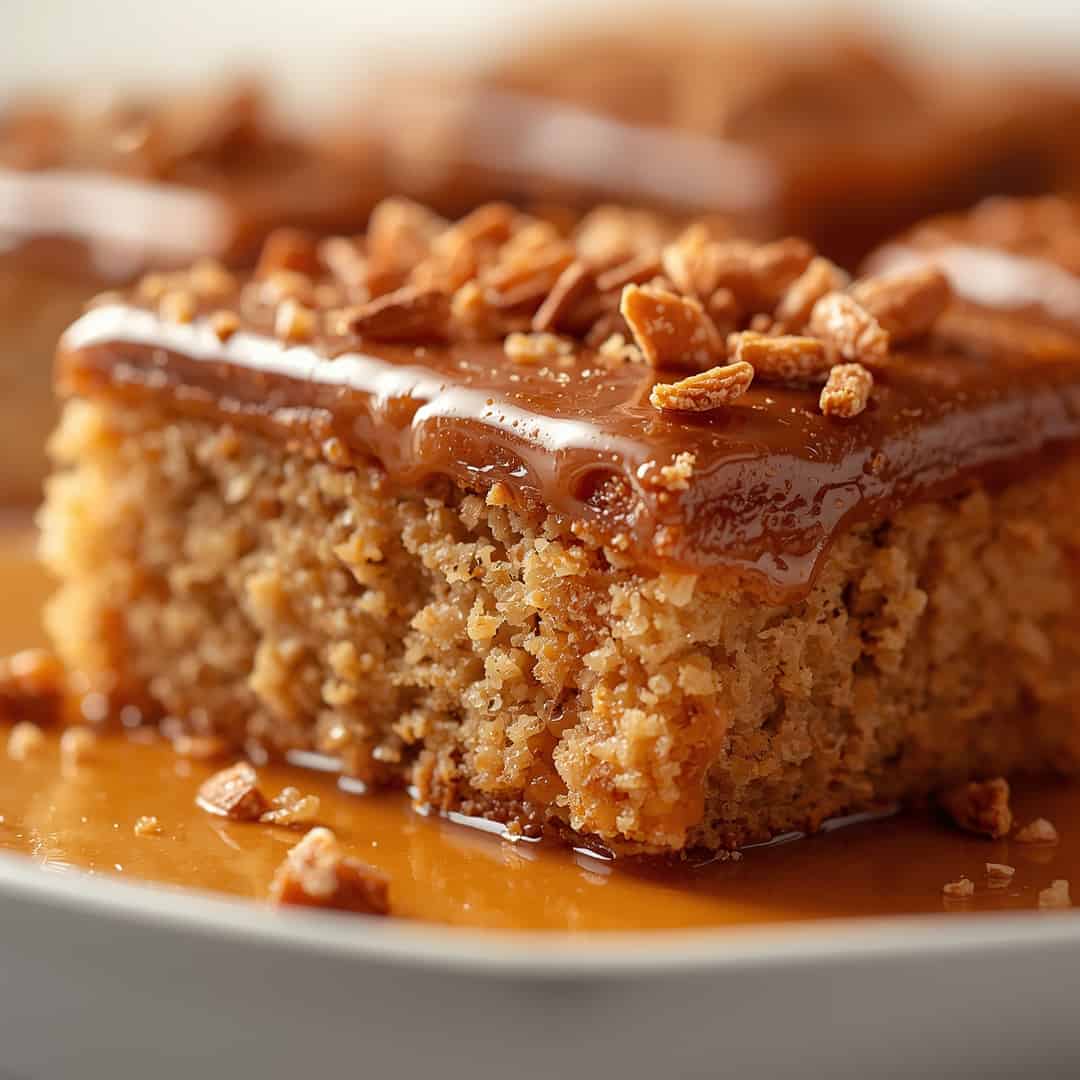
This Biscoff Cake Recipe is your direct ticket to a delightfully moist, warmly spiced cake infused with the irresistible caramelized biscuit flavor of Biscoff. It’s the perfect easy-to-make dessert for any occasion, offering a sophisticated taste with minimal effort.
Key Ingredients for Biscoff Cake Recipe
- 250g all-purpose flour, sifted
- 1 ½ teaspoons baking powder
- ½ teaspoon baking soda
- ½ teaspoon salt
- 175g unsalted butter, softened
- 200g granulated sugar
- 2 large eggs, room temperature
- 1 teaspoon vanilla extract
- 240ml buttermilk, room temperature
- 150g Biscoff spread (smooth or crunchy), softened and slightly warmed
- 100g Biscoff cookies, finely crushed, plus extra for garnish
- For the Biscoff Frosting (Optional but highly recommended):
- 150g unsalted butter, softened
- 300g powdered sugar, sifted
- 50g Biscoff spread, softened
- 2-3 tablespoons milk or cream
- ½ teaspoon vanilla extract
How to Make Biscoff Cake Recipe
Get ready for a truly delightful baking experience with this Biscoff Cake Recipe. It’s incredibly easy to make, resulting in a cake that’s not only visually appealing with its warm, comforting hues but also boasts an unbelievably rich, moist texture that melts in your mouth. You’ll be amazed at how simple it is to achieve such deep Biscoff flavor. This recipe comes together in about 20 minutes of active prep time, making it perfect for busy bakers.
Step-by-Step Instructions
- Preheat your oven and prepare the cake pans: Preheat your oven to 180°C (160°C fan/350°F/Gas Mark 4). Lightly grease and flour two 8-inch round cake pans, or line them with parchment paper. This step ensures your beautiful Biscoff cakes won’t stick.
- Combine dry ingredients: In a medium bowl, whisk together the sifted all-purpose flour, baking powder, baking soda, and salt. Set aside.
- Cream butter and sugar: In a large mixing bowl, cream together the softened unsalted butter and granulated sugar using an electric mixer on medium speed until light and fluffy, about 3-5 minutes. This process incorporates air, contributing to the cake’s wonderful texture.
- Add eggs and vanilla: Beat in the eggs one at a time, mixing well after each addition. Stir in the vanilla extract. Scrape down the sides of the bowl as needed.
- Incorporate the Biscoff: In a separate small bowl, gently warm the Biscoff spread until it’s smooth and easily pourable (don’t overheat, just enough to make it manageable). Add the slightly warmed Biscoff spread to the butter and sugar mixture and beat until thoroughly combined. The batter will turn a beautiful caramel color.
- Alternate dry and wet ingredients: Gradually add the dry ingredients to the wet ingredients in three additions, alternating with the buttermilk in two additions, beginning and ending with the dry ingredients. Mix on low speed until just combined after each addition. Crucially, do not overmix, as this can lead to a tough cake. After the last addition of dry ingredients, gently fold in the finely crushed Biscoff cookies.
- Divide and bake: Divide the batter evenly between the prepared cake pans. Smooth the tops with a spatula.
- Bake the cakes: Bake for 25-30 minutes, or until a wooden skewer or toothpick inserted into the center of the cakes comes out clean. Baking times can vary, so keep an eye on them.
- Cool the cakes: Let the cakes cool in their pans for 10-15 minutes before inverting them onto a wire rack to cool completely. It’s essential for the cakes to be fully cool before frosting.
- Prepare the Biscoff Frosting (if using): While the cakes are cooling, prepare your frosting. In a large bowl, beat the softened butter until creamy. Gradually add the sifted powdered sugar, mixing until combined. Add the softened Biscoff spread, vanilla extract, and 2 tablespoons of milk, and beat until smooth and fluffy. Add more milk, a teaspoon at a time, if needed to reach your desired consistency.
- Assemble and decorate: Once the cakes are completely cool, place one cake layer on your serving plate. Spread a generous amount of frosting over the top. Place the second cake layer on top. Frost the entire cake with the remaining Biscoff frosting. Garnish with extra crushed Biscoff cookies or whole Biscoff biscuits for a stunning finish.
Why You’ll Love This Biscoff Cake Recipe
You are going to absolutely adore this Biscoff Cake Recipe because it delivers an intensely rich, spiced cookie flavor that’s utterly unique and wonderfully comforting. Unlike a simple vanilla cake, the distinct caramelized notes of Biscoff spread dance through every moist bite, creating a truly memorable dessert experience. Plus, making this delightful cake at home is significantly more budget-friendly than purchasing a specialty cake from a bakery, allowing you to enjoy gourmet flavors without the premium price tag. The optional creamy Biscoff frosting is the perfect sweet embrace for the cake, studded with cookie crumbles for added texture and flavor.
If you’re a fan of spiced cakes or appreciate the unique taste of Speculoos cookies, this recipe is a must-try. It’s simpler to execute than many elaborate layered cakes but yields a result that looks and tastes incredibly impressive. Forget those store-bought baked goods; this homemade Biscoff Cake Recipe is sure to become your new go-to for impressing guests or simply treating yourself to something special. Give it a whirl and prepare to be delighted by its warmth and incredible flavor!
Storing and Reheating Tips
Room Temperature Storage: If your cake has a buttercream frosting (especially one made with butter and Biscoff spread), it can typically be stored at room temperature for 1-2 days if:
- It’s in an airtight container.
- Your kitchen is cool and not humid.
- Note: This is less ideal in warmer climates or during summer months.
Refrigeration: For optimal freshness and to prevent spoilage, it’s best to refrigerate your Biscoff cake.
- Method: Cover the cake tightly with plastic wrap or store it in an airtight cake carrier or container. Ensure the frosting is set before covering.
- Duration: Your Biscoff cake should stay fresh in the refrigerator for up to 3-4 days.
Reheating: Reheating is generally not necessary for cakes unless they’ve become very cold or you prefer a slightly warmer treat. Most people enjoy this cake at room temperature or slightly chilled. If you do want to warm it slightly:
- Small Slices: You can gently warm individual slices in a low-heat oven (around 150°C/300°F) for a few minutes until just slightly warm, or even microwave for a few seconds, being very careful not to overheat, which can dry out the cake.
Freezing: This cake freezes beautifully and is a fantastic way to prepare a treat in advance.
- Method (Whole Cake): Ensure the cake is completely cooled and the frosting is firm. Wrap the entire cake tightly first in plastic wrap, then in a layer of aluminum foil.
- Method (Slices): Wrap individual slices tightly in plastic wrap, then place them in a freezer-safe bag or container.
- Duration: Frozen Biscoff cake can be stored for up to 2 months.
Thawing: To thaw, remove the cake or slices from the freezer and let them come to room temperature on the counter. Thaw frosted cakes in the container or with the wraps still on to help prevent condensation. It’s best to thaw overnight in the refrigerator for frosted cakes to allow the frosting to firm up again.
Final Thoughts
This Biscoff Cake Recipe is a true crowd-pleaser, capturing the warm, spiced magic of Biscoff in every delightful bite. It’s a simple yet incredibly satisfying bake that’s perfect for bakers of all levels. Dive in and enjoy creating this delicious dessert!
Read more also:
- Sugar Cookie Cheesecake
- Best German Chocolate Cake
- Hot Cocoa Poke Cake
- Tasty Tiramisu Yule Log Cake
- Boozy Eggnog Bundt Cake
- Our Pinterest
Biscoff Cake Recipe
Ingredients
Equipment
Method
- Preheat your oven to 180°C (160°C fan/350°F/Gas Mark 4). Lightly grease and flour two 8-inch round cake pans, or line them with parchment paper.
- In a medium bowl, whisk together the sifted all-purpose flour, baking powder, baking soda, and salt. Set aside.250 g all-purpose flour, 1.5 tsp baking powder, 0.5 tsp baking soda, 0.5 tsp salt
- In a large mixing bowl, cream together the softened unsalted butter and granulated sugar using an electric mixer on medium speed until light and fluffy, about 3-5 minutes.175 g unsalted butter, 200 g granulated sugar
- Beat in the eggs one at a time, mixing well after each addition. Stir in the vanilla extract. Scrape down the sides of the bowl as needed.2 large eggs, 1 tsp vanilla extract
- Gently warm the Biscoff spread until it’s smooth and easily pourable (don’t overheat, just enough to make it manageable). Add the slightly warmed Biscoff spread to the butter and sugar mixture and beat until thoroughly combined.150 g Biscoff spread
- Gradually add the dry ingredients to the wet ingredients in three additions, alternating with the buttermilk in two additions, beginning and ending with the dry ingredients. Mix on low speed until just combined after each addition. After the last addition of dry ingredients, gently fold in the finely crushed Biscoff cookies.250 g all-purpose flour, 1.5 tsp baking powder, 0.5 tsp baking soda, 0.5 tsp salt, 240 ml buttermilk, 100 g Biscoff cookies
- Divide the batter evenly between the prepared cake pans. Smooth the tops with a spatula.
- Bake for 25-30 minutes, or until a wooden skewer or toothpick inserted into the center of the cakes comes out clean.
- Let the cakes cool in their pans for 10-15 minutes before inverting them onto a wire rack to cool completely.
- In a large bowl, beat the softened butter until creamy. Gradually add the sifted powdered sugar, mixing until combined. Add the softened Biscoff spread, vanilla extract, and 2 tablespoons of milk, and beat until smooth and fluffy. Add more milk, a teaspoon at a time, if needed to reach your desired consistency.150 g unsalted butter, 300 g powdered sugar, 50 g Biscoff spread, 2-3 tablespoons milk or cream, 0.5 tsp vanilla extract
- Once the cakes are completely cool, place one cake layer on your serving plate. Spread a generous amount of frosting over the top. Place the second cake layer on top. Frost the entire cake with the remaining Biscoff frosting. Garnish with extra crushed Biscoff cookies or whole Biscoff biscuits for a stunning finish.100 g Biscoff cookies