
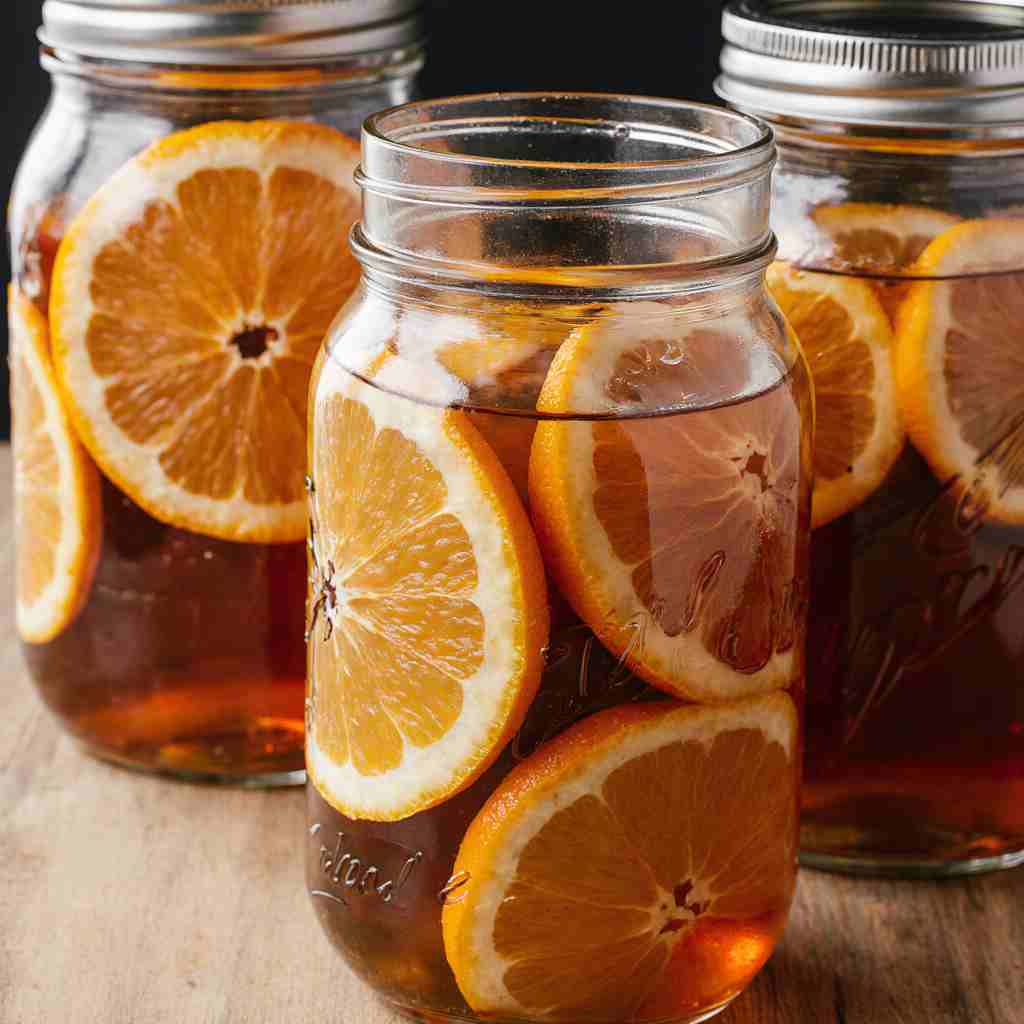
Canning citrus fruits is a simple and rewarding way to preserve the bright, zesty flavors of oranges, lemons, and grapefruit all year long. This homemade canning method locks in freshness and adds a touch of sweetness with a light syrup, making every jar a burst of sunshine.
Whether you’re preparing juicy orange segments, tangy lemon slices, or vibrant grapefruit wedges, this easy canning recipe ensures you always have delicious, ready-to-eat citrus on hand. Perfect for desserts, breakfasts, or snacks, this is your ultimate guide to preserving citrus like a pro.
Table of Contents
What is Canning Citrus Fruits?
Canning citrus fruits allows you to enjoy the vibrant tastes of summer (or wherever citrus thrives!) long after the season has passed. Whether you’re canning orange segments in a light syrup, lemon slices for a marmalade, or grapefruit wedges to add zing to your desserts, the process involves sealing the fruit in sterilized jars and heating them to create a vacuum seal.
This prevents spoilage and preserves the flavor for an extended period. It’s a fantastic way to reduce food waste, have a ready supply of healthy snacks, and control the ingredients that go into your food. Citrus canning is also a gateway to making delicious homemade jams, jellies, and preserves with a bright, refreshing flavor. Ready to capture sunshine in a jar? Give it a try!
Key Ingredients for Canning Citrus Fruits:
This recipe yields approximately 4 pint jars of canned citrus fruit. Adjust the quantities based on the specific citrus you are using.
- Oranges, Lemons, or Grapefruit (about 6-8 lbs): Select firm, ripe fruits with no blemishes. The amount will depend on the size of the fruit and the way you cut them (segments, slices, etc.). Make sure you have enough to fill about 4-pint jars when processed.
- Water: Used for the light syrup.
- Granulated Sugar (2 cups): For the light syrup. Adjust the amount depending on your desired sweetness. You can also use honey or other sweeteners but altering the sugar content may change the preservation quality.
- Citric Acid (Optional – 1/4 teaspoon per pint jar): Added to increase acidity, especially for oranges and grapefruit which can be lower in acid, ensuring safer preservation.
- Cinnamon Sticks, Star Anise, or Vanilla Bean (Optional): For added flavor. Use one small cinnamon stick, one star anise pod, or a small scrape of vanilla bean per jar.
- Pectin (Optional): If you’re making marmalade or jam. Follow the instructions on your pectin package.
How to Make Canning Citrus Fruits:
Canning citrus fruits is easier than you might think, and the results are well worth the effort. The process involves preparing a simple syrup, carefully packing the citrus segments, slices, or wedges into sterilized jars, and processing them in a boiling water canner.
Simplicity is key, and the bright, tangy flavor makes this treat incredibly satisfying, particularly during the colder months. With around 2-3 hours of preparation and processing time, you’ll have a pantry filled with preserved citrus ready to enjoy!
Step-by-Step Instructions:
- Prepare the Jars and Lids: Wash canning jars, lids, and bands with hot, soapy water. Rinse well. Sterilize the jars by boiling them in a boiling water canner for 10 minutes. Keep the jars hot until ready to use. You can leave them in the hot canner with the heat off, or in a warm oven (200°F/93°C). Place the lids in a small saucepan and heat until simmering (do not boil).
- Prepare the Citrus: Wash the citrus fruits thoroughly. Depending on your preference, peel and segment oranges and grapefruit, or carefully slice lemons into uniform rounds. Remove any seeds from oranges and grapefruit. For lemons, you can leave the seeds in if you want a bit of a bitter flavor, but removing them is generally recommended for easier consumption.
- Make the Syrup: In a large saucepan, combine the water and sugar. Bring to a boil, stirring until the sugar is completely dissolved. Reduce heat and simmer for 5 minutes. Add the optional citric acid to the syrup. For additional flavor, add a cinnamon stick, star anise, or a small scraped vanilla bean to the syrup. These can either be removed before canning or one added to each jar.
- Pack the Jars: Remove the hot jars from the canner or oven. Carefully pack the citrus segments, slices, or wedges into the hot jars, leaving ½ inch of headspace. Headspace is the space between the top of the food and the lid of the jar.
- Pour Syrup Over Citrus: Ladle the hot syrup over the citrus in each jar, leaving ½ inch of headspace. Slide a non-metallic spatula or bubble freer down the inside of the jar to release any trapped air bubbles. Recheck headspace and add more syrup if necessary.
- Wipe the Jar Rims: Use a clean, damp cloth to wipe the rims of the jars clean. This is crucial for a good seal.
- Place Lids and Bands: Place a sterilized lid on each jar. Screw on the band until fingertip tight. Do not overtighten.
- Process in a Boiling Water Canner: Carefully place the jars into the boiling water canner, ensuring they are completely covered by at least 1 inch of water. Bring the water to a rolling boil.
- Processing Time: Process pint jars for 10 minutes. Adjust processing time for altitude. Add 1 minute for every 1,000 feet above sea level.
- Cool and Check Seals: Turn off the heat and carefully remove the jars from the canner using a jar lifter. Place them on a towel-lined surface, leaving at least 1 inch of space between the jars. Let the jars cool completely for 12-24 hours undisturbed. Do not tighten the bands during this time. After cooling, check the seals by pressing down on the center of each lid. If the lid does not flex, it is properly sealed. If the lid flexes or pops, it is not sealed and needs to be reprocessed with a new lid or stored in the refrigerator and used within a few weeks.
- Store the Jars: Remove the bands, wash the jars (to remove any sticky residue), label each jar with the date and contents, and store in a cool, dark, dry place.
Why You’ll Love This Canning Citrus Fruits Recipe
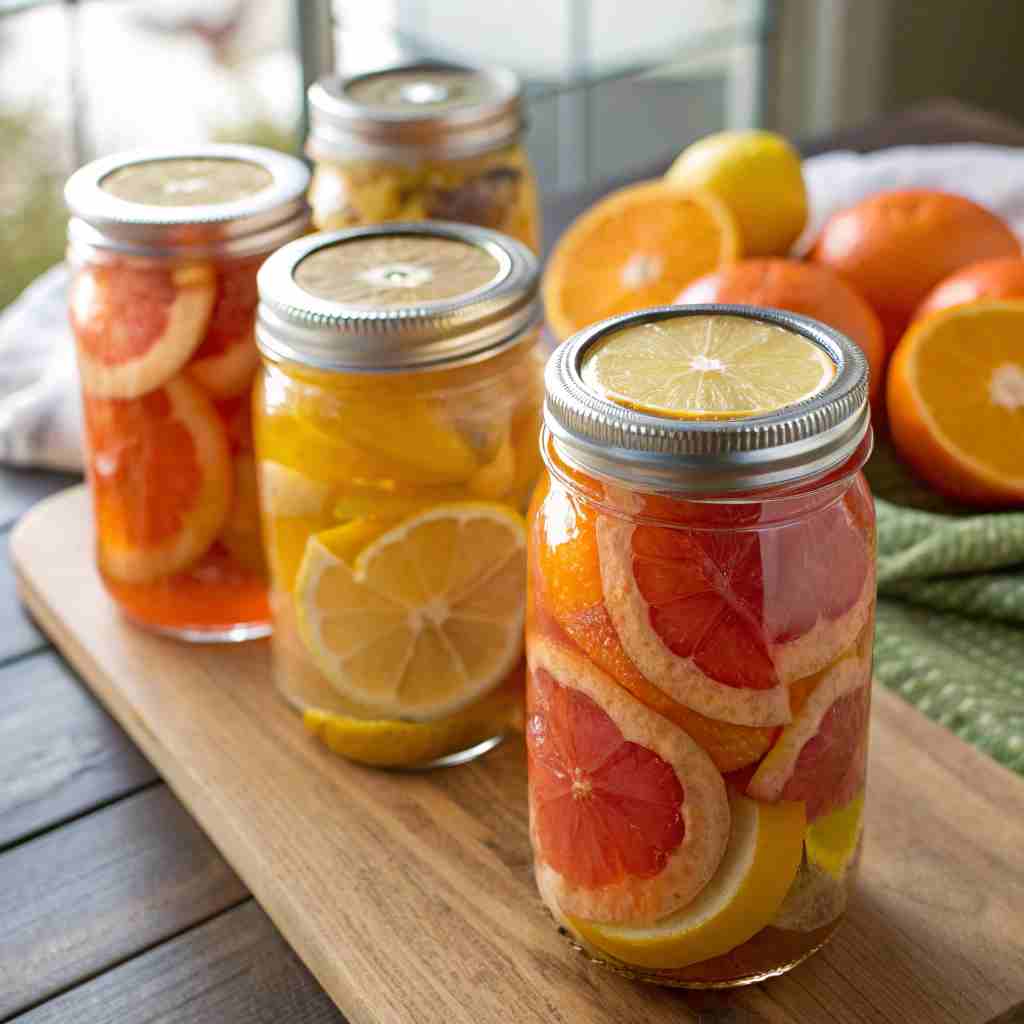
This Canning Citrus Fruits recipe is a game-changer for several reasons. First and foremost, the bright, tangy flavor of preserved citrus elevates any dish or snack. Imagine having juicy orange segments in the dead of winter, or tangy lemon slices to brighten up your tea! Second, it’s incredibly cost-effective. Buying citrus in bulk during peak season and preserving it yourself saves money compared to buying canned or pre-packaged versions. Finally, the simple syrup infused with cinnamon, star anise or vanilla bean (optional) adds a layer of aromatic complexity that’s simply irresistible.
Think of it as a more sophisticated alternative to plain canned fruit cocktail. While fruit cocktail can be convenient, this canned citrus recipe allows you to control the ingredients and the level of sweetness, resulting in a healthier and tastier treat. Ready to enjoy the sunshine year-round? Gather your citrus and get canning!
What to Serve Canning Citrus Fruits With:
Canned citrus fruits are incredibly versatile! Here are a few serving suggestions:
- Desserts: Top yogurt, ice cream, or cakes with canned oranges, lemons, or grapefruit.
- Breakfast: Add canned citrus to your morning oatmeal or granola.
- Cocktails: Use canned lemons for a citrusy kick in your favorite cocktails and mixed drinks.
- Salads: Add segments or slices of canned citrus to salads for a burst of flavor.
- Gifts: Pack jars of canned citrus in a gift basket for a homemade touch.
Top Tips for Perfecting Canning Citrus Fruits:
- Choose the Right Citrus: Select ripe, firm citrus fruits with no blemishes for the best flavor and texture.
- Adjust Sweetness to Taste: The sugar content in the syrup can be adjusted to your liking. Use less sugar for a tarter preserve, or more for a sweeter treat.
- Add Citric Acid: Especially for oranges and grapefruit, adding citric acid ensures proper acidity and safer preservation.
- Use Distilled Water: Using distilled water for the syrup can help prevent cloudiness in the jars.
- Don’t Overcrowd the Jars: Pack the fruit into the jars tightly, but be sure to leave enough headspace for proper sealing.
- Process Jars Properly: Follow the recommended processing times for your altitude to ensure a safe and long-lasting product.
- Listen for the Pop: As the jars cool, you should hear a “pop” as the lids seal. This is a good indicator that the canning process was successful.
Health Benefits of Canning Citrus Fruits:
Canning preserves many of the vital components of citrus fruits. These are rich in vitamin C, a potent antioxidant crucial for immune function, skin health, and iron absorption. Moreover, citrus fruits contain flavonoids such as hesperidin, naringenin, and quercetin, which exhibit anti-inflammatory and cardiovascular benefits.
The fiber in these fruits supports digestive well-being and assists in maintaining healthy cholesterol levels. By canning them, you may sustain access to these essential nutrients all year.
Storing and Reheating Tips:
Storing: Properly sealed jars of canned citrus fruits can be stored in a cool, dark, and dry place for up to 12 months. Once opened, refrigerate the jar and consume within 2-3 weeks. Ensure the lid is on tight. Always check for signs of spoilage, such as mold, unusual odor, or a bulging lid, before consuming. If any of these signs are present, discard the contents.
Reheating: Canned citrus typically does not require reheating, as it is best enjoyed chilled or at room temperature. However, if you prefer to gently warm the citrus, you can do so in a saucepan over low heat. Avoid boiling, as this can destroy the texture and flavor.
Final Thoughts:
Canning Citrus Fruits is a rewarding endeavor that brings the bright flavors of oranges, lemons, and grapefruits to your table year-round. With this detailed guide and a few simple ingredients, you can transform beautiful fruits into delicious preserves that will brighten up your breakfast, desserts, salads, and much more. Don’t forget to add your personal touch with spices or herbs to create unique flavor combinations. Happy canning!
Read more also:
- Strawberry Vanilla Bean Jam Recipe
- No-Sugar Added Strawberry Jam
- Peach and Lavender Jam
- Canning Fruit Syrups Homemade Recipe
- Our Pinterest
Canning Citrus Fruits FAQs:
Q: Can I use different types of sugar?
A: While granulated sugar is commonly used, you can substitute with honey or other sweeteners. Be aware that this may affect the flavor, texture, and shelf life of the canned fruit.
Q: Do I need to add citric acid to all citrus fruits?
A: Citric acid is recommended, especially for oranges and grapefruit, as they are naturally lower in acid. Adding citric acid ensures proper acidity for safe preservation.
Q: How long will canned citrus fruits last?
A: Properly canned and sealed jars can last up to 12 months in a cool, dark, and dry place. Once opened, refrigerate and consume within 2-3 weeks.
Q: What if the jars don’t seal?
A: If the jar doesn’t seal, you have a few options. You can reprocess it with a new lid within 24 hours, or you can store it in the refrigerator and consume it within a few weeks.
Q: Can I can citrus fruit without sugar?
A: Yes, you can can citrus fruit without sugar. You’ll need to use a hot water bath canning process to ensure the fruit is properly preserved. You can use water, juice, or a sugar substitute.
Q: What do I do with the leftover syrup?
A: The leftover syrup is a delicious addition to beverages, desserts, or even savory dishes. Consider stirring it into cocktails, drizzling it over pancakes or waffles, or using it as a glaze for grilled meats. Stored in a sealed container in the refrigerator, the syrup can last for several weeks.