
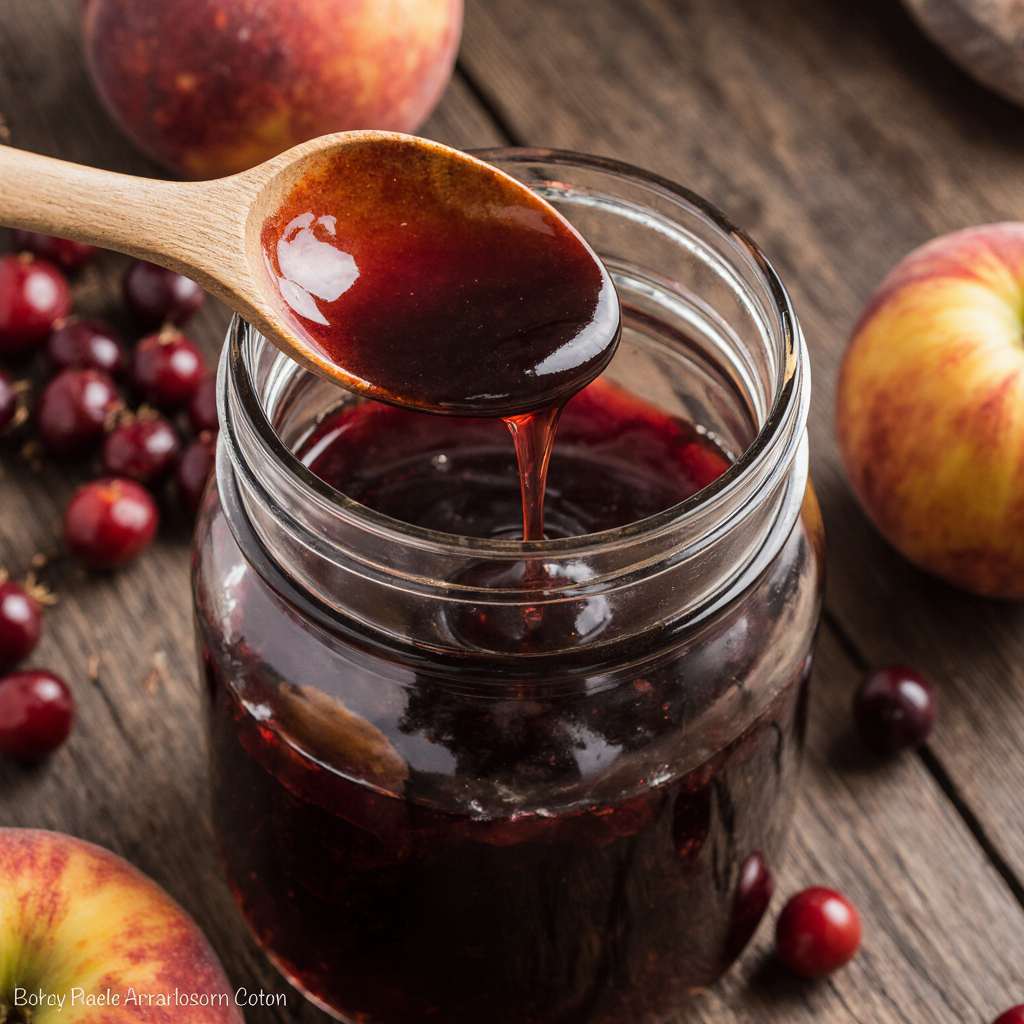
Canning fruit syrups is a simple and rewarding way to preserve the sweet, vibrant flavors of fresh fruit so you can enjoy them year-round. This recipe guides you step by step in making homemade fruit syrups with just fruit, sugar, water, and lemon juice, then safely sealing them with a boiling water bath method.
Perfect for topping pancakes, waffles, and ice cream, or adding a fruity twist to drinks and cocktails, these syrups are versatile and delicious. With just a little effort, you can stock your pantry with jars of seasonal flavor that last up to a year.
Table of Contents
What is Canning Fruit Syrups?
Canning Fruit Syrups is more than just making a sweet liquid; it’s a method of preserving the intense flavor of fresh fruit to enjoy long after the season ends. By cooking fruit with sugar and water, then processing the mixture in a boiling water bath, you create a shelf-stable syrup that can be stored for months. This is a great way to enhance your everyday meals, snacks, and beverages.
Not only do these syrups extend the shelf life of in-season produce, but they also provide a blank canvas for creativity. Imagine homemade raspberry syrup on your waffles, a blackberry syrup in your cocktails, or a peach syrup enriching your ice cream! Don’t wait, try canning fruit syrups and bring the flavors of the season to your fingertips at any time!
Key Ingredients for Canning Fruit Syrups:
- Fresh Fruit (5 lbs): This is the star! Use your favorite in-season fruits like berries (strawberries, raspberries, blueberries, blackberries), stone fruits (peaches, plums, apricots, cherries), or even grapes. Be sure to choose ripe, unblemished fruit for the best flavor and quality. Wash thoroughly before using. For delicate fruits like raspberries and blackberries, gently rinse to avoid bruising.
- Granulated Sugar (4-6 cups): The amount of sugar will depend on the sweetness of the fruit and your personal preference. Start with 4 cups and adjust to taste after the fruit has cooked down. Remember, sugar is vital, not just for sweetness, but also as a preservative in canning.
- Water (4 cups): Use filtered water for the best clarity and taste.
- Lemon Juice (2 tablespoons per quart): This is crucial for safety! Lemon juice adds acidity, which helps to safely preserve the syrup and prevent the growth of harmful bacteria. Use bottled lemon juice for consistency in acidity levels.
- (Optional) Spices (Cinnamon sticks, vanilla bean) : Adding spices might give a good twist in your syrup.
How to Make Canning Fruit Syrups:
This syrup is a simple way to preserve fruits, offering incredible flavor. With just a few quality ingredients and simple tools you can make and enjoy this delicious, satisfying syrups. The entire process takes about 1 hour, 30 minutes (including prep and processing time). The preparation of the fruits takes about 15 minutes.
Cooking the syrup take 45 minutes. Then processing the jars may take 30 minutes depending on the quantity of syrups you decided to make.
Step-by-Step Instructions:
- Prepare the Fruit: Wash your chosen fruit thoroughly. Depending on the fruit, you may need to hull strawberries, pit cherries or plums, or remove stems from grapes. For larger fruits like peaches, plums, or apricots, chop them into smaller pieces to help release their juices.
- Combine Ingredients and Cook: In a large, non-reactive saucepan (stainless steel or enamel-coated), combine the prepared fruit, water, and lemon juice. Gently crush some of the fruit with a potato masher or the back of a spoon to release their juices. This helps to create a more flavorful syrup. A tip is to use a blender for a more liquid effect.
- Bring to a Boil: Place the saucepan over medium-high heat and bring the mixture to a rolling boil, stirring occasionally to prevent sticking.
- Simmer and Infuse: Once boiling, reduce the heat to low and allow the mixture to simmer gently for about 15-20 minutes, or until the fruit is soft and has released its juices. Stir occasionally to prevent scorching. Taste the mixture and add sugar, 1/2 cup at a time, until you reach your desired sweetness. Stir well to dissolve the sugar. Continue to simmer for another 5-10 minutes, allowing the sugar to fully incorporate into the syrup.
- Strain the Syrup (Optional): For a clear syrup, strain the mixture through a cheesecloth-lined sieve or a jelly bag. This will remove any pulp or seeds. If you prefer a syrup with a bit of fruit pulp, you can skip this step. Important Note: If you are leaving the fruit pulp in the syrup, be extra careful to process the jars for the recommended time to ensure safe preservation.
- Prepare Canning Equipment: While the syrup is simmering, prepare your canning equipment. Wash canning jars, lids, and bands in hot, soapy water. Rinse well and sterilize the jars by boiling them in a large pot of water for 10 minutes. Keep the jars hot until ready to fill. Heat the lids in a separate saucepan of simmering water (not boiling) to soften the sealing compound.
- Fill the Jars: Using a canning funnel, carefully ladle the hot syrup into the sterilized jars, leaving 1/4 inch of headspace (the space between the top of the syrup and the rim of the jar). Remove any air bubbles by gently tapping the jar on the counter or using a non-metallic utensil. Wipe the rim of each jar with a clean, damp cloth to ensure a good seal.
- Seal the Jars: Place a lid on each jar and screw on a band until fingertip tight (not too tight, as this can prevent proper sealing).
- Process in a Boiling Water Bath: Place the filled jars in a boiling water bath canner, ensuring that they are covered by at least 1 inch of water. Bring the water to a rolling boil and process the jars for the following times, adjusting for altitude:
Pints (and smaller):
- 0-1000 feet: 10 minutes
- 1001-6000 feet: 15 minutes
- Above 6000 feet: 20 minutes
Quarts:
- 0-1000 feet: 15 minutes
- 1001-6000 feet: 20 minutes
- Above 6000 feet: 25 minutes
- Cool and Check Seals: Turn off the heat and carefully remove the jars from the canner using a jar lifter. Place the jars on a towel-lined surface to cool completely, undisturbed, for 12-24 hours. As the jars cool, you should hear a “popping” sound, which indicates that the lids have sealed properly. After 24 hours, check the seals by pressing down on the center of each lid. If the lid doesn’t flex or give, it’s sealed. If the lid flexes, it didn’t seal properly.
- Store Properly Sealed Jars: Remove the bands from the sealed jars (this prevents rust) and store them in a cool, dark, and dry place. Properly canned fruit syrups can be stored for up to a year. Any unsealed jars should be refrigerated immediately and used within a few weeks.
Final Thoughts
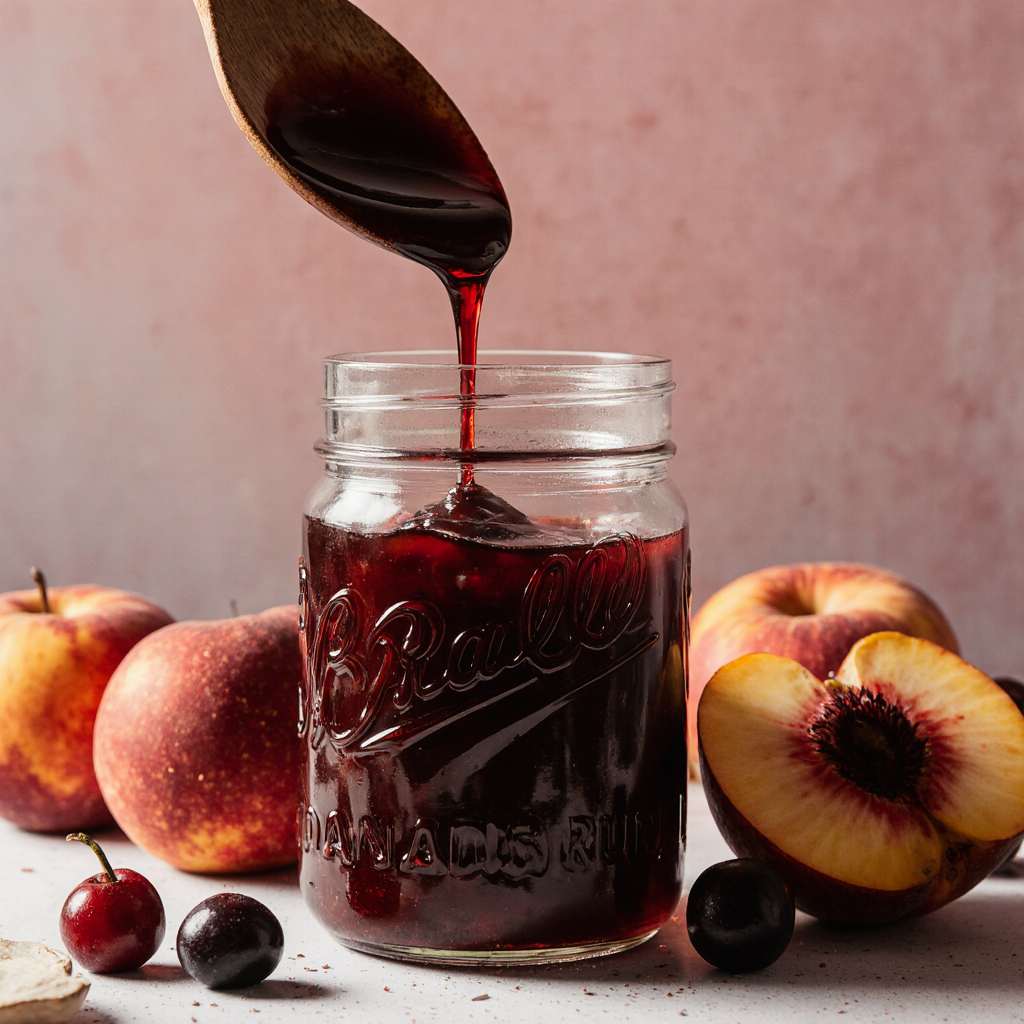
Canning Fruit Syrups is a delicious and rewarding way to preserve the flavors of summer and enjoy them year-round. Remember to always follow safe canning practices to ensure the syrups are safe to eat.
Get creative with your flavor combinations and enjoy the fruits of your labor! The possibilities are endless, so start experimenting and discover your favorite homemade syrup today. Think of a strawberry-rhubarb syrup, a ginger-pear syrup or even with a hint in pepper. All you need is a good testing.
Read more :
Canning Fruit Syrups FAQs
Can I use frozen fruit for canning syrups?
Yes, you can! Thaw the fruit completely before using in the recipe and drain off any excess liquid. Be aware that frozen fruit might release more liquid than fresh fruit, so you might need to adjust the amount of water you use in the recipe.
Can I reduce the amount of sugar in the recipe?
While you can reduce the sugar slightly, remember that sugar acts as a preservative in canning. Using too little sugar can affect the safety and shelf life of the syrup. A general rule is to not reduce the sugar by more than 25%. Consider using a sugar substitute specifically designed for canning, such as Splenda for canning.
What if my syrup is too thick or too thin?
If your syrup is too thick, add a little bit more water and simmer for a few minutes to adjust the consistency. If your syrup is too thin, simmer it for a longer period to allow the liquid to evaporate and the syrup to thicken.