
Canning strawberries is a fantastic way to preserve the sweet, vibrant flavor of fresh berries to enjoy year-round. This straightforward recipe guides you through the essential steps for safe and delicious home canning, ensuring you have a pantry full of sunshine-ready treats for jams, desserts, and more.
Key Ingredients for Canning Strawberries
- 1 quart (approximately 2.25 lbs) fresh, ripe strawberries, hulled and washed
- 1 cup granulated sugar (adjust to taste if desired, but not recommended for optimal preservation of whole strawberries)
- 1/2 cup boiling water (for hot water bath canning)
- 1/4 cup lemon juice (bottled is fine, for pH adjustment and flavor)
- Additional water, as needed, for canning liquid
How to Make Canning Strawberries
Preserving the essence of summer is incredibly rewarding with this simple canning strawberries method. You’ll achieve perfectly preserved berries with minimal fuss, ready to elevate your breakfast, baking, or snacking. This process takes approximately 1 hour and 30 minutes, including preparation and processing time, making it an achievable weekend project.
Step-by-Step Instructions
Prepare Your Equipment: Ensure you have all your canning equipment ready and sterilized. This includes canning jars (pint or half-pint size are ideal for strawberries), lids, and bands. Jars and lids should be washed and then submerged in simmering water (around 180°F or 82°C) in a large pot for at least 10 minutes to sterilize. Keep the jars warm until ready to fill. Have a large pot or Dutch oven for blanching (optional) and a water bath canner with a rack, or a deep pot large enough to fully submerge your jars with at least 1-2 inches of water above them.
Prepare the Strawberries: Gently wash your strawberries under cool running water and hull them (remove the green tops). For whole strawberries, choose medium to large berries that maintain their shape well. You can leave them whole, halve them, or quarter them depending on your preference and the size of your jars. Ensure they are thoroughly drained after washing.
Prepare the Canning Liquid: In a separate bowl or small pot, combine the lemon juice and sugar (if using for a syrup, which is less common for plain canned whole strawberries but can be used for strawberry pie filling types of preservation). If you are aiming for a simple water pack, you will primarily use hot water and lemon juice. For a light syrup (often used for sliced or diced strawberries), combine 1 cup sugar with 2 cups of water and heat until the sugar dissolves. For a medium syrup, use 1.5 cups sugar to 2 cups water; for a heavy syrup, use 2 cups sugar to 2 cups water. Note: For optimal shelf stability and to retain the freshest berry flavor, a water pack with lemon juice and minimal or no added sugar is often preferred for whole canning strawberries as a base for other uses. If you intend to make sweetened jam later, preserving them in a lighter syrup or water pack is best.
Pack the Jars: Carefully fill your sterilized, warm jars with prepared strawberries. Pack them snugly but do not crush the berries. For whole strawberries, place them tightly together. If using sliced or halved berries, distribute them evenly. Leave about 1/2 inch of headspace (the space between the top of the food and the rim of the jar).
Add Canning Liquid and Remove Air Bubbles: Pour the prepared canning liquid (water with lemon juice for a water pack, or your chosen syrup) over the strawberries in each jar. Ensure the liquid covers the berries and reaches the 1/2 inch headspace mark. Use a non-metallic utensil, such as a plastic spatula or a dedicated headspace tool, to gently slide down the sides of the jars. This releases any trapped air bubbles. Add more liquid if necessary to maintain the 1/2 inch headspace.
Wipe Jar Rims and Apply Lids: Carefully wipe the rims of each jar with a clean, damp cloth to remove any food particles or residue. This is crucial for ensuring a good seal. Center a new, sterilized canning lid on top of each jar, then screw on the bands until just fingertip tight. Do not overtighten, as air needs to escape during processing.
Process in a Water Bath Canner: Place the filled jars onto the rack in your water bath canner. Ensure the jars are not touching each other. Add hot water to the canner, making sure it covers the jars by at least 1-2 inches. Bring the water to a rolling boil. Once a rolling boil is achieved, begin timing the processing. For pint jars of strawberries, process for 15 minutes (at altitudes below 1,000 feet). Adjust processing time for higher altitudes as per USDA guidelines.
Cool and Check Seals: After the processing time is complete, carefully turn off the heat and remove the canner lid. Let the jars sit in the hot water for another 5 minutes to help prevent siphoning (liquid loss from the jars). Then, using canning tongs, carefully remove the jars from the canner and place them upright on a towel-lined counter or a cooling rack. Leave at least an inch of space between jars. Allow them to cool undisturbed for 12-24 hours. You may hear popping sounds as the lids seal. Once completely cool, check the seals by pressing down on the center of each lid. If the lid is firm and does not flex, it is sealed.
Label and Store: Remove the bands from sealed jars. Wipe the jars clean and label them with the contents and date of canning. Store your canned strawberries in a cool, dark, and dry place, such as a pantry or basement. Properly canned strawberries can last for 12-18 months.
Why You’ll Love This Canning Strawberries
Preserving your own canning strawberries is wonderfully satisfying, offering a taste of summer sunshine whenever you desire. These beautifully preserved berries retain their natural sweetness and vibrant color, making them a versatile pantry staple far superior to store-bought alternatives. Imagine enjoying homemade strawberry shortcake in the dead of winter or topping your morning oatmeal with a spoonful of pure, unadulterated strawberry goodness, all at a fraction of the cost of purchasing pre-canned fruit. This method is a treasure trove of flavor and savings, transforming a simple fruit into a long-lasting delight.
Unlike the often-mushy texture of some commercially canned fruits, this method aims to preserve the integrity of your strawberries, whether whole or sliced. Think of how you might enjoy fresh strawberries on a cheesecake; now you can replicate that joy any time of year! It’s about cultivating a self-sufficient kitchen and relishing the fruits of your labor. So gather your berries, embrace this rewarding process, and experience the joy of homemade.
Storing and Reheating Tips
- Storage: Once properly canned and sealed, store your jars of canning strawberries in a cool (50-70°F or 10-21°C), dark, and dry location. Avoid storing them in areas prone to extreme temperature fluctuations, such as attics or uninsulated garages. Ensure that the storage area is free from pests.
- Shelf Life: Properly processed and stored canned strawberries are best consumed within 12 to 18 months for optimal quality. They can remain safe to eat beyond this period if the seal remains intact, but the quality (color, texture, and flavor) may degrade over time.
- Checking Seals: Before consuming, always check the lid of each jar. A properly sealed lid should be concave (curved downwards) and should not flex or pop when pressed. Discard any jars with damaged lids, signs of spoilage (cloudy liquid, mold, off-odors), or broken seals.
- Reheating (for enhanced flavor or use in recipes): While canned strawberries don’t typically require reheating if used cold, if you’re incorporating them into a warm dish like a cobbler topping or a warm compote, simply drain them and add them to your recipe. The heat of the dish will gently warm them. For a simple strawberry sauce, gently heat drained strawberries in a saucepan with a little of their own juice or a touch of sweetener until they break down slightly.
- Freezing (if not using immediately or seal is compromised): If you have unsealed jars or plan to use the strawberries within a few months, you can transfer the contents to freezer-safe containers or bags. Remove as much air as possible before sealing. Frozen strawberries will maintain good quality for up to 12 months. Thaw them in the refrigerator before use.
Final Thoughts
Canning strawberries is a beautifully simple way to ensure you have a taste of summer available any day of the year. Embrace this rewarding kitchen project and fill your pantry with the sweet essence of fresh-picked berries. Give it a try – your future self will thank you!
Read more also:
- Strawberry Vanilla Bean Jam Recipe
- No-Sugar Added Strawberry Jam
- Peach and Lavender Jam
- Canning Fruit Syrups Homemade Recipe
- Our Pinterest
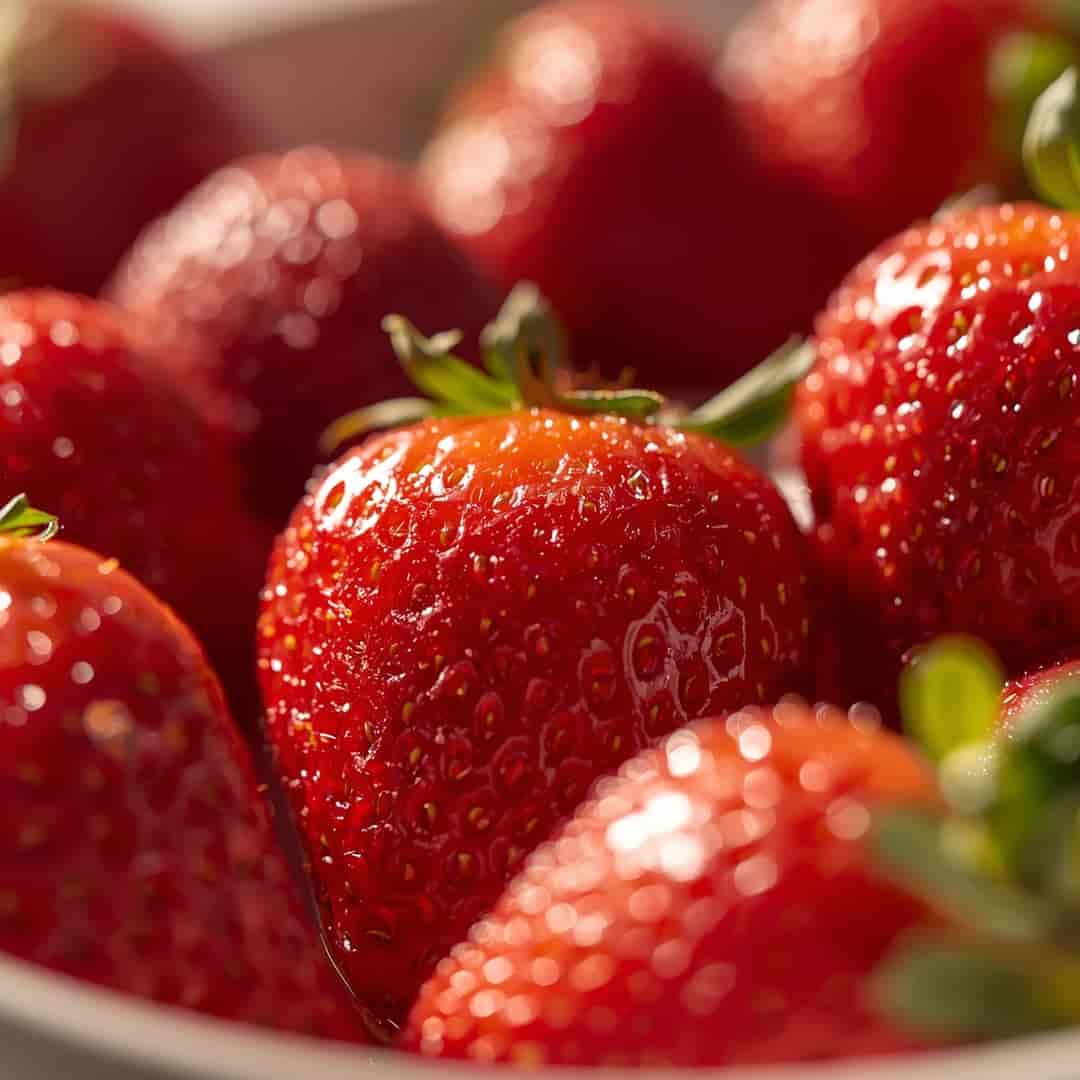
Canning Strawberries
Ingredients
Equipment
Method
- Ensure you have all your canning equipment ready and sterilized. This includes canning jars (pint or half-pint size are ideal for strawberries), lids, and bands. Jars and lids should be washed and then submerged in simmering water (around 180°F or 82°C) in a large pot for at least 10 minutes to sterilize. Keep the jars warm until ready to fill. Have a large pot or Dutch oven for blanching (optional) and a water bath canner with a rack, or a deep pot large enough to fully submerge your jars with at least 1-2 inches of water above them.
- Gently wash your strawberries under cool running water and hull them (remove the green tops). For whole strawberries, choose medium to large berries that maintain their shape well. You can leave them whole, halve them, or quarter them depending on your preference and the size of your jars. Ensure they are thoroughly drained after washing.1 quart fresh, ripe strawberries
- In a separate bowl or small pot, combine the lemon juice and sugar (if using for a syrup). If you are aiming for a simple water pack, you will primarily use hot water and lemon juice. For a light syrup (often used for sliced or diced strawberries), combine 1 cup sugar with 2 cups of water and heat until the sugar dissolves. For a medium syrup, use 1.5 cups sugar to 2 cups water; for a heavy syrup, use 2 cups sugar to 2 cups water. Note: For optimal shelf stability and to retain the freshest berry flavor, a water pack with lemon juice and minimal or no added sugar is often preferred for whole canning strawberries as a base for other uses.1 cup granulated sugar, 0.25 cup lemon juice, as needed additional water
- Carefully fill your sterilized, warm jars with prepared strawberries. Pack them snugly but do not crush the berries. For whole strawberries, place them tightly together. If using sliced or halved berries, distribute them evenly. Leave about 1/2 inch of headspace (the space between the top of the food and the rim of the jar).1 quart fresh, ripe strawberries
- Pour the prepared canning liquid (water with lemon juice for a water pack, or your chosen syrup) over the strawberries in each jar. Ensure the liquid covers the berries and reaches the 1/2 inch headspace mark. Use a non-metallic utensil, such as a plastic spatula or a dedicated headspace tool, to gently slide down the sides of the jars. This releases any trapped air bubbles. Add more liquid if necessary to maintain the 1/2 inch headspace.as needed additional water, 0.5 cup boiling water, 0.25 cup lemon juice
- Carefully wipe the rims of each jar with a clean, damp cloth to remove any food particles or residue. This is crucial for ensuring a good seal. Center a new, sterilized canning lid on top of each jar, then screw on the bands until just fingertip tight. Do not overtighten, as air needs to escape during processing.
- Place the filled jars onto the rack in your water bath canner. Ensure the jars are not touching each other. Add hot water to the canner, making sure it covers the jars by at least 1-2 inches. Bring the water to a rolling boil. Once a rolling boil is achieved, begin timing the processing. For pint jars of strawberries, process for 15 minutes (at altitudes below 1,000 feet). Adjust processing time for higher altitudes as per USDA guidelines.
- After the processing time is complete, carefully turn off the heat and remove the canner lid. Let the jars sit in the hot water for another 5 minutes to help prevent siphoning (liquid loss from the jars). Then, using canning tongs, carefully remove the jars from the canner and place them upright on a towel-lined counter or a cooling rack. Leave at least an inch of space between jars. Allow them to cool undisturbed for 12-24 hours. You may hear popping sounds as the lids seal. Once completely cool, check the seals by pressing down on the center of each lid. If the lid is firm and does not flex, it is sealed.
- Remove the bands from sealed jars. Wipe the jars clean and label them with the contents and date of canning. Store your canned strawberries in a cool, dark, and dry place, such as a pantry or basement. Properly canned strawberries can last for 12-18 months.