
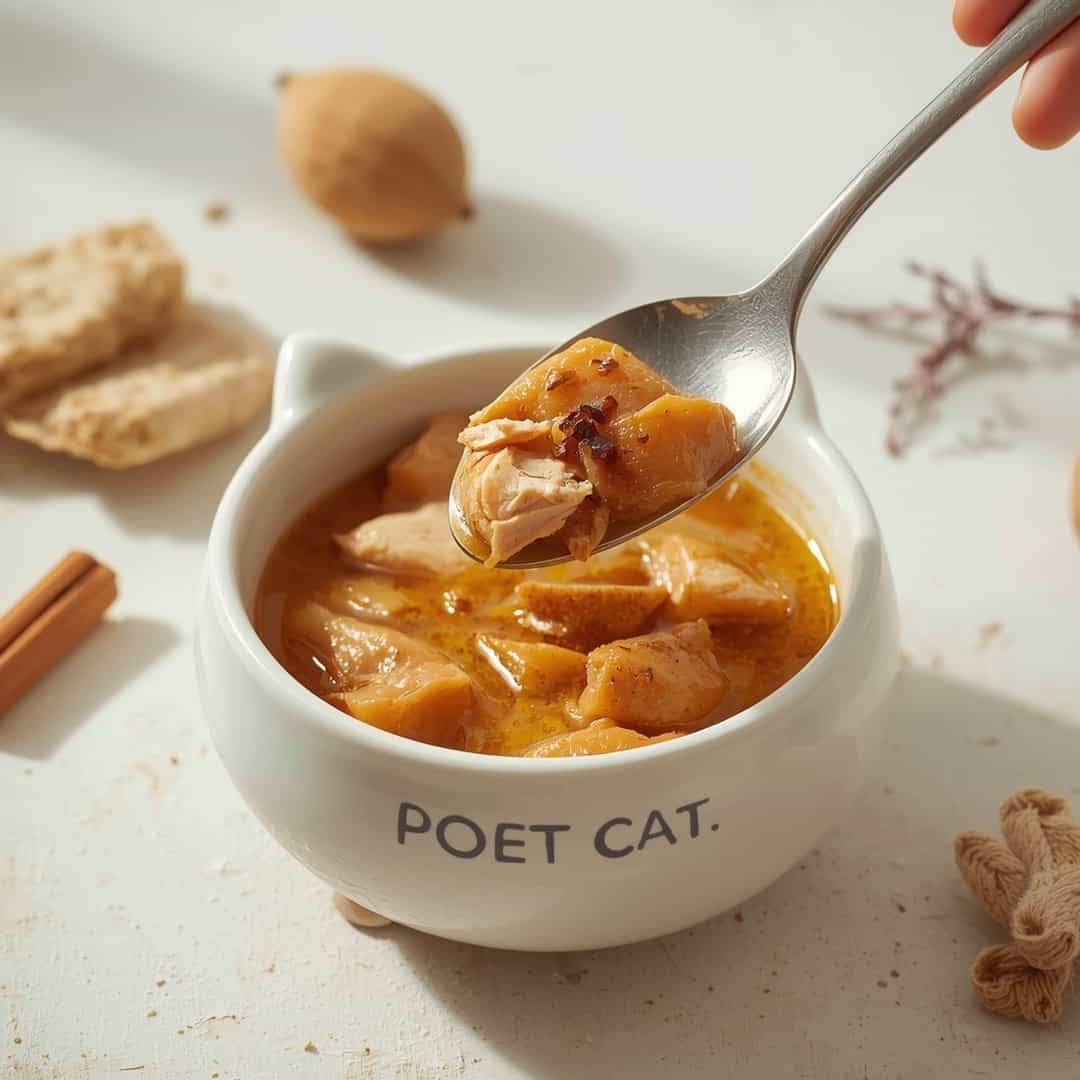
Cook chicken broth for cat is a simple, homemade recipe designed to provide supplemental hydration and essential nutrients. This recipe is suitable for adult cats and can be particularly beneficial for felines recovering from illness, experiencing decreased appetite, or simply needing an extra boost of moisture. The gentle nature of cooked chicken broth makes it an easily digestible and appealing option for promoting overall feline well-being.
Key Ingredients for Nourishing Cat Chicken Broth
- 1 pound boneless, skinless chicken thighs: This provides lean protein for muscle maintenance and energy, and is a great source of essential amino acids.
- 8 cups filtered water: Crucial for hydration and acts as the base for extracting nutrients from the chicken.
- 1/4 cup chopped carrots: Offers vitamins like Vitamin A for vision and immune support, and adds a subtle, appealing sweetness.
- 1/4 cup chopped celery: Contributes fiber for digestive health and provides hydration.
Health Benefits
This homemade chicken broth is a powerhouse of benefits for your cat. The slow cooking process extracts vital nutrients and electrolytes from the chicken, making them highly bioavailable for absorption. This hydrating liquid is excellent for kidney health, helping to flush out toxins and maintain proper kidney function. For cats struggling with appetite loss, the appealing aroma and taste of chicken broth can entice them to eat more, ensuring they receive adequate nutrition. It’s also a fantastic source of collagen, which supports healthy joints and can contribute to a shiny coat and healthy skin. The simple ingredients make it easy to digest, which is ideal for cats with sensitive stomachs or those on the mend.
How to Make Nourishing Cat Chicken Broth
This recipe is incredibly straightforward to make, requiring minimal effort for maximum nutritional reward. The primary benefit lies in its purity and the absence of additives often found in commercial products. Prep time is minimal, and the simmering process does the heavy lifting, yielding a nutrient-dense broth in under two hours.
Step-by-Step Instructions
Prepare the Chicken and Vegetables: Rinse the chicken thighs and pat them dry. Chop the carrots and celery into small, bite-sized pieces.
Combine Ingredients: Place the chicken thighs, chopped carrots, and chopped celery into a large pot or Dutch oven. Pour in the 8 cups of filtered water, ensuring the chicken and vegetables are fully submerged.
Bring to a Boil, Then Simmer: Place the pot over medium-high heat and bring the water to a rolling boil. Once boiling, immediately reduce the heat to low, cover the pot, and let it simmer gently.
Simmer for Flavor and Nutrients: Allow the broth to simmer for a minimum of 1.5 hours, or up to 2 hours, for optimal nutrient extraction. The chicken should be thoroughly cooked and easily fall apart, and the vegetables tender.
Skim and Strain: During simmering, periodically skim off any foam or impurities that rise to the surface. Once cooking is complete, carefully remove the chicken and vegetables from the broth. Strain the liquid through a fine-mesh sieve into a clean bowl or container to remove any small particles. If desired, you can finely shred the cooked chicken and add a small amount back to the strained broth.
Cool Completely: Let the broth cool down to room temperature before serving or storing. This is crucial for your cat’s safety.
Is This Recipe Safe for Cats?
Absolutely! This cook chicken broth for cat recipe is formulated with your feline’s safety and well-being in mind. We have meticulously excluded all ingredients known to be harmful to cats, such as onions, garlic, salt, sugar, and any artificial spices or flavorings. The ingredients are natural and minimally processed. However, as with any dietary changes or new foods, it’s always a prudent practice to introduce this broth gradually and monitor your cat for any signs of digestive upset. If your cat has underlying health conditions or specific dietary needs, we strongly recommend consulting with your veterinarian before adding this or any new food item to their diet.
Why You’ll Love This Recipe
When you choose to cook chicken broth for cat at home, you’re opting for a superior alternative to many store-bought options. Commercial broths can often contain unnecessary additives, preservatives, and high levels of sodium that are not beneficial for your feline friend. By making it yourself, you have complete control over the quality of ingredients, ensuring your cat receives pure, wholesome nutrition without any hidden nasties. This transparency provides peace of mind, knowing you are directly contributing to your cat’s health with every serving.
Furthermore, the cost-effectiveness of this homemade recipe is a significant advantage. While the initial ingredient outlay for fresh chicken and vegetables is minimal, the quantity of broth you can produce is substantial. This allows for frequent servings without breaking the bank, offering a truly economical way to supplement your cat’s diet with valuable hydration and nutrients. The freshness is unparalleled; you’ll be serving a vibrant, nutrient-rich liquid that is far more appealing and beneficial than something that has been sitting on a shelf.
How Much Should I Feed My Cat?
This nourishing cat chicken broth is best offered as a topper or treat, or as a way to encourage hydration. For average-sized adult cats, start with offering 1-2 tablespoons per serving, mixed into their regular food or offered in a separate dish. You can adjust this amount based on your cat’s individual needs, appetite, and the rest of their balanced diet. For cats who are recovering from illness or have poor appetites, you can offer it more frequently, but always ensure their primary diet remains complete and balanced. Always ensure fresh water is available at all times.
Storing Tips
Proper storage will ensure your homemade chicken broth remains fresh and safe for your feline companion. Once the broth has cooled completely to room temperature, transfer it into airtight containers.
- Refrigeration: Store the broth in clean, sealed containers in the refrigerator for up to 3-4 days. Many pet owners find that using ice cube trays is an excellent way to portion and store smaller, ready-to-serve amounts.
- Freezing: For longer storage, freeze the broth in ice cube trays or small, freezer-safe containers. Once frozen, transfer the cubes to a freezer bag. Frozen broth will remain good for 2-3 months.
- Reheating: If serving the broth from the refrigerator, it can be served as is or gently warmed to room temperature or just slightly above. Avoid serving it hot. Thaw frozen broth in the refrigerator overnight.
FAQs
Can I use chicken bones in the broth? No, it is strongly advised against using chicken bones, cooked or raw, when making broth for cats. Bones can splinter and pose a choking or internal injury hazard. We recommend using boneless, skinless chicken to ensure maximum safety.
How can I make the broth more appealing to my cat? The natural aroma of cooked chicken is usually quite appealing. However, if your cat is particularly finicky, you can try adding a tiny bit of the shredded chicken meat back into the strained broth. Ensuring the broth is served at room temperature also enhances its palatability.
Can I add other safe vegetables to the broth? While carrots and celery are excellent choices, you can also consider small amounts of other cat-safe vegetables like finely chopped parsley (for freshness and mild digestive support). Always introduce new ingredients slowly and in very small quantities.
What if my cat has allergies? If your cat has known food allergies or sensitivities, it is paramount to consult with your veterinarian before introducing any new food, including this chicken broth. They can advise on potential cross-contamination or if a different protein base might be more suitable.
Final Thoughts
Making your own chicken broth for your cat is a rewarding way to provide extra hydration and a boost of essential nutrients. This simple, wholesome recipe is a testament to the power of natural ingredients and the love you have for your feline family member. By choosing to cook chicken broth for cat, you are offering a purr-fectly healthy and delicious addition to their diet.
Required Disclaimer
This homemade pet food recipe is intended as a general guide and should not replace veterinary-recommended diets.
Cook Chicken Broth for Cat
Ingredients
Equipment
Method
- Rinse the chicken thighs and pat them dry. Chop the carrots and celery into small, bite-sized pieces.1 pound boneless, skinless chicken thighs, 1/4 cup chopped carrots, 1/4 cup chopped celery
- Place the chicken thighs, chopped carrots, and chopped celery into a large pot or Dutch oven. Pour in the 8 cups of filtered water, ensuring the chicken and vegetables are fully submerged.1 pound boneless, skinless chicken thighs, 8 cups filtered water, 1/4 cup chopped carrots, 1/4 cup chopped celery
- Place the pot over medium-high heat and bring the water to a rolling boil. Once boiling, immediately reduce the heat to low, cover the pot, and let it simmer gently.8 cups filtered water
- Allow the broth to simmer for a minimum of 1.5 hours, or up to 2 hours, for optimal nutrient extraction. The chicken should be thoroughly cooked and easily fall apart, and the vegetables tender.
- During simmering, periodically skim off any foam or impurities that rise to the surface. Once cooking is complete, carefully remove the chicken and vegetables from the broth. Strain the liquid through a fine-mesh sieve into a clean bowl or container to remove any small particles. If desired, you can finely shred the cooked chicken and add a small amount back to the strained broth.
- Let the broth cool down to room temperature before serving or storing. This is crucial for your cat’s safety.