

Custom Heat Level Hot Sauce is your ticket to crafting the ultimate spicy condiment exactly how you like it. Whether you crave a gentle warmth or a fiery inferno, this recipe lets you mix and match pepper varieties to reach your ideal heat level. Made with fresh peppers, garlic, vinegar, and simple spices, it delivers bold flavor and customizable intensity in every drop. This homemade hot sauce not only packs heat but also depth and character that store-bought versions can’t match. Follow the easy canning steps to preserve your signature blend and enjoy it all year long.
Table of Contents
What is Custom Heat Level Hot Sauce?
Custom Heat Level Hot Sauce isn’t just another condiment; it’s an exploration of flavor and spice, bottled and ready to ignite your taste buds. This recipe empowers you to tailor the heat precisely to your preferences.
Unlike store-bought sauces that often rely on a formulaic approach, this method allows you to experiment with different pepper varieties, creating a complex and unique flavor profile. Whether you prefer a gentle warmth or a scorching sensation, the power is in your hands. This recipe walks you through the canning process, ensuring your homemade hot sauce is safely preserved for long-term enjoyment. Ditch the bland and embrace the bold! Try this recipe and discover your perfect heat level.
Key Ingredients for Custom Heat Level Hot Sauce:
- Peppers (1 pound): This is where the magic happens! Use a combination of pepper varieties to achieve your desired heat level. Here are some suggestions, categorized by Scoville Heat Units (SHU), but remember heat can vary based on growing conditions:
Mild (0-1,000 SHU): Anaheim, Poblano, Jalapeño (remove ribs and seeds for less heat)
Medium (1,000-50,000 SHU): Serrano, Cayenne, Peter Pepper
Hot (50,000-100,000+ SHU): Thai Chili, Habanero, Scotch Bonnet
Extreme (100,000+ SHU): Ghost Pepper, Carolina Reaper, Trinidad Moruga Scorpion
Preparation: Wear gloves! Wash the peppers thoroughly. Remove stems. You can leave the seeds in for more heat, or remove them (along with the ribs) to reduce the intensity. Consider roasting some or all of the peppers for a deeper, smokier flavor.
- Vinegar (4 cups): Distilled white vinegar (5% acidity) is crucial for safe canning. It provides the acidity needed to prevent bacterial growth. You can experiment with other vinegars like apple cider vinegar, but ensure it has at least 5% acidity and do not substitute this without researching safe canning practices. The FDA approved acidity must be used for safe canning.
- Water (1 cup): Helps to thin the sauce and balance the acidity.
- Garlic (4-6 cloves): Adds a pungent and savory flavor. Peel and roughly chop.
- Onion (1 medium): Contributes sweetness and depth. Roughly chop.
- Salt (1 tablespoon): Enhances flavor and acts as a preservative. Use canning salt or sea salt, avoiding iodized salt which can discolor the sauce.
- Sugar (1 tablespoon): Balances the acidity and adds a touch of sweetness (optional). Brown sugar, white or honey can be used.
- Optional Ingredients:
- Spices: Cumin, coriander, oregano, smoked paprika, chili powder – use sparingly, as the pepper flavor should be the star.
- Fruits: Mango, pineapple, peaches – add a touch of sweetness and tropical flair. Roast them along with the peppers for richer flavor.
- Vegetables: Carrots, bell peppers – add sweetness and body. Similar to fruits roast them along with your peppers.
- Herbs: Cilantro, thyme – Fresh herbs can be added after the sauce has cooked; be sparing because herbs during the canning process can alter the taste.
How to Make Custom Heat Level Hot Sauce
This hot sauce recipe offers an easy and satisfying way to create a fiery condiment tailored to your exact preferences. The process is streamlined, allowing you to focus on the delicious combination of flavors and heat levels.
By using simple ingredients and following the step-by-step instructions, you’ll transform fresh peppers into a vibrant and flavorful hot sauce that’s perfect for adding a kick to any dish. The preparation time is around 30 minutes and the actual canning process following is another 30 minutes.
Step-by-Step Instructions:
Prepare Your Peppers: Wearing gloves, wash all the peppers. Remove the stems. Decide if you want to remove seeds and ribs (for less heat) or leave them in (for maximum heat). Roughly chop the peppers.
Roast (Optional): For a deeper flavor, roast the peppers, garlic, and onion. Toss them in a little olive oil and spread on a baking sheet. Broil or bake at 400°F (200°C) until slightly softened and lightly charred, about 10-20 minutes. Watch carefully to prevent burning.
Simmer the Sauce: In a large stainless steel pot (do not use aluminum), combine the peppers, garlic, onion, vinegar, water, salt, and sugar (if using). Bring to a boil over medium-high heat, then reduce heat to low and simmer for at least 15 minutes, or up to an hour. The longer it simmers, the more the flavors will meld and deepen. Stir occasionally to prevent sticking.
Puree the Sauce: Let the sauce cool slightly. Carefully transfer the mixture to a blender or use an immersion blender to puree until smooth. Be extremely cautious when blending hot liquids. Work in batches if necessary and vent the blender lid to prevent pressure build-up.
Strain (Optional): For a smoother sauce, strain the pureed mixture through a fine-mesh sieve, pressing on the solids to extract as much liquid as possible. Discard the solids. This step is optional but creates a more refined texture.
Adjust Seasoning: Taste the sauce and adjust seasoning as needed. Add more salt, sugar, or a splash of vinegar to brighten the flavor. If the sauce is too thick, add a little more water.
Prepare for Canning: While the sauce is simmering, prepare your canning jars and lids. Wash jars thoroughly with hot, soapy water and rinse well. Sterilize the jars by boiling them in a large pot of water for 10 minutes. Keep the jars hot until ready to fill. Heat the lids in simmering water (do not boil) to soften the sealing compound.
Fill the Jars: Using a jar lifter, carefully remove a hot jar from the boiling water. Place it on a towel-lined surface. Using a ladle, fill the jar with the hot sauce, leaving 1/4 inch headspace (the space between the top of the sauce and the rim of the jar).
Remove Air Bubbles: Gently tap the jar on the counter to release any trapped air bubbles. You can also use a non-metallic spatula or bubble remover to run along the inside of the jar.
Wipe the Rims: Use a clean, damp cloth to wipe the rim of each jar. This ensures a good seal.
Place Lids and Rings: Center a lid on top of the jar, ensuring the sealing compound makes contact with the rim. Screw on a ring fingertip-tight (not too tight).
Process in a Boiling Water Bath: Place the filled jars in a boiling water bath canner. The water level should be at least 1 inch above the tops of the jars. Bring the water to a rolling boil and process according to the altitude chart below.
- Altitude 0-1,000 feet: Process for 10 minutes
- Altitude 1,001-6,000 feet: Process for 15 minutes
- Altitude Above 6,000 feet: Process for 20 minutes
Cool and Check Seals: Turn off the heat and carefully remove the jars from the canner using a jar lifter. Place them on a towel-lined surface, leaving space between each jar. Let the jars cool completely, undisturbed, for 12-24 hours. As the jars cool, you should hear a “pop” sound as the lids seal.
Check for Seals: After the jars have cooled completely, check the seals by pressing down on the center of each lid. If the lid is concave and doesn’t flex, the jar is properly sealed. If the lid flexes, it’s not sealed and should be refrigerated and used immediately or reprocessed with a new lid.
Label and Store: Label each jar with the date and contents. Store sealed jars in a cool, dark, and dry place. Properly canned hot sauce can be stored for up to 1 year.
Why You’ll Love This Custom Heat Level Hot Sauce
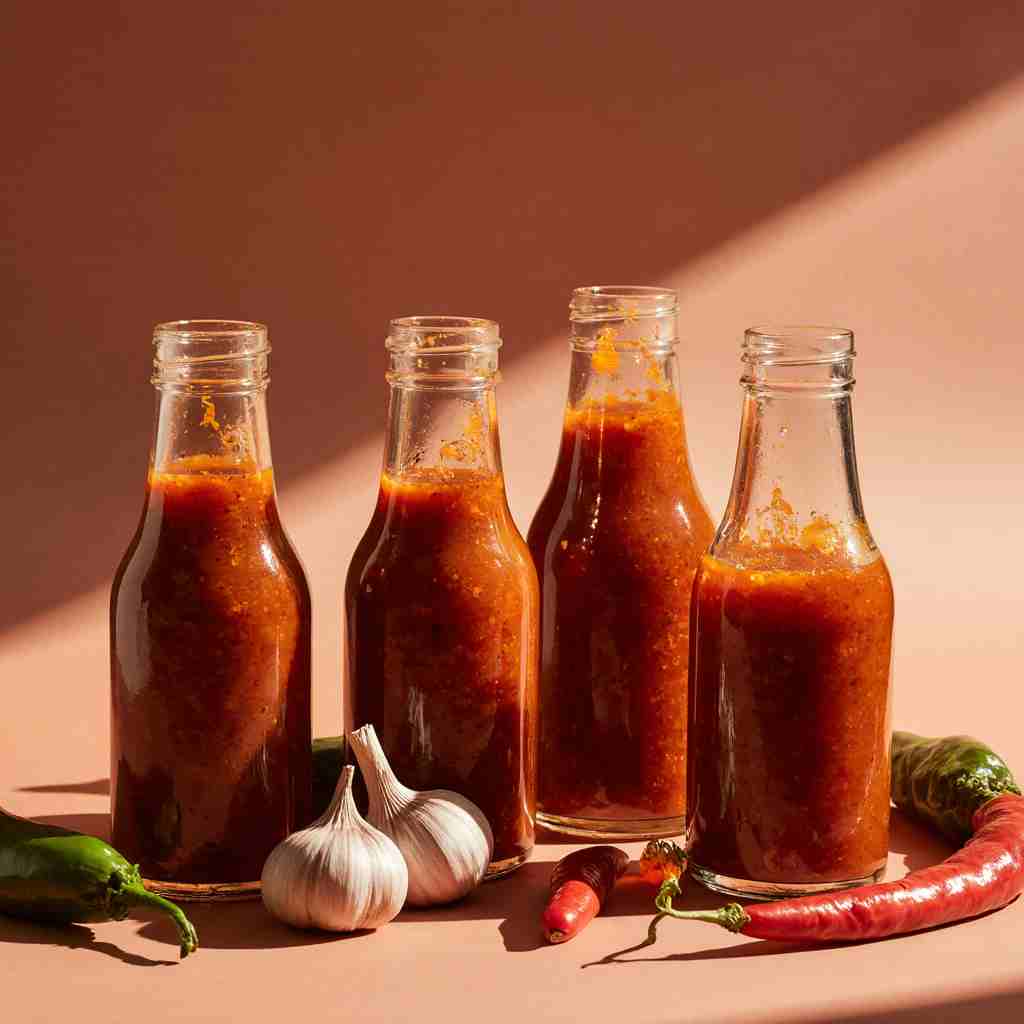
This hot sauce recipe is the ultimate way to personalize your spice experience. The main highlight is the control it gives you over the heat level. From the subtle warmth of jalapeños to the scorching intensity of ghost peppers, you can craft a sauce that perfectly matches your palate. Not only that, but making hot sauce at home is incredibly cost-effective. Store-bought gourmet hot sauces can be expensive, but with a few simple ingredients and some time, you can create a superior product for a fraction of the price.
And let’s not forget about the amazing flavor potential! By experimenting with different pepper varieties, fruits, vegetables, and spices, you can create a complex and unique flavor profile that simply can’t be found on store shelves. Think of it as a culinary adventure with a fiery kick! If you enjoy this recipe, you might also like to try home-made salsa for a fresh and flavorful condiment. So, why wait? Grab your peppers and start creating your own signature hot sauce today! It’s a fun, rewarding, and delicious experience you won’t regret.
What to Serve Custom Heat Level Hot Sauce With:
The possibilities are endless! Here are a few ideas to get you started:
- Tacos and Burritos: A classic pairing! Drizzle it over your favorite fillings.
- Eggs: Scrambled, fried, or in an omelet – hot sauce adds a delicious kick to breakfast.
- Grilled Meats and Vegetables: Brush on grilled chicken, steak, or veggies for extra flavor.
- Pizza: Add a few drops to your favorite slice for a spicy twist.
- Soups and Stews: Stir in a spoonful to add depth and heat.
- Bloody Marys: A must-have ingredient for a perfect spicy brunch cocktail.
Top Tips for Perfecting Custom Heat Level Hot Sauce:
- Safety First: Always wear gloves when handling hot peppers to avoid skin irritation. Avoid touching your eyes or face.
- Heat Level Control: Start with less of the hotter peppers and add more gradually until you reach your desired heat. Remember, you can always add more heat, but you can’t easily take it away.
- Pepper Variety is Key: Don’t be afraid to experiment with different combinations of peppers to create unique flavor profiles.
- Roasting for Flavor: Roasting the peppers, garlic, and onion before simmering adds depth and complexity.
- Vinegar Choice Matters: Distilled white vinegar is essential for safe canning. Other vinegars can be used for flavor, but make sure they have at least 5% acidity.
- Taste and Adjust: Taste the sauce frequently during the simmering process and adjust seasoning as needed.
- Cleanliness is Crucial: Ensure all your equipment (jars, lids, utensils) is thoroughly cleaned and sterilized to prevent contamination.
- Headspace is Important: Leaving the correct headspace (1/4 inch) is essential for proper sealing.
- Proper Processing Time: Follow the recommended processing times for your altitude to ensure safe canning.
Health Benefits of Custom Heat Level Hot Sauce:
While hot sauce isn’t a primary source of nutrients, the peppers themselves contain beneficial compounds. Capsaicin, the active component in peppers, has been linked to pain relief, improved circulation, and even weight management. The garlic and onion also contribute to overall health and can boost the immune system. Just remember to consume hot sauce in moderation!
Storing and Reheating Tips:
- Storage: Properly canned hot sauce can be stored in a cool, dark, and dry place for up to 1 year. Once opened, refrigerate the jar. Refrigerated opened hot sauce typically keeps for several months.
- Reheating: Hot sauce doesn’t typically require reheating. It’s usually served at room temperature or added directly to hot dishes.
- Freezing: Freezing canned hot sauce is not recommended as it can affect the texture and flavor. Since it is properly canned, freezing shouldn’t be necessary. Fresh hot sauce NOT canned can be frozen.
Final Thoughts:
Crafting your own Hot Sauce Canning recipe is an incredibly rewarding experience. It puts you in complete control of the flavor profile and heat level, resulting in a condiment that’s truly unique to your tastes. The canning process allows you to enjoy your creation year-round, and it makes for a fantastic homemade gift.
Read more :
- Homemade Ketchup And Tomato Condiments
- Carolina BBQ Mustard Sauce Recipe
- Enchilada Sauce Homemade Canned
- our Pinterest
Custom Heat Level Hot Sauce FAQs:
- Can I use frozen peppers? Yes, you can use frozen peppers, but the texture might be slightly softer after cooking. Thaw them slightly before chopping. In this case roasting may not be the best option.
- What if my sauce doesn’t thicken? The sauce will thicken slightly as it cools and during the canning process. If it’s too thin after simmering, you can continue to simmer it uncovered to reduce the liquid until it reaches your desired consistency.
- Can I use different sweeteners? Yes, you can substitute honey, maple syrup, or agave for sugar. Adjust the amount to taste.
- Is it safe to can with different types of vinegar? As long as the vinegar that you choose is FDA approved for canning and the PH level is appropriate.
- How do I know if my jars are sealed properly? After cooling, the lid should be concave (curved downward) and not flex when pressed. If the lid flexes, the jar is not sealed and should be refrigerated and used immediately.