

Looking for a delicious and rewarding way to use up your garden bounty? This guide provides a complete, step-by-step method for Homemade Tomato Sauce Canning, allowing you to transform fresh tomatoes into flavorful, shelf-stable sauce that you can enjoy all year long. Perfect for pasta, pizza, or even as a base for soups and stews, this recipe ensures a taste of summer in every jar.
Table of Contents
What is Homemade Tomato Sauce Canning?
Homemade Tomato Sauce Canning is the process of preserving a tomato-based sauce by sealing it in jars and heat-treating it to eliminate harmful microorganisms. This allows you to store your freshly made tomato sauce at room temperature for extended periods. Making your own canned tomato sauce from fresh garden tomatoes is a fantastic way to control the ingredients, avoid additives found in store-bought versions, and savor the taste of homemade goodness throughout the year.
It’s a labor of love, but the rich, vibrant flavor of your own canned tomato sauce is well worth the effort. This recipe focuses on safety, flavor, and ease of preparation, ensuring a successful canning experience. So, gather your ripe tomatoes and let’s get started on creating a batch of delicious, homemade tomato sauce!
Key Ingredients for Homemade Tomato Sauce Canning:
- 20 lbs Ripe Tomatoes: Preferably Roma, San Marzano, or other paste-type tomatoes. Wash, core, and quarter them.
- 1 cup Onion: Chopped. Yellow or white onions work well.
- 4 cloves Garlic: Minced.
- ½ cup Olive Oil: Extra virgin olive oil adds a richer flavor.
- 2 tbsp Dried Oregano: Adds a classic Italian flavor.
- 1 tbsp Dried Basil: Complements the oregano and enhances the tomato flavor.
- 1 tsp Red Pepper Flakes (Optional): For a touch of heat.
- 2 tbsp Sugar: Balances the acidity of the tomatoes. Adjust to taste.
- 3 tbsp Salt: Canning salt is recommended; do not use iodized salt.
- ½ cup Lemon Juice: Use bottled lemon juice for consistent acidity and safety in canning.
- Fresh Basil Leaves (Optional): For adding to jars before sealing for enhanced flavor.
How to Make Homemade Tomato Sauce Canning:
This recipe brings you delicious tomato sauce straight from your garden to your pantry. This versatile recipe takes about 2-3 hours, including preparation and processing time. It is simple, full of flavor, and incredibly satisfying, allowing you to enjoy homemade goodness all year round. Now put on your apron and let’s do this.
Step-by-Step Instructions:
- Prepare the Tomatoes: Wash, core, and quarter the tomatoes. You can peel the tomatoes if desired for a smoother sauce, but it’s not necessary. To peel, score an “X” on the bottom of each tomato, blanch in boiling water for 30-60 seconds, then plunge into ice water. The skins should peel off easily.
- Sauté Aromatics: In a large, heavy-bottomed pot or Dutch oven, heat the olive oil over medium heat. Add the chopped onion and cook until softened and translucent, about 5-7 minutes. Add the minced garlic and cook for another minute until fragrant, being careful not to burn it.
- Cook the Sauce: Add the quartered tomatoes to the pot along with the oregano, basil, red pepper flakes (if using), sugar, and salt. Stir to combine. Bring the mixture to a simmer, then reduce the heat to low, cover, and cook for 1-2 hours, or until the tomatoes are very soft and the sauce has thickened. Stir occasionally to prevent sticking.
- Purée the Sauce (Optional): For a smoother sauce, use an immersion blender to purée the sauce directly in the pot. Alternatively, let the sauce cool slightly, then transfer it in batches to a regular blender or food processor. Use caution when blending hot liquids.
- Adjust Seasoning: Taste the sauce and adjust the seasoning as needed. Add more sugar if the sauce is too acidic, or more salt if it tastes bland.
- Prepare Canning Jars: Wash canning jars, lids, and bands in hot, soapy water. Rinse well. Sterilize the jars by placing them in a boiling water canner, covering them with water, and bringing to a boil for 10 minutes. Keep the jars hot until ready to use. Place lids in hot, but not boiling, water to soften the sealing compound.
- Add Lemon Juice: Add lemon juice to all the jars before filling with sauce .
- Fill the Jars: Ladle the hot tomato sauce into the hot, sterilized jars, leaving ½-inch headspace. Remove any air bubbles by gently tapping the jars on the counter or using a plastic utensil. Wipe the jar rims clean with a damp cloth.
- Seal the Jars: Place the lids on the jars, then screw on the bands until fingertip tight (not too tight).
- Process in a Boiling Water Canner: Carefully lower the filled jars into the boiling water canner using a jar lifter. Make sure the jars are fully submerged, with at least 1-2 inches of water covering the tops of the jars. Bring the water to a rolling boil, then process for the following times based on your altitude according to the National Center for Home Food Preservation guide. (Link here)
- Pints: 35 minutes
- Quarts: 40 minutes
- Cool and Check Seals: Turn off the heat and let the jars sit in the canner for 5 minutes before carefully removing them with a jar lifter. Place the jars on a towel-lined surface to cool completely, undisturbed, for 12-24 hours. As the jars cool, you should hear a “pop” sound, indicating that the lids have sealed properly.
- Check the Seals: After the jars have cooled, check the seals by pressing down on the center of each lid. If the lid doesn’t flex or move, it’s properly sealed. If a lid flexes, it’s not sealed and the jar should be reprocessed with a new lid or stored in the refrigerator.
- Label and Store: Label the jars with the date and contents, then store them in a cool, dark place for up to 12-18 months.
Why You’ll Love This Homemade Tomato Sauce Canning
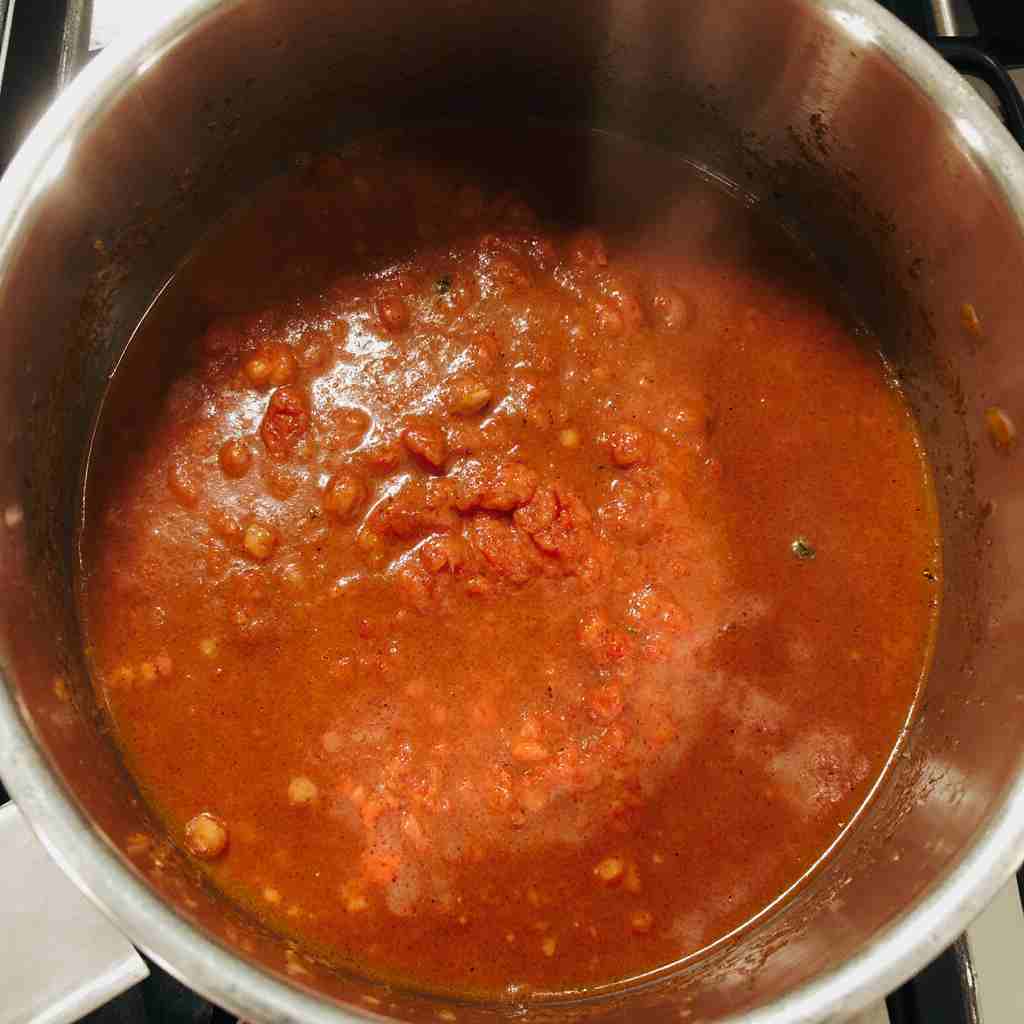
This homemade tomato sauce is more than just a recipe; it’s a taste of home. Its depth of flavor from fresh, garden-ripe tomatoes sets it apart from store-bought versions. Plus, knowing exactly what goes into each jar—no artificial additives or preservatives—gives you peace of mind. Making it at home significantly cuts down on grocery costs, especially when you have an abundance of tomatoes from your garden.
For a special touch, try adding a few fresh basil leaves to each jar before sealing to infuse the sauce with a bright, aromatic flavor. It’s even better than basic store-bought marinara and you can feel proud knowing you made it yourself! Give this recipe a try and transform your tomato harvest into a year-round pantry staple!
What to Serve Homemade Tomato Sauce Canning With:
Homemade tomato sauce is incredibly versatile. Of course, it’s perfect with classic pasta dishes like spaghetti, lasagna, or baked ziti. It also makes a fantastic pizza sauce or a base for soups and stews. Consider pairing it with grilled meatballs, chicken parmesan, or eggplant parmesan.
For a simple side dish, try serving it with crusty bread for dipping or a fresh salad. For pasta, try a side of roasted garlic buttered bread or a side salad with balsamic vinaigrette.
Top Tips for Perfecting Homemade Tomato Sauce Canning:
- Choose the Right Tomatoes: Use paste-type tomatoes like Roma or San Marzano for the best flavor and texture.
- Don’t Skip the Acid: Always add bottled lemon juice to ensure the sauce is acidic enough for safe canning.
- Adjust Sweetness and Seasoning: Taste and adjust the sugar and salt levels to your preference.
- Check Your Altitude: Adjust the processing time based on your altitude to ensure proper sealing and preservation.
- Use Canning Salt: Avoid iodized salt, as it can darken the sauce and affect its flavor.
- Head Space is Key: Always leave the specified headspace in each jar to ensure a proper seal.
Health Benefits of Homemade Tomato Sauce Canning:
Homemade tomato sauce is a powerhouse of nutrients. Tomatoes are rich in lycopene, a powerful antioxidant that has been linked to a reduced risk of certain cancers and heart disease. They also provide vitamins A and C, as well as potassium.
By making your own sauce, you control the ingredients, avoiding added sugars, sodium, and preservatives found in many store-bought versions. You can even boost its nutritional value by adding extra vegetables like carrots, zucchini, or spinach during the cooking process.
Storing and Reheating Tips:
Store your canned tomato sauce in a cool, dark pantry for up to 12-18 months. Once opened, refrigerate any leftover sauce in an airtight container for up to 5-7 days. To reheat, simply warm the sauce in a saucepan over medium heat, stirring occasionally, until heated through. You can also reheat it in the microwave, covered, in 30-second intervals, stirring in between.
For freezing, place the sauce in freezer-safe containers or bags, leaving some headspace for expansion. Frozen sauce can be stored for up to 3 months. Thaw it in the refrigerator overnight before reheating.
Final Thoughts:
Canning homemade tomato sauce is a rewarding process that brings the flavors of summer to your table year-round. With this comprehensive guide, you can create a delicious, safe, and shelf-stable tomato sauce that will elevate your favorite dishes. So, gather your garden-fresh tomatoes and embark on this delicious culinary adventure.
Read more :
- Homemade Ketchup And Tomato Condiments
- Carolina BBQ Mustard Sauce Recipe
- Enchilada Sauce Homemade Canned
- our Pinterest
Homemade Tomato Sauce Canning – FAQs:
Q: Can I use a different type of vinegar instead of bottled lemon juice?
A: Bottled lemon juice is recommended for its consistent acidity level, which is crucial for safe canning. While vinegar can be used, it may alter the flavor significantly, and you need to ensure it has a minimum acidity level. It is best to follow the instructions and use bottled lemon juice for safety and flavor reasons.
Q: What do I do if a jar doesn’t seal?
A: If a jar doesn’t seal after processing, you have two options: you can reprocess it with a new lid within 24 hours, following the same processing time as before, or you can refrigerate the sauce and use it within a week.
Q: Can I add meat to the sauce before canning?
A: No, it is not recommended to add meat to tomato sauce before canning unless you are using a pressure canner and following a tested recipe specifically designed for meat-containing sauces. Adding meat increases the risk of botulism if not processed correctly.
Q: Can I can crushed tomatoes instead of making sauce?
A: Yes, you can can crushed tomatoes. The process is similar to canning sauce, but the tomatoes are simply crushed instead of cooked down into a sauce. Make sure to follow a tested recipe for crushed tomatoes and adjust the processing time accordingly.
Q: How do I know if my canned sauce has gone bad?
A: Check for signs of spoilage, such as bulging lids, leaking jars, or a foul odor when opened. If you notice any of these signs, discard the sauce immediately. If the seal is no longer intact, the sauce has not been stored in a cool area, it may have been exposed to air or moisture. Don’t risk it.