
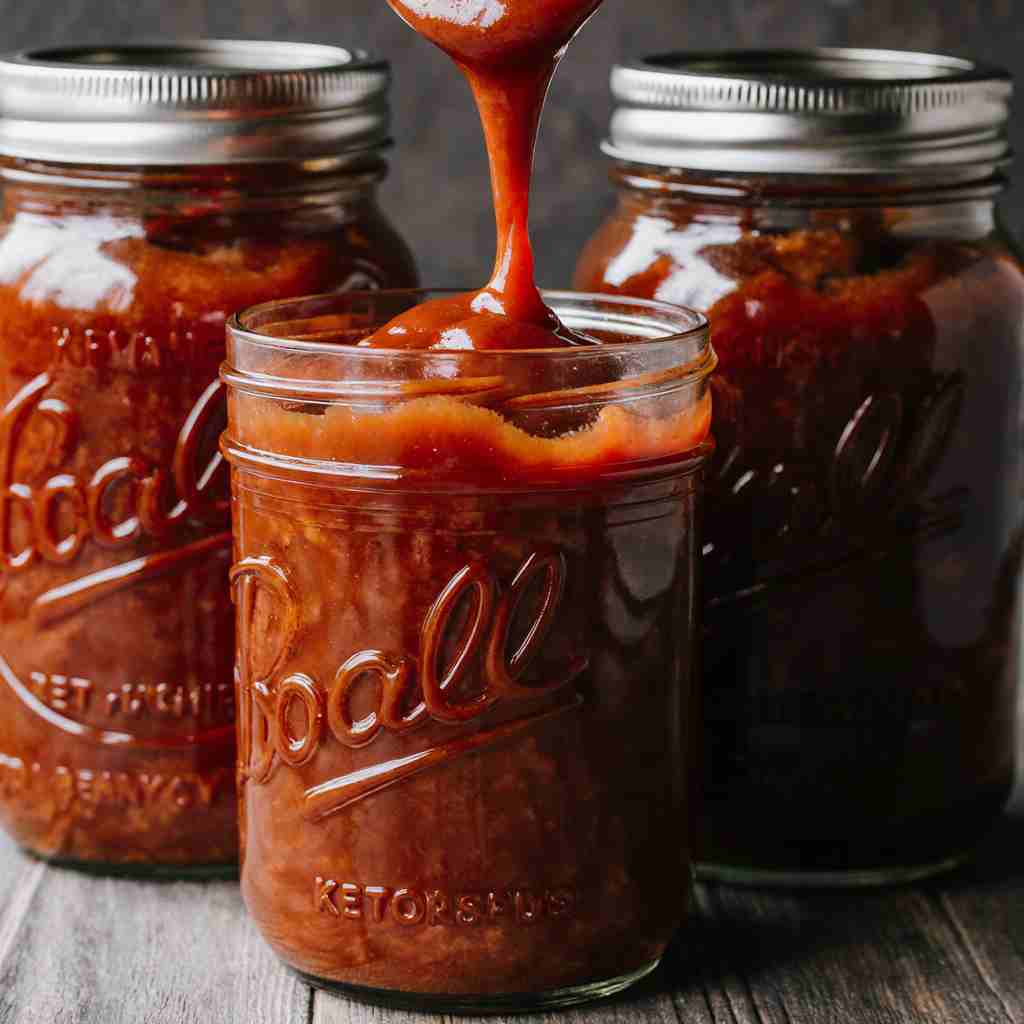
Homemade ketchup and tomato condiments are the ultimate way to capture the taste of ripe summer tomatoes all year long. This recipe lets you craft your own rich, flavorful ketchup, tangy tomato relish, and spicy chutney , all free from artificial additives and excess sugar. With simple canning techniques, you’ll create a shelf-stable collection of delicious sauces perfect for burgers, hot dogs, cheese boards, and more. Customize the flavors with your favorite spices or herbs and enjoy the satisfaction of truly homemade tomato condiments made from scratch.
Table of Contents
What is Ketchup and Tomato Condiments (Canning)?
Homemade ketchup and tomato condiments offer a world of flavor possibilities. This isn’t just your average ketchup; it’s about crafting a collection of delicious and versatile tomato-based sauces that can be preserved through canning. Think rich, smoky ketchup perfect for burgers, sweet and tangy tomato relish ideal for hot dogs, or a spicy tomato chutney great for cheese and crackers. This recipe empowers you to create your own unique flavors and control the ingredients that go into your condiments, avoiding artificial additives and excess sugar.
By canning these sauces, you can enjoy the taste of summer-ripe tomatoes all year round. Ready to ditch the store-bought stuff and explore the delicious world of homemade tomato condiments? Grab your tomatoes and let’s get started!
Key Ingredients for Ketchup and Tomato Condiments:
- Tomatoes: 10 lbs Roma or other paste tomatoes, washed, cored, and coarsely chopped. The quality and variety of tomatoes you use will significantly impact the final flavor. Look for ripe, flavorful tomatoes at their peak season.
- Onions: 2 medium yellow onions, peeled and chopped. Onions provide a savory base for the condiments.
- Garlic: 6 cloves garlic, minced. Garlic adds a pungent aroma and flavor.
- Vinegar: 2 cups white vinegar (5% acidity). Vinegar is crucial for preserving the condiments and adds a tangy flavor. Ensure your vinegar has at least 5% acidity for safe canning.
- Sugar: 1 cup granulated sugar. Sugar balances the acidity and enhances the sweetness of the tomatoes. Brown sugar can be substituted for a richer flavor.
- Salt: 2 tablespoons canning salt. Canning salt (also known as pickling salt) is pure sodium chloride and does not contain iodine or anti-caking agents, which can discolor the ketchup and affect its texture.
- Spices: 1 tablespoon mustard seeds, 1 teaspoon ground cinnamon, 1/2 teaspoon ground cloves, 1/4 teaspoon cayenne pepper (optional). Spices add depth and complexity to the flavor profile. Adjust spice levels according to your preference.
- Water: 1 cup. Water helps to regulate the consistency of the ketchup during cooking.
- Optional additions: Hot peppers, various herbs, etc… This is where you can add the unique flavor to your Ketchup & Tomato Condiments
How to Make Ketchup and Tomato Condiments:
This recipe is surprisingly easy, transforming simple garden tomatoes into flavorful, shelf-stable condiments. The key is slow cooking to develop rich flavors and ensuring proper canning techniques for safe preservation. The whole process takes approximately 3-4 hours, including prep and canning time, but the delicious result is well worth the effort!
Step-by-Step Instructions:
- Prepare the Tomatoes: Wash, core, and coarsely chop the tomatoes. Roughly chop the onions and mince the garlic.
- Combine Ingredients: In a large, heavy-bottomed pot, combine the chopped tomatoes, onions, garlic, water, sugar, salt, and spices.
- Simmer: Bring the mixture to a boil over medium-high heat, then reduce the heat to low and simmer, uncovered, for 2-3 hours, stirring occasionally to prevent sticking. The tomatoes should break down completely, and the mixture should thicken considerably.
- Puree (Optional): For a smoother ketchup, use an immersion blender to puree the mixture directly in the pot. Alternatively, you can carefully transfer the mixture to a blender or food processor (in batches) and puree until smooth. Be careful when blending hot liquids!
- Strain (Optional): For an even smoother texture, strain the pureed mixture through a fine-mesh sieve, pressing down on the solids to extract as much liquid as possible. Discard the solids.
- Add Vinegar: Stir in the vinegar.
- Simmer Again: Continue to simmer the mixture, uncovered, over low heat for another 30-60 minutes, or until it reaches your desired consistency. Stir frequently to prevent scorching. The ketchup should be thick and glossy.
- Canning Preparation: While the ketchup is simmering, prepare your canning jars and lids according to USDA guidelines. Wash jars in hot, soapy water, rinse well, and keep them hot until ready to fill. Heat canning lids in simmering water (do not boil).
- Filling the Jars: Ladle the hot ketchup into the hot, sterilized jars, leaving 1/2-inch headspace. Remove any air bubbles by gently tapping the jars or using a non-metallic spatula. Wipe the jar rims clean with a damp cloth.
- Processing Jars: Center the lids on the jars and apply the bands fingertip-tight.
- Water Bath Canning: Place the jars in a boiling water bath canner. The water should cover the jars by at least 1 inch.
- Process: Bring the water to a rolling boil and process for the following times, adjusting for altitude:
- Pints: 15 minutes (0-1,000 feet), 20 minutes (1,001-6,000 feet), 25 minutes (above 6,000 feet)
- Quarts: 20 minutes (0-1,000 feet), 25 minutes (1,001-6,000 feet), 30 minutes (above 6,000 feet)
- Cooling the Jars: Turn off the heat and let the jars sit in the canner for 5 minutes before removing them to a towel-lined surface to cool completely.
- Check the Seals: After the jars have cooled for 12-24 hours, check the seals. The lids should be concave and not flex when pressed. If any jars did not seal, refrigerate the ketchup immediately and use within a few weeks.
- Storage: Properly sealed jars can be stored in a cool, dark place for at least one year.
Why You’ll Love This Ketchup and Tomato Condiments
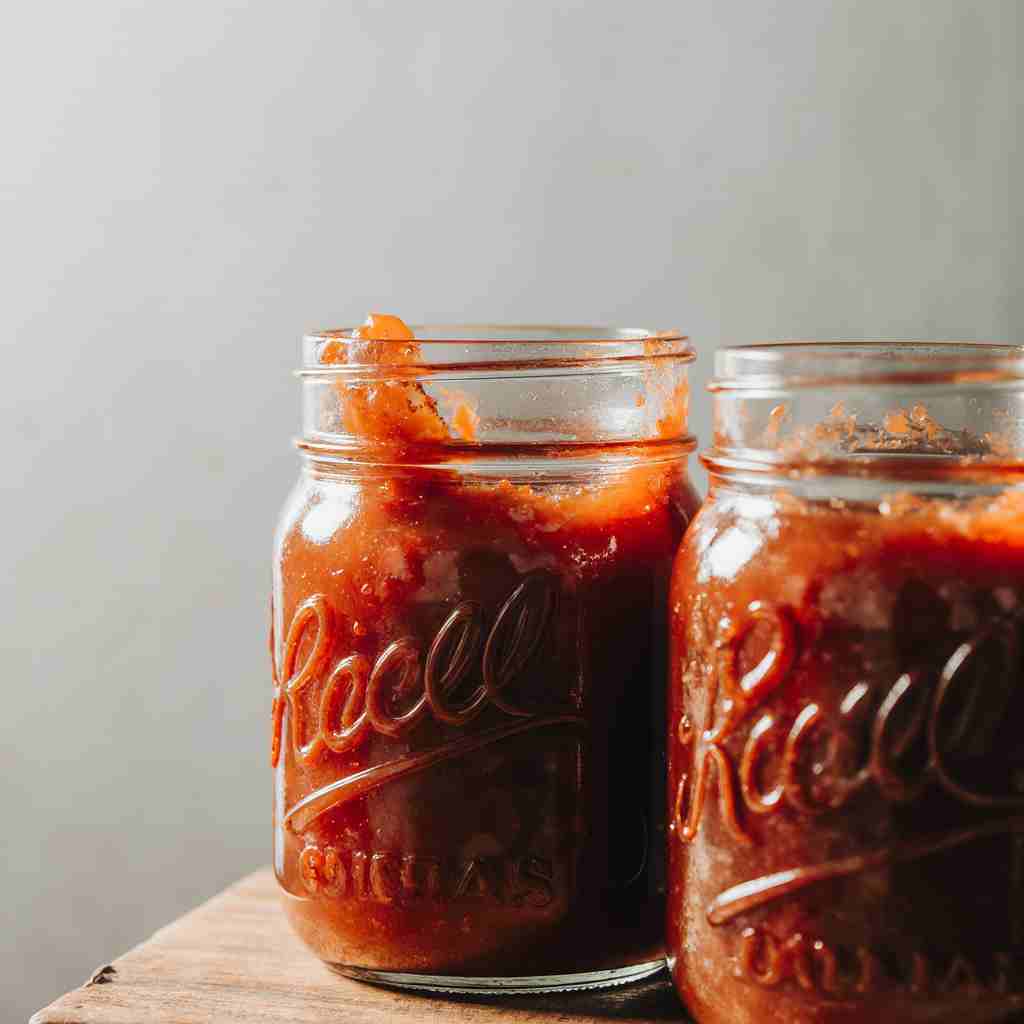
The main highlight is the unparalleled flavor; this homemade ketchup boasts a rich, complex taste that no store-bought brand can match. By making it yourself, you control the ingredients, avoiding excessive sugar, artificial preservatives, and unwanted additives. Opting for homemade also translates to significant cost savings. Buying organic or high-quality ketchup can be expensive, but making your own, especially with garden-fresh tomatoes, is significantly cheaper.
The ability to customize your condiments with flavorful toppings or ingredients takes this recipe to the next level. Add smoked paprika for a smoky depth, cayenne pepper for a kick, or fresh herbs for a vibrant twist. If you enjoy making your own sauces, consider exploring a homemade BBQ sauce recipe too! Ready to embark on a culinary adventure and experience the difference of homemade tomato condiments? Give this recipe a try!
What to Serve Ketchup and Tomato Condiments With:
Homemade ketchup and tomato condiments are incredibly versatile additions to any meal. They are fantastic on classic burgers and hot dogs, naturally! But don’t stop there – try them on grilled cheese sandwiches, breakfast potatoes, scrambled eggs, or as a dipping sauce for fries and onion rings. For a more adventurous pairing, serve the ketchup with grilled meats like chicken or pork, or use it as a glaze for roasted vegetables. A spicy tomato chutney works wonderfully with cheese and crackers or as a condiment for Indian-inspired dishes.
Top Tips for Perfecting Ketchup and Tomato Condiments:
- Tomato Variety is Key: Experiment with different tomato varieties to find your favorite flavor profile. Roma, San Marzano, and other paste tomatoes have thicker flesh and less water, making them ideal for ketchup and condiments.
- Adjust Sweetness Levels: Taste the ketchup during the cooking process and adjust the amount of sugar to your liking. Remember that the flavor will intensify as the ketchup simmers and reduces.
- Don’t be Afraid to Experiment with Spices: Feel free to customize the spice blend to your preferences. Add smoked paprika for a smoky flavor, chili powder for heat, or different herbs like basil or oregano for a unique twist.
- Prevent Scorching: Stir the ketchup frequently, especially towards the end of the cooking process, to prevent it from sticking to the bottom of the pot and scorching.
- Proper Canning is Essential: Follow all canning guidelines carefully to ensure the safety and longevity of your homemade condiments.
Health Benefits of Ketchup and Tomato Condiments:
While commercially produced ketchup can be high in sodium and sugar, homemade ketchup allows you to control these aspects. Tomatoes are a good source of lycopene, an antioxidant linked to reduced risk of certain cancers and heart disease. They are also rich in vitamins A and C, offering important nutritional benefits. By avoiding additives and preservatives, you can create a healthier, more wholesome condiment for your family.
Storing and Reheating Tips:
Once processed and sealed, homemade ketchup can be stored in a cool, dark place for at least one year. After opening, refrigerate the ketchup, and it should remain fresh for about 2-3 weeks. Since this recipe is shelf stable, it does not particularly need to be reheated.
Final Thoughts:
Making your own Ketchup and Tomato Condiments is a remarkably rewarding experience, offering superior flavor, customization, and control over ingredients. Beyond the improved taste, homemade ketchup allows you to avoid artificial preservatives and excessive amounts of sugar often found in store-bought versions. Whether you’re a seasoned canner or a beginner cook, this recipe will empower you to create a versatile and delicious addition to your pantry. So grab some fresh tomatoes, gather your spices, and get ready to elevate your condiment game!
Read more :
- Homemade Ketchup And Tomato Condiments
- Carolina BBQ Mustard Sauce Recipe
- Enchilada Sauce Homemade Canned
- our Pinterest
Ketchup and Tomato Condiments FAQs:
- Can I use frozen tomatoes? Yes, you can use frozen tomatoes. Thaw them before adding them to the pot. Be aware that frozen tomatoes may release more water, so you may need to simmer the ketchup for a longer period to achieve the desired consistency.
- Can I reduce the amount of sugar? Yes, you can reduce the amount of sugar, but keep in mind that sugar helps to balance the acidity and contributes to the ketchup’s preservation. Taste as you go and adjust to your liking, but don’t reduce it too dramatically.
- Can I use a different type of vinegar? White vinegar is recommended for its neutral flavor, but you can experiment with other types of vinegar, such as apple cider vinegar, for a different flavor profile. Keep in mind that the acidity level of the vinegar is crucial for safe canning, so ensure it is at least 5%.
- My ketchup is too thin. What can I do? Continue to simmer the ketchup, uncovered, until it reaches the desired consistency. Stir frequently to prevent scorching. You can also add a small amount of tomato paste to help thicken it.
- My ketchup is too thick. What can I do? Add a small amount of water or tomato juice to thin the ketchup. Stir well and simmer for a few minutes to combine.
- How do I know if my jars are properly sealed? After the jars have cooled for 12-24 hours, check the seals. The lids should be concave and not flex when pressed. If any jars did not seal, refrigerate the ketchup immediately and use within a few weeks.
- Do I Have to Can it? No. If you don’t can it, you can skip the water bath step and just make it to refrigerate after its complete. This also reduced the prep time.