
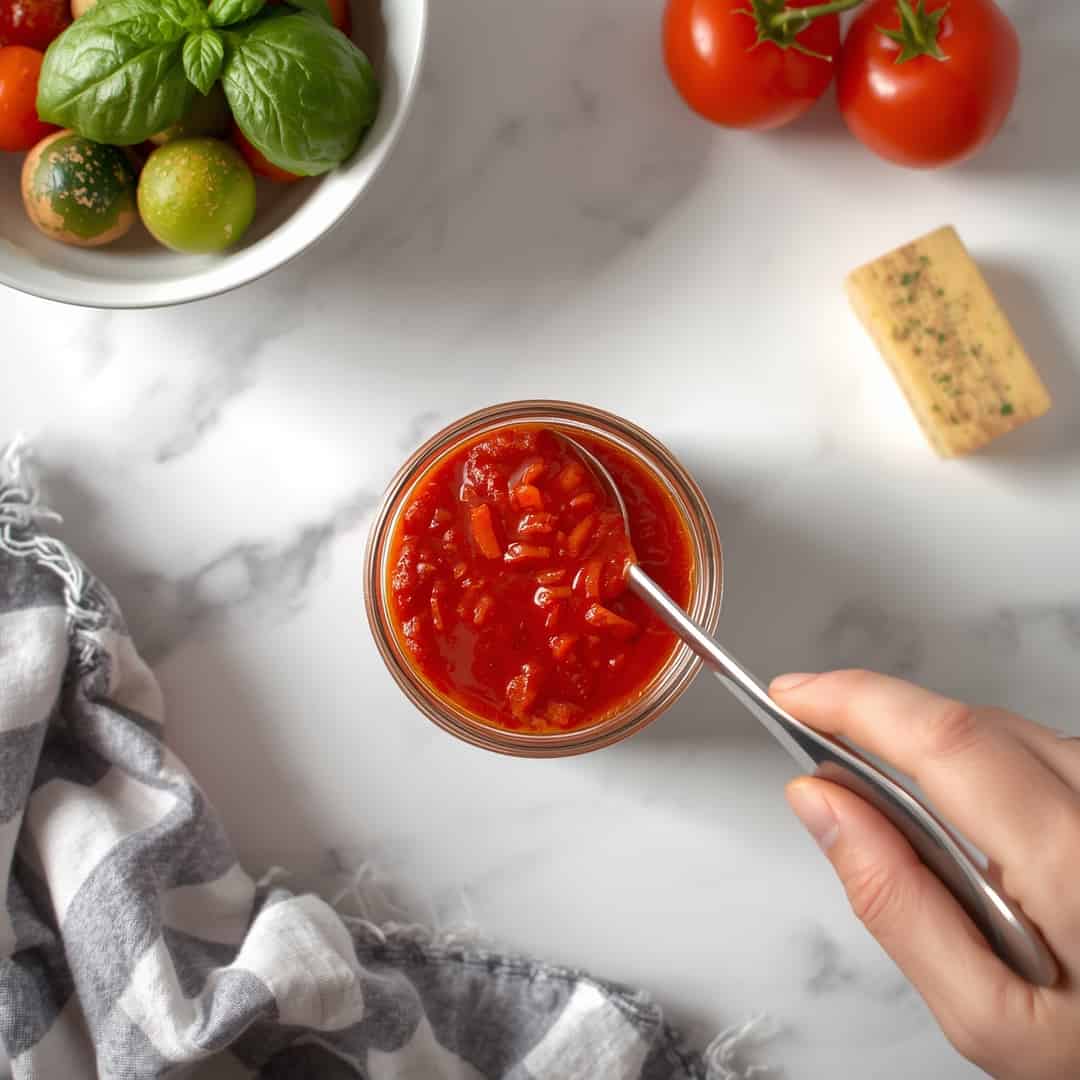
Transform your fresh summer tomatoes into a year-round culinary staple with our comprehensive guide to marinara sauce canning. This incredibly useful process allows you to preserve the vibrant taste of homemade marinara, ensuring you always have a wholesome, delicious sauce ready for quick weeknight meals or elaborate Sunday dinners.
Key Ingredients for Marinara Sauce Canning
- 30 lbs ripe plum tomatoes (San Marzano or Roma preferred), cored and quartered: These varieties offer a rich, sweet flavor and less water content, ideal for canning.
- 6 large yellow onions, finely diced: Provides a foundational sweetness and aromatic depth.
- 12 cloves garlic, minced: Essential for that classic marinara flavor.
- 1/2 cup olive oil: For sautéing and adding richness.
- 1/2 cup fresh basil leaves, chopped: Adds a bright, herbaceous note (add after cooking for best flavor, or a portion during).
- 1/4 cup fresh oregano leaves, chopped: More robust herb flavor.
- 2 tablespoons sea salt (or to taste): Enhances all the other flavors.
- 1 tablespoon black pepper (freshly ground): For a touch of warmth and spice.
- 2 tablespoons granulated sugar (optional, to balance acidity): Only if your tomatoes are particularly acidic.
- Lemon juice or citric acid (for safety in canning): Essential for proper acidification – follow USDA guidelines for exact quantities per jar size.
- For Pint Jars: 1 tablespoon bottled lemon juice OR 1/4 teaspoon citric acid.
- For Quart Jars: 2 tablespoons bottled lemon juice OR 1/2 teaspoon citric acid.
- Canning jars with new lids and bands (pint or quart size): Sterilized and ready for use.
- Water bath canner: With a rack.
- Jar lifter, canning funnel, headspace tool, bubble remover: Essential canning equipment.
How to Make Marinara Sauce Canning
This marinara sauce canning recipe is an absolute breeze, delivering a robust, garden-fresh flavor that far surpasses anything you’ll find in a store. Its simplicity lies in minimal chopping and slow simmering, allowing the tomatoes to truly shine. The result is a satisfyingly rich, deeply flavored sauce that captures the essence of summer, perfect for countless meals. Expect about 3-4 hours of active preparation and simmering, plus canning time.
Step-by-Step Instructions:
- Prepare Tomatoes and Aromatics: Wash and core your tomatoes, then quarter them. There’s no need to peel or seed them unless you prefer a super smooth sauce – the peels and seeds will be removed later. Finely dice your onions and mince the garlic.
- Sauté Aromatics: In a large, heavy-bottomed stockpot or Dutch oven, heat the olive oil over medium heat. Add the diced onions and cook gently until softened and translucent, about 8-10 minutes. Add the minced garlic and cook for another 1-2 minutes until fragrant, being careful not to burn it.
- Simmer the Sauce Base: Add the quartered tomatoes, salt, pepper, and optional sugar to the pot. Bring the mixture to a gentle boil, then reduce the heat to low, cover, and simmer for at least 1-2 hours, or until the tomatoes have completely broken down and the sauce has thickened. Stir occasionally to prevent sticking.
- Process for Smoothness (Optional but Recommended): Once the sauce has simmered and thickened, remove it from the heat. Carefully pass the sauce through a food mill or use an immersion blender to achieve your desired consistency. A food mill will effectively remove skins and seeds, yielding a smoother sauce. If using an immersion blender, blend until smooth, knowing the skins and seeds will remain.
- Add Fresh Herbs: Stir in the fresh chopped basil and oregano. Taste and adjust seasoning as needed. Remember, the flavors will deepen a bit during canning.
- Prepare Jars and Canner: While the sauce finishes simmering, prepare your canning equipment. Wash jars, lids, and bands thoroughly with hot soapy water. Sterilize jars by submerging them in boiling water for 10 minutes or using a dishwasher’s sanitizing cycle. Keep them hot until ready to fill. Fill your water bath canner with water and bring it to a simmer (180°F or 82°C).
- Fill Jars: Add the required amount of bottled lemon juice or citric acid to each hot, sterilized jar (1 tbsp lemon juice or 1/4 tsp citric acid for pint jars; 2 tbsp lemon juice or 1/2 tsp citric acid for quart jars). Ladle the hot marinara sauce into the prepared jars using a canning funnel, leaving 1/2-inch headspace.
- Remove Air Bubbles and Clean Rims: Use a bubble remover tool or a clean non-metallic utensil to gently remove any trapped air bubbles from the jars. Wipe the rims of the jars clean with a damp paper towel to ensure a good seal.
- Seal Jars: Center new, clean lids on the jars and apply the bands, tightening them “fingertip tight” – just until resistance is met, not too tight.
- Process in Water Bath Canner: Carefully place the filled jars onto the rack in your water bath canner. Ensure the jars are covered by at least 1-2 inches of water. Bring the water to a rolling boil.
- Processing Time: Once the water is at a rolling boil, begin timing.
- For Pint Jars: Process for 35 minutes.
- For Quart Jars: Process for 40 minutes.
- (Adjust processing time for altitude if you live above 1,000 feet – consult a USDA canning guide.)
- Cool and Check Seals: After the processing time, turn off the heat and carefully remove the canner lid. Let the jars sit in the hot water for 5 minutes before carefully removing them with a jar lifter to a wire rack or towel-lined surface. Allow jars to cool undisturbed for 12-24 hours. Do not tighten bands further. After cooling, check seals by pressing on the center of each lid; it should not flex. If a jar hasn’t sealed, refrigerate and use within a week.
- Store: Remove bands (they can rust if left on) and label your sealed jars with the contents and date. Store in a cool, dark place for up to 18 months.
Why You’ll Love This Marinara Sauce Canning
You’re going to adore this marinara sauce for its unparalleled fresh, homemade taste that captures the very essence of summer-ripe tomatoes in a jar. It’s an incredibly smart investment of your time when tomatoes are abundant and affordable, offering significant cost savings compared to continually buying store-bought sauces laden with preservatives and hidden sugars. Imagine the peace of mind knowing your pantry is stocked with pure, wholesome goodness!
Beyond the financial benefits, the robust flavor of this sauce, infused with fresh basil, oregano, and sweet garlic, is simply divine. It completely outshines the often bland or overly acidic jarred options you find on supermarket shelves, delivering a depth of flavor that tastes like it simmered all day – because it did! This isn’t just marinara; it’s a canvas for magnificent garlic bread, tender meatballs, or a cheesy chicken parmesan. Dive in and experience the difference!
What to Serve Marinara Sauce Canning With
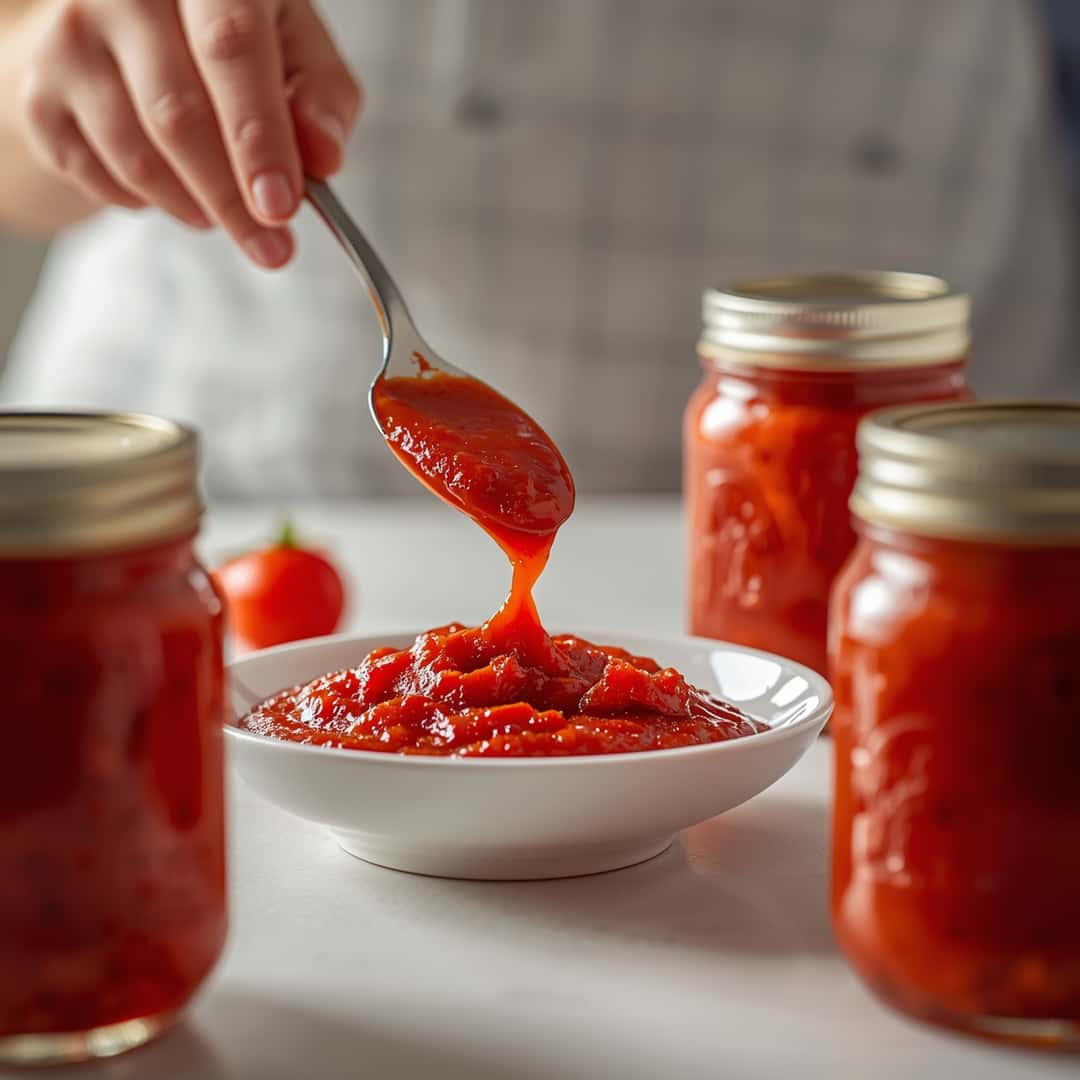
This versatile marinara sauce, fresh from your canning efforts, pairs beautifully with a myriad of dishes. It’s the quintessential partner for any pasta – think classic spaghetti and meatballs, hearty lasagna, or simple fettuccine with a sprinkle of fresh Parmesan. Beyond pasta, use it as a flavorful base for homemade pizzas, a rich sauce for chicken or eggplant parmesan, or even nestled with baked eggs for a rustic breakfast. For a satisfying side, offer some crusty garlic bread for dipping, a vibrant caprese salad for a fresh contrast, or sautéed greens like spinach or broccoli rabe to complete your meal. Don’t forget a nice glass of Italian red wine to elevate the experience!
Top Tips for Perfecting Marinara Sauce Canning
- Tomato Choice Matters: San Marzano or Roma tomatoes are highly recommended for their lower water content and rich, concentrated flavor. If using other varieties, you might need a longer simmering time to achieve desired thickness.
- Don’t Rush the Simmer: The long, slow simmer is crucial for developing deep flavor and evaporating excess water. Don’t be tempted to crank up the heat too high.
- Food Mill for Best Texture: While an immersion blender works, a food mill is superior for removing seeds and skins without sacrificing flavor, resulting in a silkier, more authentic marinara texture.
- Acidity is Key for Safety: Always, always use the specified amount of bottled lemon juice or citric acid. This is not for flavor, but for ensuring the sauce is acidic enough for safe water bath canning by preventing dangerous bacterial growth. Do not substitute fresh lemon juice, as its acidity can vary.
- Headspace Control: Leave a precise 1/2-inch headspace. Too little can cause siphoning, while too much can lead to an improper seal.
- Finger-Tight Bands: Do not overtighten bands. This prevents air from escaping during processing, which is necessary for a proper vacuum seal.
- Altitude Adjustment: Remember to adjust your processing time if you live at an altitude above 1,000 feet. Consult a reliable canning guide (like the NCHFP or USDA) for specific adjustments to ensure food safety.
- Check Seals Properly: After 12-24 hours, remove bands and check seals. A good seal means the lid is concave and doesn’t flex when pressed. If a lid is unsealed, refrigerate that jar and use it promptly.
Storing and Reheating Tips
Once your marinara sauce canning is complete and the jars have sealed properly, remove the bands and store your beautifully preserved sauce in a cool, dark pantry. Properly sealed jars will last up to 18 months, though for optimal flavor, we recommend enjoying it within a year. Before opening, always check that the lid is still tightly sealed and concave. To reheat, simply open a jar of your homemade marinara and gently warm it on the stovetop over medium-low heat until simmering, stirring occasionally.
If you only need a portion, transfer the desired amount to a saucepan and refrigerate the remainder in a sealed container for up to 5-7 days. While this recipe is designed for shelf-stable canning, if you have extra sauce you don’t wish to can, it can be frozen in freezer-safe containers for up to 3-4 months.
Final Thoughts
Embrace the joy of preserving with this incredible marinara sauce canning recipe! You’ll be rewarded with countless jars of vibrant, homemade flavor that tastes like summer bottled. Don’t hesitate to embark on this rewarding culinary adventure, filling your pantry with wholesome goodness you’ll be proud to share.
Read more :
- Homemade Ketchup And Tomato Condiments
- Carolina BBQ Mustard Sauce Recipe
- Enchilada Sauce Homemade Canned
- our Pinterest
Marinara Sauce Canning FAQs
Q1: Do I really need to add lemon juice or citric acid for marinara sauce canning?
A1: Yes, absolutely! This is crucial for food safety. Tomatoes are often on the borderline of acidity levels required for safe water bath canning. Adding bottled lemon juice or citric acid ensures the sauce is acidified enough to prevent the growth of harmful bacteria like Clostridium botulinum. Do not omit this step or substitute with fresh lemon juice, as its acidity can vary.
Q2: Can I add fresh vegetables like bell peppers or mushrooms to this marinara before canning?
A2: It’s generally best to stick to tested recipes for marinara sauce canning. Adding low-acid vegetables like bell peppers, mushrooms, or zucchini can change the overall acidity of the sauce, making it unsafe for water bath canning. If you want to include these, it’s safer to add them when you prepare to serve the sauce after opening a jar.
Q3: How do I know if my jars have sealed properly?
A3: After cooling for 12-24 hours, remove the bands. Press down on the center of each lid with your finger. If the lid is concave and does not flex or pop up, it is properly sealed. If a lid flexes, the jar did not seal and should be refrigerated and consumed within a week, or reprocessed with a new lid if done within 24 hours.
Q4: Can I skip peeling the tomatoes for marinara sauce canning?
A4: Yes, you can skip peeling the tomatoes, especially if you plan to use a food mill afterward. A food mill will effectively remove the skins (and seeds if desired) while processing the sauce, resulting in a smooth texture without the extra step of blanching and peeling.
Q5: What if my sauce is too thin after simmering?
A5: Continue simmering the sauce with the lid off to allow more liquid to evaporate. Stir frequently to prevent scorching on the bottom. The sauce will naturally thicken as it cools as well. Remember, canning can sometimes reduce thickness slightly, so aim for a slightly thicker consistency than you desire for serving.