
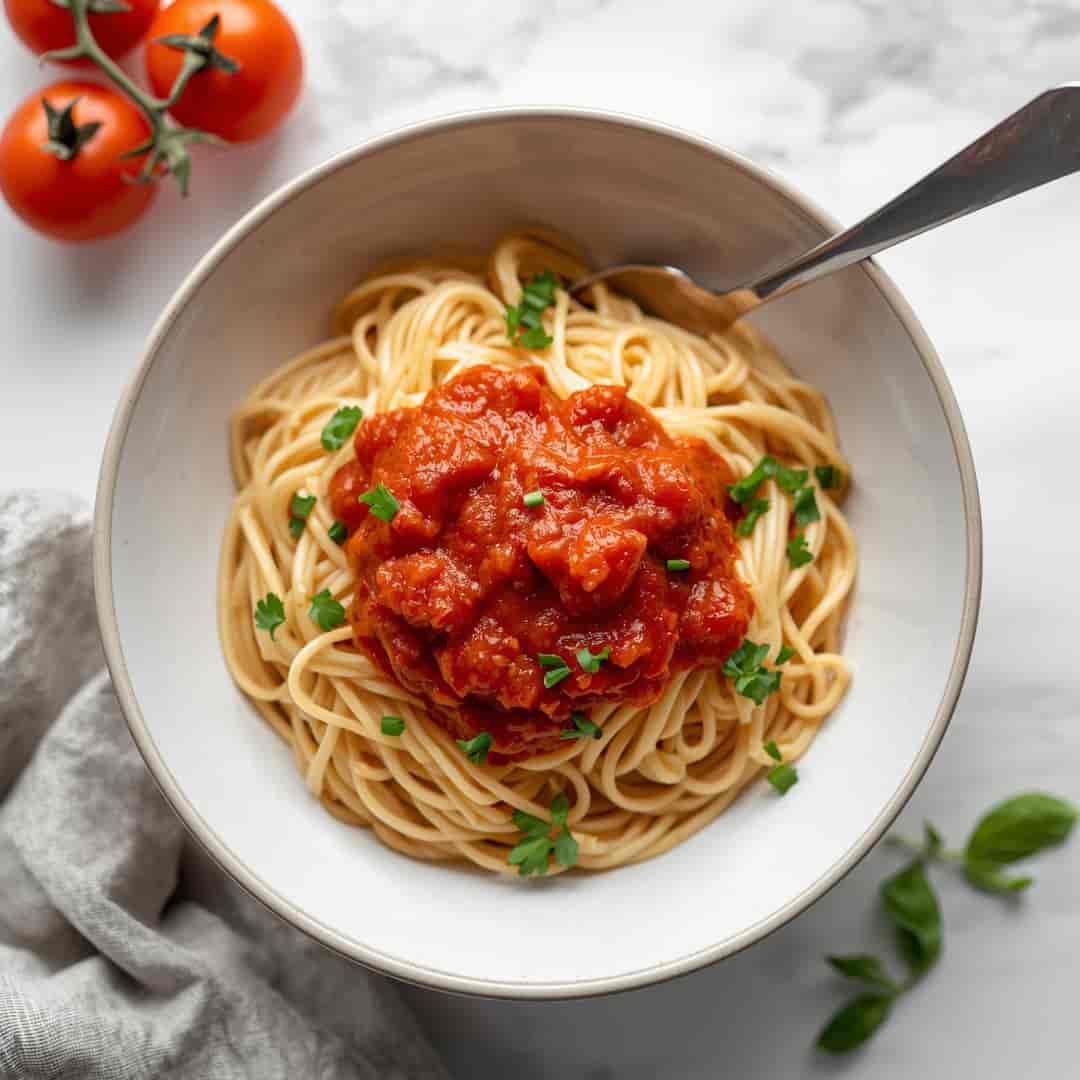
This roasted tomato spaghetti sauce is a game-changer, transforming simple ingredients into a rich, deeply flavorful pasta dish that’s both comforting and undeniably delicious. Forget bland, jarred sauces; this recipe brings restaurant-quality taste right to your table, making it an essential addition to your culinary repertoire for quick and satisfying meals.
Key Ingredients for Roasted Tomato Spaghetti Sauce
Here’s everything you’ll need to create this incredibly flavorful sauce:
- 2.5 lbs (approx. 1.1 kg) Ripe Roma Tomatoes: Halved lengthwise. Roma tomatoes are ideal for their meatiness and lower water content.
- ½ large Red Onion: Roughly chopped into large pieces.
- 4-5 cloves Garlic: Peeled and smashed.
- ¼ cup Olive Oil: Extra virgin olive oil for roasting and sautéing.
- 1 tsp Dried Oregano: Or 1 tablespoon fresh oregano, chopped.
- ½ tsp Red Pepper Flakes: (Optional, adjust to taste for a kick).
- 1 (14.5 oz / 411g) can Crushed Tomatoes: For added depth and body.
- 1-2 Tbsp Fresh Basil Leaves: Chiffonade (thinly sliced) for garnish.
- 1 tsp Sugar: (Optional, helps balance acidity if tomatoes are very tart).
- Salt and Freshly Ground Black Pepper: To taste.
- 1 lb (450g) Spaghetti or Pasta of choice: Cooked according to package directions.
- Parmesan Cheese and/or Fresh Mozzarella: For serving.
How to Make Roasted Tomato Spaghetti Sauce
Get ready to discover a simple yet profoundly delicious meal. This roasted tomato spaghetti sauce is incredibly easy to prepare, relying on the magic of roasting to deepen the flavors of fresh tomatoes, garlic, and onion. With minimal fuss and a preparation time of just around 15 minutes, followed by roasting, you’ll be rewarded with a rich, satisfying, and authentically Italian-inspired sauce that will become a go-to family favorite.
● Step-by-Step Instructions:
- Preheat and Prepare: Preheat your oven to 400°F (200°C). Line a large baking sheet with parchment paper for easier cleanup.
- Roast the Vegetables: On the prepared baking sheet, arrange the halved Roma tomatoes, chopped red onion, and smashed garlic cloves in a single layer. Drizzle generously with ¼ cup of olive oil, then sprinkle with dried oregano, red pepper flakes (if using), and a good pinch of salt and pepper. Toss gently to ensure everything is coated.
- Bake to Perfection: Roast in the preheated oven for 30-40 minutes, or until the tomatoes are soft, slightly shriveled, and caramelized around the edges, and the garlic is fragrant and tender. The edges of the onion should also be lightly browned.
- Blend the Sauce (Optional, for smoother texture): Once roasted, carefully transfer the roasted vegetables from the baking sheet to a high-speed blender or food processor. Add the canned crushed tomatoes. Blend until your desired consistency is reached. For a chunkier sauce, you can mash the roasted vegetables with a potato masher in a large pot, then stir in the crushed tomatoes.
- Simmer and Season: Pour the blended or mashed sauce into a large pot or Dutch oven. Bring the sauce to a gentle simmer over medium-low heat. If using, stir in the optional sugar to balance the acidity. Let it simmer for at least 15-20 minutes, allowing the flavors to meld and deepen. Taste and adjust seasoning with more salt and pepper as needed.
- Cook the Pasta: While the sauce simmers, cook your spaghetti according to package directions until al dente. Reserve about ½ cup of the pasta cooking water before draining.
- Combine and Serve: Add the drained spaghetti directly to the pot with the roasted tomato spaghetti sauce. Toss well to coat the pasta evenly. If the sauce seems too thick, add a tablespoon or two of the reserved pasta water until you reach your desired consistency.
- Garnish and Enjoy: Serve immediately, garnished generously with fresh basil chiffonade, grated Parmesan cheese, or thin slices of fresh mozzarella.
Why You’ll Love This Roasted Tomato Spaghetti Sauce
You’re going to fall head over heels for this roasted tomato spaghetti sauce because its main feature is the incredible depth of flavor achieved through slow-roasting the tomatoes, garlic, and onion. This process caramelizes the natural sugars, creating a sweet, savory, and subtly smoky base that’s miles beyond any store-bought alternative. Making this at home is a fantastic cost-saver too, turning inexpensive produce into a gourmet meal that easily rivals pricier restaurant versions, allowing you to feed your family well without breaking the bank.
Beyond the cost savings, what truly sets this sauce apart are the vibrant notes of fresh basil and the option for a kick of red pepper flakes, alongside the luxurious finish of grated Parmesan or melted fresh mozzarella. It’s truly a weeknight luxury that tastes like a weekend project – think of it as the elevated cousin to a classic marinara. Don’t just take our word for it; give this a try tonight and discover your new favorite homemade pasta dish!
What to Serve Roasted Tomato Spaghetti Sauce With
This savory roasted tomato spaghetti sauce with its rich, vibrant flavors pairs beautifully with a variety of complementary dishes. To round out your meal, consider serving it alongside:
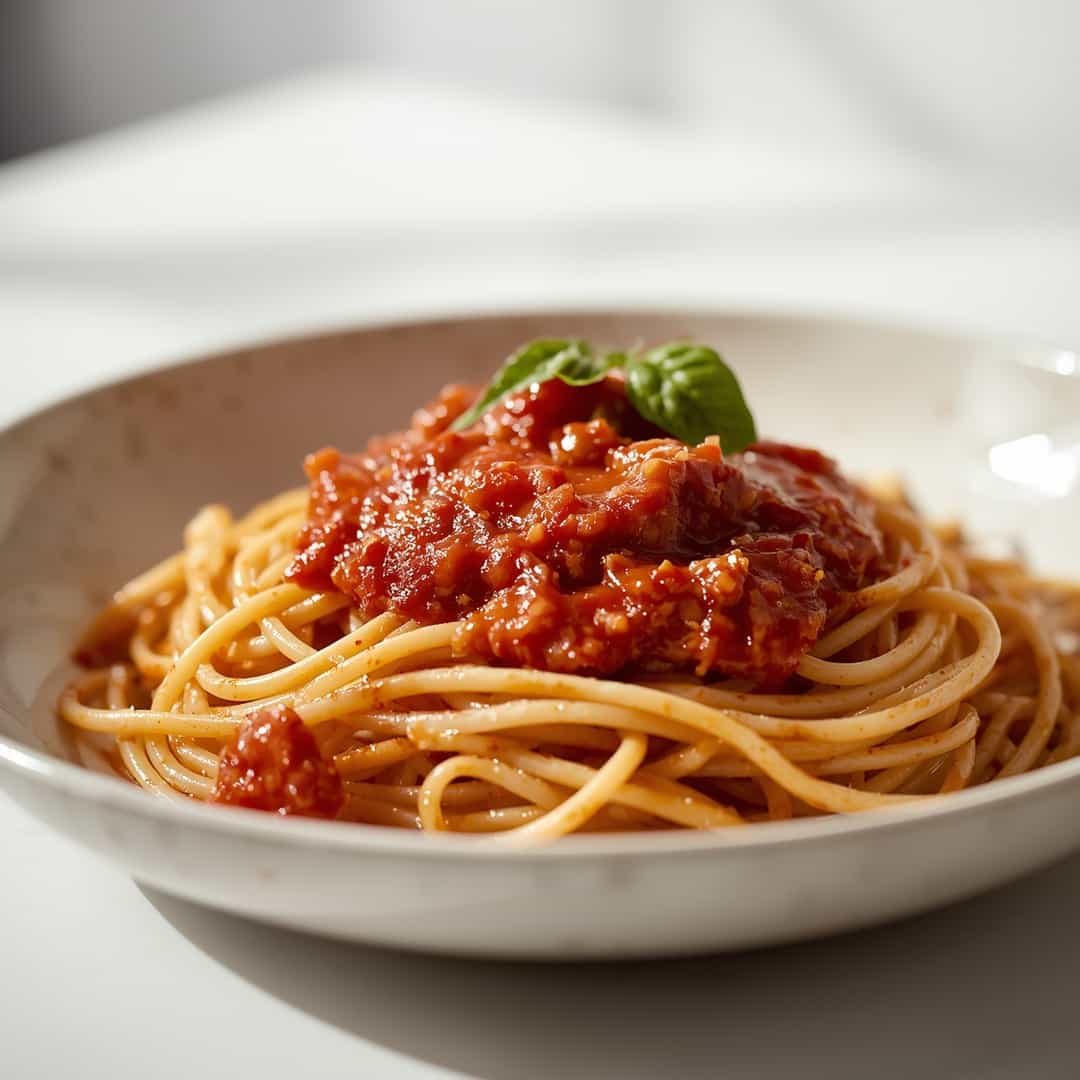
- Crusty Garlic Bread: Essential for soaking up every last drop of that delicious sauce.
- Simple Green Salad with Balsamic Vinaigrette: A light, refreshing counterpoint to the richness of the pasta.
- Grilled Chicken or Italian Sausage: For a heartier meal, grill or sauté some chicken breasts or spicy Italian sausage and slice them over your pasta.
- Steamed or Roasted Asparagus: Provides a lovely green vegetable side that’s both healthy and delicious.
- A glass of Chianti or a crisp Pinot Grigio: The perfect wine pairings to complement the tomato-based sauce.
Top Tips for Perfecting Roasted Tomato Spaghetti Sauce
Achieving the perfect roasted tomato spaghetti sauce is all about careful execution and understanding your ingredients. Here are some invaluable tips:
- Use Ripe Tomatoes: The quality of your tomatoes dramatically impacts the sauce. Look for ripe, firm Roma tomatoes, or even cherry tomatoes, which roast beautifully and intensify in sweetness. Avoid underripe or mealy tomatoes.
- Don’t Skimp on Olive Oil: Olive oil is crucial for caramelization and flavor. Ensure your vegetables are well-coated before roasting.
- Roast Until Deeply Caramelized: Don’t pull the vegetables out too early. The magic happens when the tomatoes shrivel, the garlic softens, and the onions get sweet and slightly browned. This deep caramelization creates the complex flavor profile.
- Adjust Seasoning Throughout: Taste your sauce at every stage – after roasting, after blending, and after simmering. Tomatoes can vary in acidity, so you may need more salt, pepper, or even a pinch of sugar to balance the flavors.
- Spice It Up (or Down): The red pepper flakes are optional. For a milder sauce, omit them. For more heat, add a little extra.
- Blending Consistency: For a rustic sauce, simply mash the roasted vegetables. For a silky smooth sauce, use a high-speed blender. You can even blend half and mash half for a sauce with some texture.
- Utilize Pasta Water: Always reserve some pasta cooking water. It’s starchy and salty, perfect for thinning out the sauce to the ideal consistency and helping it cling to the pasta.
- Fresh Herbs are Key: While dried oregano is great for roasting, fresh basil added at the end brightens the flavor considerably. Don’t skip it!
Storing and Reheating Tips
One of the great things about this roasted tomato spaghetti sauce is that it stores beautifully, often tasting even better the next day as the flavors continue to meld.
- Refrigeration: Store leftover sauce (without the pasta mixed in, if possible) in an airtight container in the refrigerator for up to 4-5 days. If the pasta is already mixed in, it’s best consumed within 2-3 days, as pasta can absorb too much sauce and become mushy.
- Freezing: This sauce freezes exceptionally well. Allow the sauce to cool completely before transferring it to freezer-safe containers or heavy-duty freezer bags. Lay bags flat to save space. It can be frozen for up to 3 months. Thaw overnight in the refrigerator or gently reheat from frozen in a saucepan over low heat, stirring occasionally.
- Reheating: For optimal taste, reheat the sauce gently on the stovetop over medium-low heat, stirring occasionally, until warmed through. If the sauce has thickened too much in the fridge, add a splash of water, vegetable broth, or even a little red wine to loosen it up. If reheating pasta already mixed with sauce, you might want to add a tablespoon of water or broth to prevent it from drying out.
Final Thoughts
This roasted tomato spaghetti sauce is more than just a recipe; it’s an invitation to experience the incredible depth that simple, fresh ingredients can achieve. With its rich, comforting flavors and straightforward preparation, it’s destined to become a beloved staple in your kitchen. Go ahead, give it a try – you’ll be so glad you did!
Read more :
- Homemade Ketchup And Tomato Condiments
- Carolina BBQ Mustard Sauce Recipe
- Enchilada Sauce Homemade Canned
- our Pinterest
Roasted Tomato Spaghetti Sauce FAQs
Q1: Can I use different types of tomatoes for this roasted tomato spaghetti sauce?
A1: Yes, while Roma tomatoes are recommended for their meatiness, you can absolutely use other ripe tomatoes. Cherry or grape tomatoes are fantastic and become very sweet when roasted. Larger heirloom tomatoes can also work, but you might need to adjust roasting time and ensure they are well-drained of excess liquid.
Q2: Do I have to blend the sauce? I prefer a chunkier texture.
A2: Absolutely not! Blending is optional. For a chunkier, more rustic sauce, simply use a potato masher or the back of a spoon to mash the roasted vegetables directly in the pot. You’ll still get incredible flavor, just with more texture.
Q3: How can I make this roasted tomato spaghetti sauce spicier?
A3: To add more heat, increase the amount of red pepper flakes during the roasting process. You can also add a pinch of cayenne pepper or a fresh pinch of finely minced jalapeño or serrano pepper when sautéing the garlic and onion (before roasting, if you skip roasting the onion).
Q4: Can I add meat to this sauce?
A4: Yes! This sauce is a perfect base for meatballs, Italian sausage, or ground beef/pork. Brown your preferred meat in a separate pan, drain any excess fat, then add it to the sauce during the simmering stage to let the flavors meld.
Q5: Is this roasted tomato spaghetti sauce suitable for dietary restrictions (e.g., vegan, gluten-free)?
A5: Yes! This sauce is inherently vegan and gluten-free (just ensure your crushed tomatoes are free of additives). Serve it with gluten-free pasta for a completely gluten-free meal.
Q6: What if my sauce tastes too acidic?
A6: If your sauce tastes too acidic, you can combat this by adding a pinch or two of sugar during the simmering stage. A tiny amount won’t make it sweet but will help balance the acidity of the tomatoes. Another trick is to add a small amount of baking soda (about ¼ teaspoon at a time), which neutralizes acid without affecting flavor, but be careful not to add too much or it can taste soapy.