
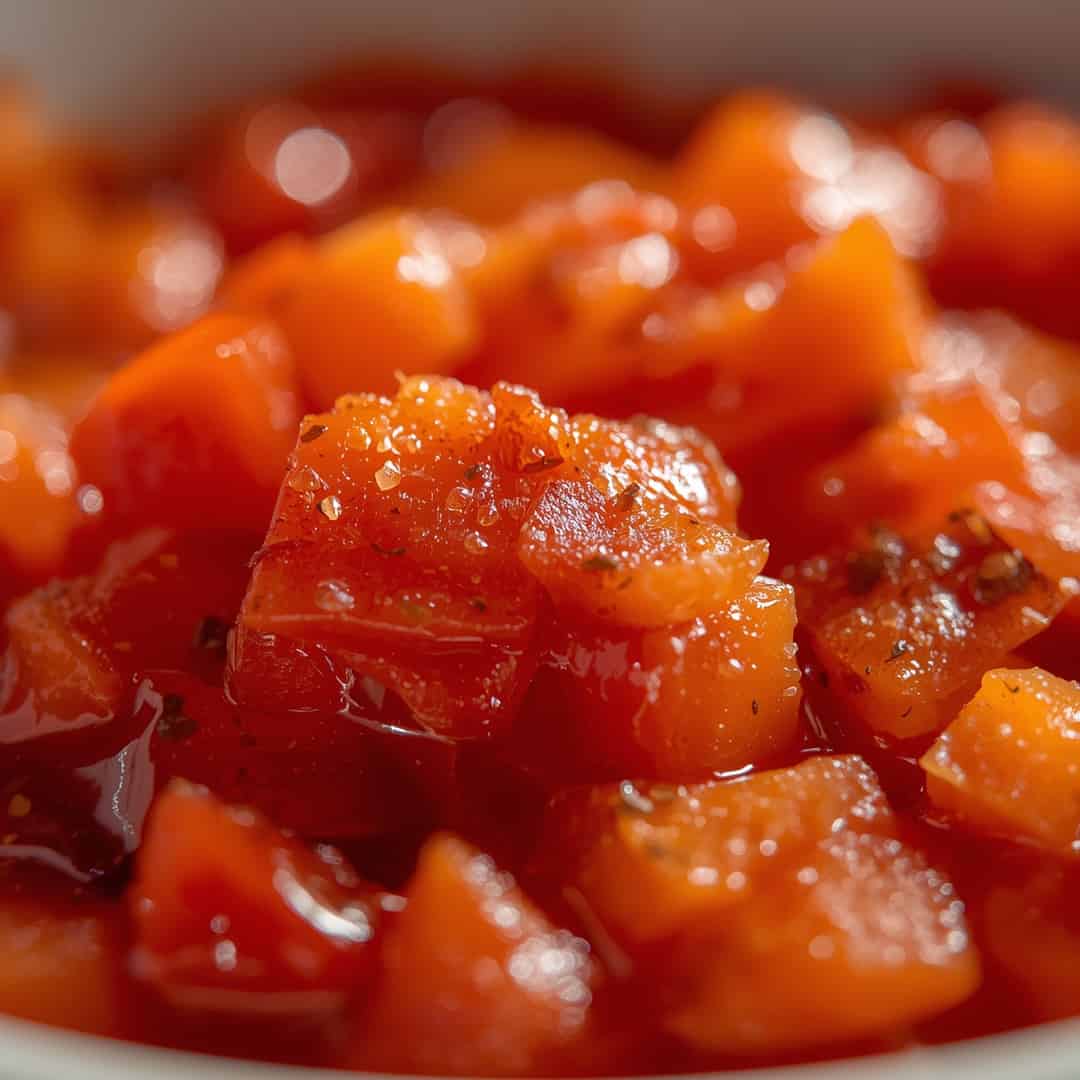
Preserving the Flavor of Summer: Canning Diced Tomatoes for Year-Round Delight are essential for any home cook looking to capture the vibrant taste of peak-season produce, offering unparalleled versatility for a multitude of culinary creations. This comprehensive guide will walk you through the simple, yet rewarding, process of canning your own diced tomatoes, ensuring you have a pantry staple that elevates your dishes throughout the year.
Key Ingredients for Canning Diced Tomatoes:
- Fresh, Ripe Tomatoes: 10 bushels (approximately 20 pounds) of high-quality, ripe tomatoes. Roma, San Marzano, or other paste-type tomatoes are ideal due to their lower water content and fewer seeds, but any perfectly ripe slicing tomato will work.
- Citric Acid or Lemon Juice: 1/4 cup bottled lemon juice OR 1 teaspoon citric acid per quart jar. This is crucial for ensuring the proper acidity level for safe water bath canning.
- Salt (Optional): 1 teaspoon canning/pickling salt per quart jar (or 1/2 teaspoon per pint jar). This is purely for flavor and can be omitted if you prefer unsalted tomatoes.
How to Make Canning Diced Tomatoes:
Canning diced tomatoes is a deeply satisfying way to preserve fresh, sun-ripened goodness. This straightforward process guarantees a pantry staple that’s far superior to store-bought versions, bursting with authentic tomato flavor. With just a few essential ingredients and some basic canning equipment, you can transform your garden bounty or farmer’s market haul into jars of pure culinary sunshine, ready to enhance soups, sauces, stews, and more. The preparation time is approximately 1 hour, with an additional 35-45 minutes for processing each batch.
Step-by-Step Instructions:
Prepare Your Canning Jars and Lids: Wash all your canning jars, lids, and bands thoroughly in hot, soapy water. Rinse them well. Keep the jars hot in a simmering pot of water or in a warm oven (around 225°F or 107°C) until you are ready to fill them. This prevents thermal shock and breakage when adding hot tomatoes. Heat your lids according to the manufacturer’s instructions, usually by simmering them in water without boiling.
Wash and Prepare the Tomatoes: Gently wash all your fresh tomatoes under cool running water, removing any dirt or debris. Core the tomatoes by removing the stem end. You can then choose your preferred method for peeling. The easiest way is to blanch them: make a small “X” cut on the bottom of each tomato. Submerge a few tomatoes at a time in boiling water for 30-60 seconds, or until the skins begin to loosen. Immediately plunge them into a bowl of ice water. The skins should slip off easily.
Dice the Tomatoes: Once peeled and cored, dice the tomatoes into your desired size. Aim for roughly 1/2-inch to 3/4-inch pieces for even cooking and optimal jar filling. Don’t worry about removing all the seeds and juice; this liquid will contribute to the canning liquid.
Pack the Jars: Working with one hot jar at a time, begin packing the diced tomatoes into the jars. Leave a headspace of 1/2 inch (about the width of your finger) between the top of the tomatoes and the rim of the jar.
Add Preservatives and Seasoning: To each quart jar, add 1/4 cup of bottled lemon juice or 1 teaspoon of citric acid. If using salt for flavor, add 1 teaspoon of canning/pickling salt to each quart jar (or 1/2 teaspoon to each pint jar). For pint jars, use 2 tablespoons of lemon juice or 1/2 teaspoon of citric acid.
Fill with Tomato Juice: Hot tomatoes will release their own juice as they are packed and heated. Gently stir the tomatoes in the jar to remove any air bubbles. If necessary, add more diced tomatoes to maintain the 1/2-inch headspace. If the tomatoes haven’t released enough liquid to cover them, you can add boiling water to maintain the headspace.
Wipe Jar Rims: Using a clean, damp cloth, carefully wipe the rims of each jar to remove any food particles or sticky residue. This ensures a good seal.
Apply Lids and Bands: Center a prepared lid onto each jar rim. Screw on the bands fingertip-tight, meaning you tighten them until you feel a slight resistance, but not so tight that you crush the lid.
Process in a Water Bath Canner: Place a canning rack at the bottom of your large water bath canner. Add enough water to cover the jars by at least 1-2 inches. Bring the water to a rolling boil. Carefully lower the filled jars onto the rack using a jar lifter. Ensure the jars are not touching each other. Once the water returns to a rolling boil, begin processing the jars.
Processing Times: Process quart jars for 45 minutes and pint jars for 35 minutes. Adjust processing times for altitudes above 1,000 feet according to reliable canning guidelines (e.g., the National Center for Home Food Preservation).
Cooling and Checking Seals: After the processing time is complete, turn off the heat, remove the canner lid, and let the jars sit in the hot water for another 5 minutes to prevent siphoning. Carefully remove the jars from the canner using a jar lifter and place them upright on a wire rack or a towel-lined counter to cool completely. Do not tighten the bands. Allow the jars to cool undisturbed for 12-24 hours. You will know they have sealed if the center of the lid is concave (pulled down) and does not flex when pressed.
Remove Bands and Store: Once the jars are completely cool, remove the bands. Wash the outside of the jars and lids with warm, soapy water to remove any residual canning liquid or salt. Dry them thoroughly. Store the sealed jars in a cool, dark, dry place.
Why You’ll Love This Canning Diced Tomatoes:
You’ll absolutely adore having jars of canning diced tomatoes ready to go all year! The main feature is undoubtedly the incredible freshness and pure tomato flavor that no store-bought can match. Making your own also presents a fantastic cost-saving benefit; buying tomatoes in bulk when they’re on sale or picking them from your garden is significantly cheaper than purchasing pre-canned options throughout the year. Imagine the vibrant sauces, hearty chilis, and comforting soups you can whip up in a fraction of the time, all thanks to this simple preservation method.
Unlike a bland, watery can of diced tomatoes, your homemade version will boast a rich, complex tomato taste that forms the perfect foundation for any dish. Think of the summer garden captured in every bite, a stark contrast to the often muted flavor of mass-produced alternatives. So, what are you waiting for? Gather your tomatoes, get your jars ready, and experience the joy and satisfaction of canning diced tomatoes—your future self will thank you!
Storing and Reheating Tips:
- Storage: Properly sealed canned diced tomatoes will last indefinitely if stored correctly. However, for optimal quality and flavor, use them within 12-18 months. Store them in a cool (50-70°F or 10-21°C), dark, dry place, away from direct sunlight and temperature fluctuations. Always store jars without their bands to allow for easy detection of seal failures.
- Checking Seals: Before using any jar, always check the seal. The lid should be concave and make a “pop” sound when opened. If a lid is bulging, the seal has failed, and the contents should be discarded or refrigerated and used immediately.
- Reheating: To reheat, simply open a jar of your canned diced tomatoes and pour the contents into a pot. Heat gently over medium-low heat until warmed through. You can add seasonings, herbs, or other vegetables to enhance the flavor further.
- Freezing Unprocessed Tomatoes: If you have a surplus and don’t have time for canning, you can freeze whole or chopped tomatoes. Wash, core, and freeze them on a baking sheet until solid, then transfer to freezer bags. Frozen tomatoes can be used for cooking but will have a softer texture upon thawing and are best suited for cooked dishes like sauces and soups.
Final Thoughts:
Canning diced tomatoes is a deeply rewarding process that brings the taste of summer into your kitchen all year long. It’s a simple, economical, and incredibly satisfying way to ensure you always have a high-quality ingredient at your fingertips. So, embrace the harvest and give this wonderful canning project a try at home – you won’t regret it!.
Read more :
- Canning Corn on the Cob
- Canning Vegetable Soup
- Pickled Mixed Vegetables (Giardiniera)
- Canning Vegetable Stock
- Pressure Canning Green Beans
- our Pinterest
Canning Diced Tomatoes
Ingredients
Equipment
Method
- Wash all your canning jars, lids, and bands thoroughly in hot, soapy water. Rinse them well. Keep the jars hot in a simmering pot of water or in a warm oven (around 225°F or 107°C) until you are ready to fill them. Heat your lids according to the manufacturer’s instructions, usually by simmering them in water without boiling.
- Gently wash all your fresh tomatoes under cool running water, removing any dirt or debris. Core the tomatoes by removing the stem end. Make a small “X” cut on the bottom of each tomato. Submerge a few tomatoes at a time in boiling water for 30-60 seconds, or until the skins begin to loosen. Immediately plunge them into a bowl of ice water. The skins should slip off easily.Fresh, Ripe Tomatoes
- Once peeled and cored, dice the tomatoes into your desired size. Aim for roughly 1/2-inch to 3/4-inch pieces for even cooking and optimal jar filling. Don’t worry about removing all the seeds and juice; this liquid will contribute to the canning liquid.Fresh, Ripe Tomatoes
- Working with one hot jar at a time, begin packing the diced tomatoes into the jars. Leave a headspace of 1/2 inch (about the width of your finger) between the top of the tomatoes and the rim of the jar.
- To each quart jar, add 1/4 cup of bottled lemon juice or 1 teaspoon of citric acid. If using salt for flavor, add 1 teaspoon of canning/pickling salt to each quart jar (or 1/2 teaspoon to each pint jar). For pint jars, use 2 tablespoons of lemon juice or 1/2 teaspoon of citric acid.1/4 cup bottled lemon juice, 1 teaspoon citric acid, 1 teaspoon canning/pickling salt
- Hot tomatoes will release their own juice as they are packed and heated. Gently stir the tomatoes in the jar to remove any air bubbles. If necessary, add more diced tomatoes to maintain the 1/2-inch headspace. If the tomatoes haven’t released enough liquid to cover them, you can add boiling water to maintain the headspace.
- Using a clean, damp cloth, carefully wipe the rims of each jar to remove any food particles or sticky residue. This ensures a good seal.
- Center a prepared lid onto each jar rim. Screw on the bands fingertip-tight, meaning you tighten them until you feel a slight resistance, but not so tight that you crush the lid.
- Place a canning rack at the bottom of your large water bath canner. Add enough water to cover the jars by at least 1-2 inches. Bring the water to a rolling boil. Carefully lower the filled jars onto the rack using a jar lifter. Ensure the jars are not touching each other. Once the water returns to a rolling boil, begin processing the jars.
- Process quart jars for 45 minutes and pint jars for 35 minutes. Adjust processing times for altitudes above 1,000 feet according to reliable canning guidelines.
- After the processing time is complete, turn off the heat, remove the canner lid, and let the jars sit in the hot water for another 5 minutes to prevent siphoning. Carefully remove the jars from the canner using a jar lifter and place them upright on a wire rack or a towel-lined counter to cool completely. Do not tighten the bands. Allow the jars to cool undisturbed for 12-24 hours. You will know they have sealed if the center of the lid is concave (pulled down) and does not flex when pressed.
- Once the jars are completely cool, remove the bands. Wash the outside of the jars and lids with warm, soapy water to remove any residual canning liquid or salt. Dry them thoroughly. Store the sealed jars in a cool, dark, dry place.