
Preserving the harvest with canning sweet potatoes unlocks a world of convenience and flavor, offering a self-sufficient way to stock your pantry with this versatile root vegetable. This simple canning process ensures you have perfectly cooked sweet potatoes ready for any meal, from breakfast hashes to comforting side dishes, saving you time and money throughout the year.
Key Ingredients for Canning Sweet Potatoes
- 10-12 pounds of fresh, firm sweet potatoes (choose varieties suitable for canning like Beauregard or Jewel)
- Water, for boiling and preparation
- Lemon juice, bottled (not reconstituted from concentrate), 1/2 cup per quart jar (optional, but recommended for color retention and acidity)
How to Make Canning Sweet Potatoes
Canning sweet potatoes is a remarkably straightforward and rewarding endeavor, transforming fresh roots into shelf-stable goodness. This recipe focuses on a simple hot-pack method, ensuring each bite is tender and ready to be mashed, pureed, or sliced for your culinary creations. The entire preparation and canning process, including the initial boiling and packing, typically takes around 2-3 hours, excluding the cooling and processing time.
Step-by-Step Instructions
Prepare Your Equipment: Gather all your canning supplies. You will need canning jars (quartz or pint-sized), new lids, and bands. Make sure your jars, lids, and bands have been washed and sterilized according to manufacturer instructions. A large pot for boiling sweet potatoes, a sharp knife, a potato peeler, and a ladle will also be essential. Ensure your canner (a large pot with a rack) is clean and ready.
Wash and Peel the Sweet Potatoes: Thoroughly wash the sweet potatoes under cool running water to remove any dirt or debris. Use a vegetable peeler to remove the skin. Discard the peels.
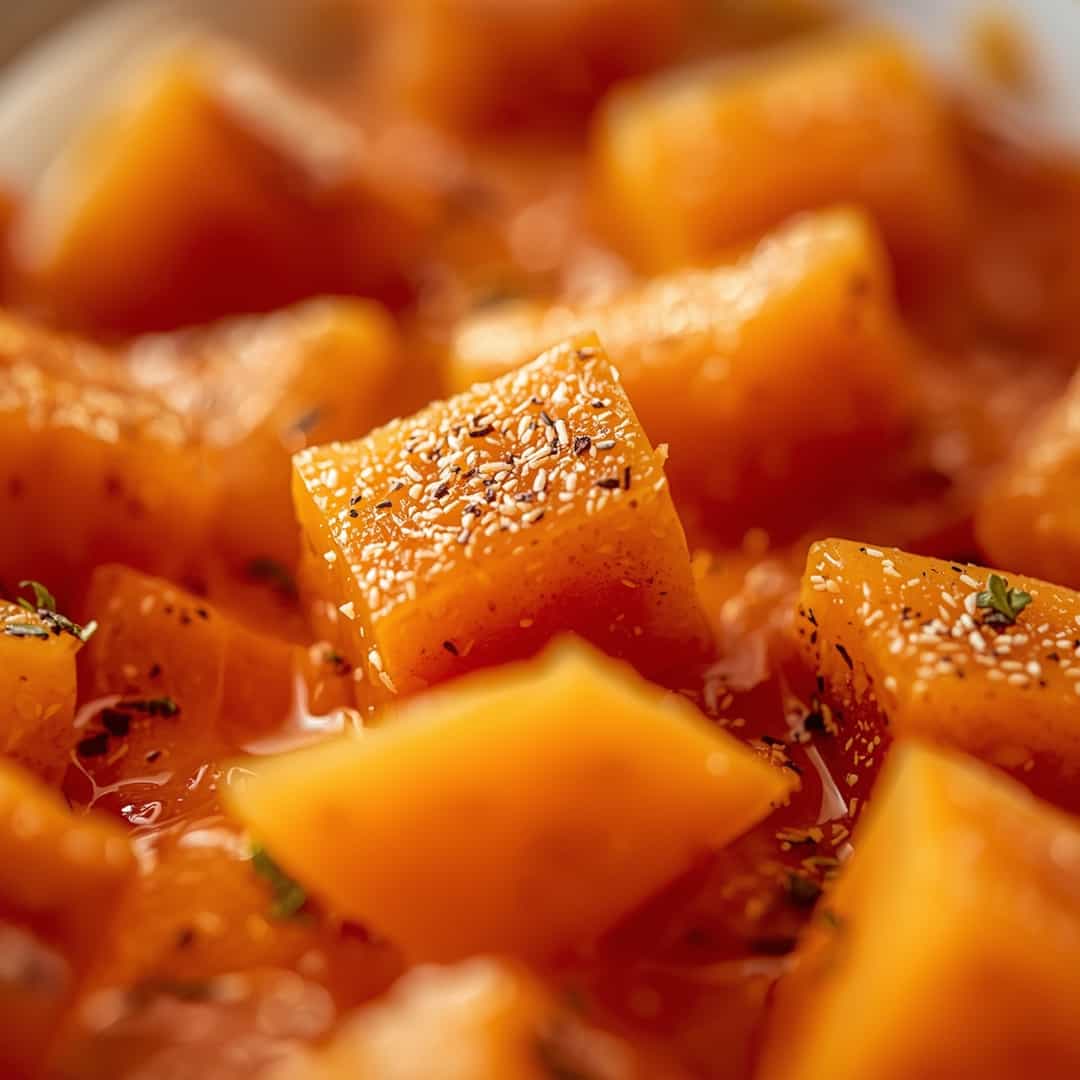
Cut the Sweet Potatoes: Cut the peeled sweet potatoes into uniform pieces. You can choose to cut them into 1-inch cubes, 1/2-inch thick slices, or even leave them as whole small potatoes if they fit your jars. Uniformity in size is key for even cooking and packing.
Blanch the Sweet Potatoes: Bring a large pot of water to a rolling boil. Add the cut sweet potatoes in batches, being careful not to overcrowd the pot. Boil for 2-3 minutes. This blanching step helps to soften the sweet potatoes slightly, remove some of the starchy enzyme that can darken them, and prepares them for packing into jars.
Prepare the Jars (Hot Pack Method): While the sweet potatoes are blanching, if you are using lemon juice for color retention and acidity, measure your desired amount into the bottom of each clean, sterilized canning jar. For quart jars, add 1/2 cup of lemon juice. For pint jars, add 1/4 cup.
Pack the Jars: Using a slotted spoon, carefully transfer the blanched sweet potato pieces into the prepared canning jars, packing them firmly but without crushing them. Leave a 1-inch headspace at the top of each jar.
Add Hot Water: Ladle hot water over the sweet potatoes in each jar, ensuring they are completely submerged. Maintain the 1-inch headspace. Remove any air bubbles by gently running a non-metallic utensil (like a wooden chopstick or plastic spatula) around the inside of the jar.
Wipe Jar Rims: Carefully wipe the rims of each jar with a clean, damp cloth. This is crucial to ensure a good seal.
Place Lids and Bands: Center a new, clean canning lid on each jar. Screw on the bands fingertip tight. Do not overtighten.
Process in a Water Bath Canner: Place the filled jars on the rack in your water bath canner. Ensure the jars are covered by at least 1 inch of water. Bring the water to a rolling boil, then begin timing. Process quart jars for 90 minutes and pint jars for 75 minutes at a vigorous boil. Adjust processing time for altitudes above 1,000 feet as per canning guidelines.
Cool and Check Seals: Once the processing time is complete, turn off the heat but leave the jars in the canner for 5 minutes. Then, carefully remove the jars using jar lifters and place them upright on a towel-lined counter. Allow them to cool undisturbed for 12-24 hours. You will hear popping sounds as the lids seal. After cooling, check each lid for a seal by pressing the center. If the lid does not flex up and down, it is sealed. If a lid hasn’t sealed, refrigerate the jar and use its contents within a few days.
Why You’ll Love Canning Sweet Potatoes
You’ll absolutely adore having perfectly canned sweet potatoes at your fingertips, ready to transform everyday meals into something special. The main feature is their incredible versatility; they retain their naturally sweet and earthy flavor, making them ideal for everything from creamy mashes to fluffy baked additions. Beyond the delicious outcome, the cost-saving benefit of canning sweet potatoes at home is immense. Buying in bulk during peak season when prices are low and canning them yourself significantly reduces your grocery bill compared to purchasing pre-packaged canned sweet potatoes or even fresh ones year-round. This homemade treasure offers pure, unadulterated sweetness without added sugars or preservatives, making it a healthier and more economical choice.
Imagine the convenience of pulling a jar from your pantry knowing you have a healthy, delicious ingredient ready to go. Unlike some home-canned vegetables that can have a slightly softer texture, these sweet potatoes are preserved to maintain a pleasing bite, making them a fantastic alternative to roasted sweet potatoes or even canned pumpkin puree in certain recipes. Ready to embark on a journey of pantry self-sufficiency and delicious homemade goodness? Give canning sweet potatoes a try – your future meals will thank you!
Storing and Reheating Tips
Proper storage is key to enjoying your canned sweet potatoes for the longest possible time. Store sealed jars in a cool, dark, and dry place. A pantry, cellar, or basement is ideal, away from direct sunlight, heat sources, and extreme temperature fluctuations. When stored correctly, properly sealed jars of canned sweet potatoes can last for up to 18 months to 2 years. Always check the seal before opening; if the lid is convex (bulges upward) or if the lid makes a ‘hiss’ sound when first opened, discard the contents immediately as this indicates spoilage and potential botulism risk.
To use your canned sweet potatoes, simply open a jar as needed. If the sweet potatoes are whole or in large chunks, you may wish to gently mash or chop them further to suit your recipe. They can be reheated by placing them in a saucepan with a splash of water or broth over medium heat, stirring occasionally until warmed through. Alternatively, they can be added directly to casseroles, soups, or baked goods without pre-reheating. Freezing is not generally recommended for canned goods once they have been processed and sealed, as it can affect texture and seal integrity.
Final Thoughts
Canning sweet potatoes is a wonderfully rewarding way to secure a staple for your kitchen, offering both convenience and delicious flavor. Embrace this simple preservation technique to fill your pantry with wholesome goodness, and enjoy the taste of autumn whenever you please.
Read more :
- Canning Corn on the Cob
- Canning Vegetable Soup
- Pickled Mixed Vegetables (Giardiniera)
- Canning Vegetable Stock
- Pressure Canning Green Beans
- our Pinterest
Canning Sweet Potatoes
Ingredients
Equipment
Method
- Gather all your canning supplies. You will need canning jars (quartz or pint-sized), new lids, and bands. Make sure your jars, lids, and bands have been washed and sterilized according to manufacturer instructions. A large pot for boiling sweet potatoes, a sharp knife, a potato peeler, and a ladle will also be essential. Ensure your canner (a large pot with a rack) is clean and ready.
- Thoroughly wash the sweet potatoes under cool running water to remove any dirt or debris. Use a vegetable peeler to remove the skin. Discard the peels.10-12 pounds fresh, firm sweet potatoes
- Cut the peeled sweet potatoes into uniform pieces. You can choose to cut them into 1-inch cubes, 1/2-inch thick slices, or even leave them as whole small potatoes if they fit your jars. Uniformity in size is key for even cooking and packing.10-12 pounds fresh, firm sweet potatoes
- Bring a large pot of water to a rolling boil. Add the cut sweet potatoes in batches, being careful not to overcrowd the pot. Boil for 2-3 minutes. This blanching step helps to soften the sweet potatoes slightly, remove some of the starchy enzyme that can darken them, and prepares them for packing into jars.10-12 pounds fresh, firm sweet potatoes, water
- While the sweet potatoes are blanching, if you are using lemon juice for color retention and acidity, measure your desired amount into the bottom of each clean, sterilized canning jar. For quart jars, add 1/2 cup of lemon juice. For pint jars, add 1/4 cup.1/2 cup lemon juice, bottled
- Using a slotted spoon, carefully transfer the blanched sweet potato pieces into the prepared canning jars, packing them firmly but without crushing them. Leave a 1-inch headspace at the top of each jar.10-12 pounds fresh, firm sweet potatoes
- Ladle hot water over the sweet potatoes in each jar, ensuring they are completely submerged. Maintain the 1-inch headspace. Remove any air bubbles by gently running a non-metallic utensil (like a wooden chopstick or plastic spatula) around the inside of the jar.water
- Carefully wipe the rims of each jar with a clean, damp cloth. This is crucial to ensure a good seal.
- Center a new, clean canning lid on each jar. Screw on the bands fingertip tight. Do not overtighten.
- Place the filled jars on the rack in your water bath canner. Ensure the jars are covered by at least 1 inch of water. Bring the water to a rolling boil, then begin timing. Process quart jars for 90 minutes and pint jars for 75 minutes at a vigorous boil. Adjust processing time for altitudes above 1,000 feet as per canning guidelines.water
- Once the processing time is complete, turn off the heat but leave the jars in the canner for 5 minutes. Then, carefully remove the jars using jar lifters and place them upright on a towel-lined counter. Allow them to cool undisturbed for 12-24 hours. You will hear popping sounds as the lids seal. After cooling, check each lid for a seal by pressing the center. If the lid does not flex up and down, it is sealed. If a lid hasn’t sealed, refrigerate the jar and use its contents within a few days.