
The Best Easy Rhubarb Recipe Ideas: Fresh Flavor Made Simple
Rhubarb, that tart, vibrant stalk, often inspires fear in novice bakers, but it doesn’t have to! This guide focuses on simple, accessible ways to transform fresh rhubarb into delicious treats that highlight its unique flavor profile. Discover why incorporating this spring vegetable into your cooking is easier than you think, leading to stunning results with minimal fuss. If you are searching for accessible and delicious Easy Rhubarb Recipe Ideas, you have found your home base.
Why You Will Love This Recipe
This particular approach to preparing rhubarb is incredibly versatile and forgiving, making it one of the best Easy Rhubarb Recipe Ideas available. It requires minimal specialty equipment and comes together quickly, perfect for weeknight desserts or weekend brunches. The natural tartness of the rhubarb pairs beautifully with simple sweeteners, creating a balanced flavor that isn’t overwhelmingly sour. Furthermore, it’s a fantastic way to utilize seasonal produce when it’s at its peak freshness, bringing brightness to your table. It’s simple, delicious, and highlights the star ingredient effortlessly—what’s not to love?
Ingredients
- 2 cups chopped fresh rhubarb (about 1-inch pieces)
- 1 cup granulated sugar (adjust based on rhubarb tartness)
- 1/4 cup water
- 1 teaspoon vanilla extract (optional, for depth)
- 1 tablespoon cornstarch (for slight thickening, if desired)
Step-by-Step Instructions
- Prepare the Rhubarb: Thoroughly wash the rhubarb stalks and trim off the very ends. Chop the stalks into small, roughly 1-inch pieces. Discard any leaves, as they are toxic.
- Combine Ingredients: In a medium, heavy-bottomed saucepan, combine the chopped rhubarb, granulated sugar, and water.
- Simmer: Place the saucepan over medium heat. Stir gently until the sugar begins to dissolve and the mixture starts to simmer.
- Cook Down: Reduce the heat to low, cover the saucepan, and allow the rhubarb to cook for about 8 to 12 minutes. Stir occasionally. The rhubarb is done when it breaks down slightly and has released its juices, becoming tender but not completely mushy.
- Thicken (Optional Step): If you prefer a slightly thicker result (especially if using as a topping), mix the cornstarch with 1 tablespoon of cold water in a small bowl to create a slurry. Stir the slurry into the simmering rhubarb and cook for 1 minute until the mixture thickens slightly.
- Finish and Cool: Remove from the heat and stir in the vanilla extract, if using. Allow the rhubarb mixture to cool slightly before serving or storing.
Expert Tips / Pro Tips
To ensure success with any of these Easy Rhubarb Recipe Ideas, keep these tips in mind. Always taste your raw rhubarb before cooking; if it seems exceptionally tart, increase the sugar content by 1 to 2 tablespoons. Never skip washing the stalks thoroughly, as dirt tends to cling to the creases. When cooking, use a heavy-bottomed pot to prevent scorching at the bottom, as the high sugar content can caramelize quickly. If you want a vibrant red color retention, add a very small splash of lemon juice during the cooking process; the acidity helps stabilize the color.
Variations & Substitutions
This basic cooked rhubarb base is highly adaptable. For a citrus twist, substitute the water with fresh orange juice or add the zest of one lemon during cooking. To introduce warmth, try adding 1/2 teaspoon of ground cinnamon or a tiny pinch of ground ginger along with the sugar. If you want a different texture, rather than simmering, you can roast the rhubarb in the oven at 375°F (190°C) for 15-20 minutes, tossing it with sugar and a pat of butter before baking.
Serving Suggestions
The uses for this simple rhubarb preparation are nearly endless! It’s fantastic dolloped warm over vanilla bean ice cream or frozen yogurt for an instant dessert. Serve it alongside pancakes, waffles, or French toast for a bright brunch topping. It also makes an excellent, slightly tangy filling for simple thumbprint cookies or as a compote paired with Greek yogurt and granola for a healthy breakfast. For a more elegant finish, layer it into small glasses with crumbled shortbread cookies and whipped cream.
Storage, Freezing & Reheating
This cooked rhubarb mixture stores beautifully. Allow it to cool completely before transferring it to an airtight container. Stored in the refrigerator, it will last up to one week. For longer preservation, this recipe freezes exceptionally well. Portion the cooled rhubarb into freezer-safe bags or containers, leaving about half an inch of headspace for expansion. It can be frozen for up to 6 months. To reheat, gently warm on the stovetop over low heat or microwave in short bursts until desired temperature is reached.
Nutrition Information
The following table provides estimated nutritional information based on the primary ingredients listed above, assuming the recipe yields approximately 3 servings. Please note that final values will vary based on portion size and exact measurements of sugar used.
| Nutrient | Amount (Approximate per serving) |
|---|---|
| Calories | 150-180 kcal |
| Sugar | 30-35g |
| Fiber | 3g |
FAQ
Can I use frozen rhubarb instead of fresh?
Yes, frozen rhubarb works perfectly well for these Easy Rhubarb Recipe Ideas. There is no need to thaw it first. Simply add the frozen rhubarb directly to the saucepan with the sugar and water. You may need to increase the cooking time by an extra 5 minutes to account for the thawing process during cooking.
Is it possible to make this recipe without added sugar?
You can certainly try, but rhubarb is naturally very tart. If you eliminate refined sugar entirely, consider substituting it with a sugar alternative like stevia or monk fruit, following the equivalent conversion chart for the amount of sweetness desired. Alternatively, you can pair it with naturally sweet fruits like strawberries to reduce the need for added sugar.
What is the difference between rhubarb and celery?
Rhubarb is botanically a vegetable but is often used culinarily as a fruit. It has long, edible stalks that are intensely tart and typically cooked with sugar. Celery, on the other hand, is a common savory vegetable characterized by its crisp texture and mild, slightly salty flavor, used in stalks, leaves, and root form.
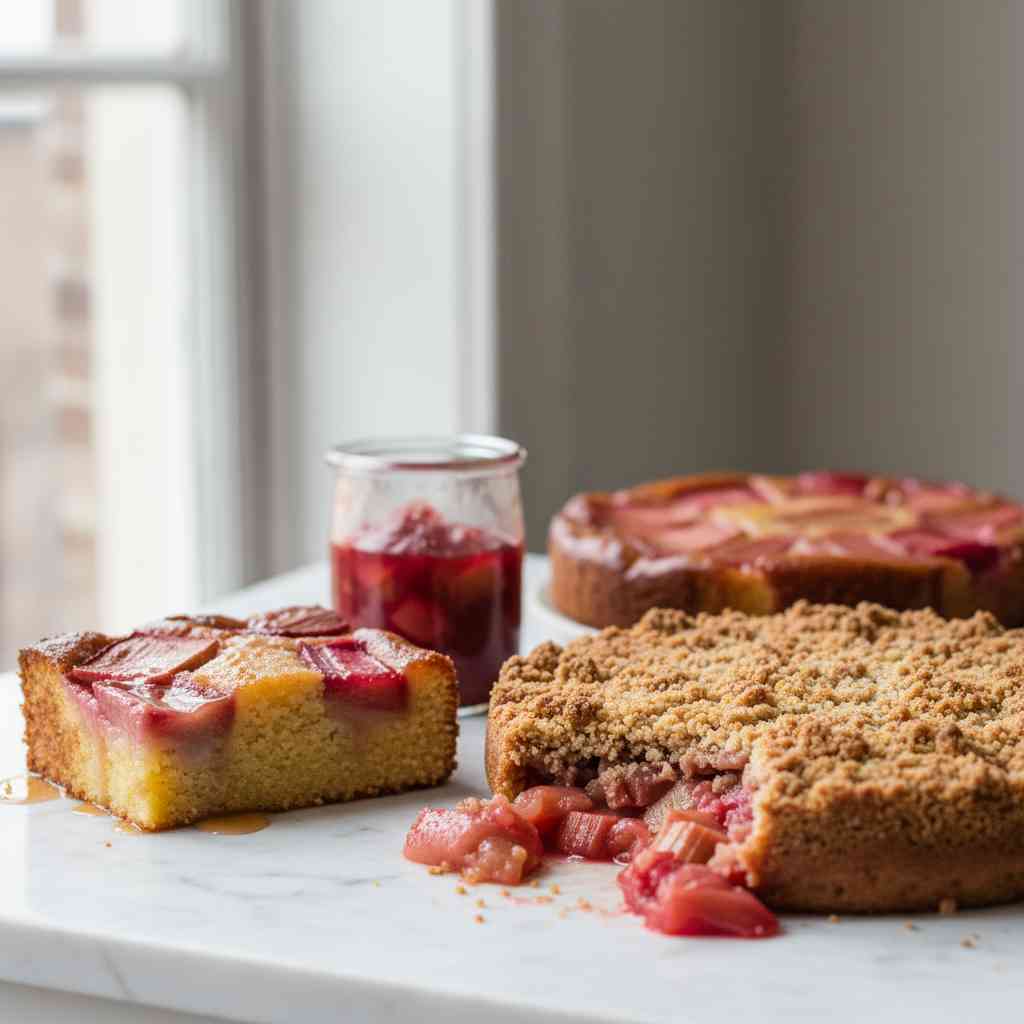
Easy Rhubarb Compote with Ginger
Ingredients
Method
- In a medium saucepan, combine the chopped rhubarb, granulated sugar, water, and grated fresh ginger.
- Place the saucepan over medium heat. Stir occasionally until the sugar dissolves and the mixture begins to simmer.
- Reduce the heat to medium-low, cover the saucepan loosely, and cook for 10-12 minutes, or until the rhubarb has softened significantly and broken down into a thick sauce consistency. Stir occasionally to prevent sticking.
- Remove the saucepan from the heat. Stir in the vanilla extract.
- Allow the compote to cool slightly. The mixture will continue to thicken as it cools. Taste and add a small amount of extra sugar if you prefer it sweeter.
- Serve warm or chilled over ice cream, yogurt, or oatmeal. Store leftovers in an airtight container in the refrigerator for up to one week.