
This recipe for Grain-Free Kibble for Cats is designed as a complete and balanced meal suitable for adult felines. It’s a fantastic alternative to conventional kibble, offering superior nutrition and the peace of mind that comes with knowing exactly what your cat is eating. The emphasis on high-quality protein and essential nutrients supports your cat’s overall health and well-being, from their shiny coat to their energetic play.
Key Ingredients for Grain-Free Cat Kibble
- 1 lb Boneless, Skinless Chicken Thighs or Breast: Provides lean protein essential for muscle health and energy.
- 1/2 cup Cooked Sweet Potato (mashed): A source of complex carbohydrates, fiber, and vitamins A and C for digestive health and immune support.
- 1/4 cup Cooked Chicken Liver (finely chopped): Rich in Vitamin A, B vitamins, and iron, crucial for vision, energy metabolism, and red blood cell production.
- 2 tablespoons Salmon Oil: An excellent source of omega-3 fatty acids for a healthy skin and coat, and joint support.
- 1 tablespoon Brewer’s Yeast: A good source of B vitamins, which aid in energy production and skin health.
- 1 teaspoon Calcium Carbonate (food grade): Essential for strong bones and teeth.
- 1/2 teaspoon Dicalcium Phosphate: Provides additional calcium and phosphorus for bone health.
- 1/4 teaspoon Taurine: An essential amino acid that cats cannot synthesize themselves, vital for heart and eye health.
- 1/4 cup Water: To help with blending and create the right kibble consistency.
Health Benefits
Choosing a Grain-Free Kibble for Cats like this one offers a wealth of benefits for your feline companion. By eliminating grains, we reduce the risk of potential sensitivities and allergies that can manifest as digestive upset or skin irritation for some cats. The high protein content from chicken thighs or breast meat is crucial for maintaining lean muscle mass, supporting activity levels, and providing sustained energy. Sweet potato offers a gentle source of fiber, promoting healthy digestion and regular bowel movements.
Chicken liver is a power-packed ingredient, delivering vital nutrients like Vitamin A for excellent vision and energy metabolism, and iron to prevent anemia. The inclusion of salmon oil brings essential omega-3 fatty acids, which are game-changers for skin and coat health, leading to a shinier, softer fur and potentially reducing dryness and itchiness. Brewer’s yeast contributes to a healthy coat and can also support the immune system. Lastly, the carefully balanced mineral blend, including calcium and dicalcium phosphate, ensures strong bones and teeth, while the crucial addition of taurine supports heart function and vision, making this a truly complete and nourishing meal.
How to Make Grain-Free Cat Kibble
This Grain-Free Kibble for Cats recipe is surprisingly easy to prepare, offering a nutritious alternative to store-bought options without requiring advanced culinary skills. It focuses on whole ingredients, ensuring optimal nutrient absorption and palatability for your feline friend. The prep time is minimal, making it a convenient way to boost your cat’s diet with fresh, wholesome goodness.
Step-by-Step Instructions
- Prepare the Meats: Cut the boneless, skinless chicken thighs or breast into manageable chunks. If using chicken liver, finely chop it.
- Cook the Chicken: In a pot or pan, cook the chicken until it is thoroughly done. You can boil, steam, or lightly sauté it. Ensure there is no pinkness remaining.
- Combine Ingredients: Once the chicken is cooked, place it along with the mashed sweet potato, chopped chicken liver, salmon oil, brewer’s yeast, calcium carbonate, dicalcium phosphate, taurine, and water into a food processor or high-powered blender.
- Process to Texture: Blend the mixture until it forms a thick, paste-like consistency. You are aiming for a texture that can be formed into kibble shapes. If it is too dry, add a tablespoon of water at a time until the desired consistency is reached.
- Form the Kibble: Spoon small, kibble-sized portions onto a baking sheet lined with parchment paper. You can roll them into small balls or shape them into traditional kibble-like pieces using very small cookie cutters if desired.
- Dehydrate or Bake: Place the baking sheet in a preheated oven at 200°F (95°C) for 2-3 hours, or until the kibble is firm and dry to the touch. The aim is to dehydrate rather than bake, preserving nutrients. Alternatively, you can use a food dehydrator according to its instructions.
- Cool and Store: Allow the grain-free kibble to cool completely on the baking sheet before storing.
Is This Recipe Safe for Cats?
Yes, this Grain-Free Kibble for Cats recipe is formulated to be safe and highly beneficial for your feline companion. It strictly avoids common harmful ingredients such as onions, garlic, salt, sugar, and excessive spices, which can be toxic or detrimental to a cat’s health. The ingredients are chosen for their nutritional value and feline digestibility. However, as with any new food introduction, it’s always recommended to consult with your veterinarian before making significant changes to your cat’s diet, especially if your cat has pre-existing health conditions, dietary sensitivities, or is on a prescription diet. Your vet can provide personalized advice to ensure this homemade recipe perfectly complements your cat’s individual nutritional needs.
Why You’ll Love This Recipe
One of the biggest advantages of making your own Grain-Free Kibble for Cats is the unparalleled control you have over the ingredients. Unlike many commercial kibbles, this recipe is packed with high-quality, recognizable ingredients, free from fillers, artificial colors, and preservatives. You can be confident that your cat is receiving a nutrient-dense meal that mimics their ancestral diet, supporting their health from the inside out. This homemade approach can be particularly beneficial for cats with sensitive stomachs or allergies, allowing you to pinpoint and avoid potential triggers.
Beyond the nutritional advantages, you’ll also find this recipe to be incredibly cost-effective in the long run. While the initial investment in ingredients might seem higher than a bag of budget kibble, the superior quality and the fact that you are avoiding expensive brand markups often mean that homemade kibble costs less per serving. The freshness is also a significant factor; you’re serving food that is made with love and consumed at its peak nutritional value, free from the shelf-life compromises of commercial products.
How Much Should I Feed My Cat?
This Grain-Free Kibble for Cats is designed to be a complete meal for adult cats. Serving sizes will vary based on your cat’s age, activity level, metabolism, and weight. As a general guideline, start with approximately 1/4 to 1/3 cup of prepared kibble per 5-7 pounds of body weight per day, divided into two meals. It is crucial to monitor your cat’s weight and adjust portions as needed. Kittens who are more than 90% grown and still nursing may need more, while senior cats with lower activity levels may require less. For precise feeding recommendations tailored to your individual cat, a consultation with your veterinarian is highly recommended. This kibble can replace their current dry food entirely, but introduce it gradually over a week by mixing it with their old food to avoid digestive upset.
Storing Tips
Proper storage is key to maintaining the freshness and safety of your homemade Grain-Free Kibble for Cats. Once the kibble has completely cooled, store it in an airtight container. For short-term storage, you can keep it in the refrigerator for up to 3 to 4 days. For longer storage, freezing is an excellent option. Divide the cooled kibble into daily or weekly portions in freezer-safe bags or containers. Frozen kibble can be stored for up to 2 to 3 months. When ready to serve, you can thaw frozen portions in the refrigerator overnight, or gently warm them by adding a small amount of warm water until the kibble softens. Avoid reheating in a microwave, as this can create hot spots.
FAQs
- Can I substitute the type of meat?
Yes, you can substitute the chicken with other lean meats like turkey or rabbit, ensuring they are cooked thoroughly and free of bones. However, always ensure the fat content is appropriate for cats. - My cat is a picky eater. How can I encourage them to try the new kibble?
Start by mixing a small amount of the homemade kibble with their current food, gradually increasing the ratio over a week. You can also add a small amount of their favorite wet food to the kibble or a little warm water to enhance the aroma and texture. - How long will this recipe take to prepare and dehydrate?
The preparation time, including cooking chicken and processing, is around 30-45 minutes. The dehydration process in the oven will take approximately 2-3 hours, depending on your oven and how dry you prefer the kibble. - Is the calcium and phosphorus balance important?
Absolutely. Cats have very specific dietary requirements for calcium and phosphorus, especially for bone health. The forms of calcium and phosphorus in this recipe (calcium carbonate and dicalcium phosphate) are commonly used and generally safe when used in appropriate ratios as indicated for complete and balanced diets.
Final Thoughts
Transitioning to Grain-Free Kibble for Cats can be a rewarding decision for any cat guardian looking to provide the very best nutrition. This homemade recipe offers a delicious, wholesome, and convenient way to ensure your feline friend is thriving. Observe your cat’s enjoyment and improved well-being, knowing you’ve invested in their health with love and quality ingredients.
This homemade pet food recipe is intended as a general guide and should not replace veterinary-recommended diets.
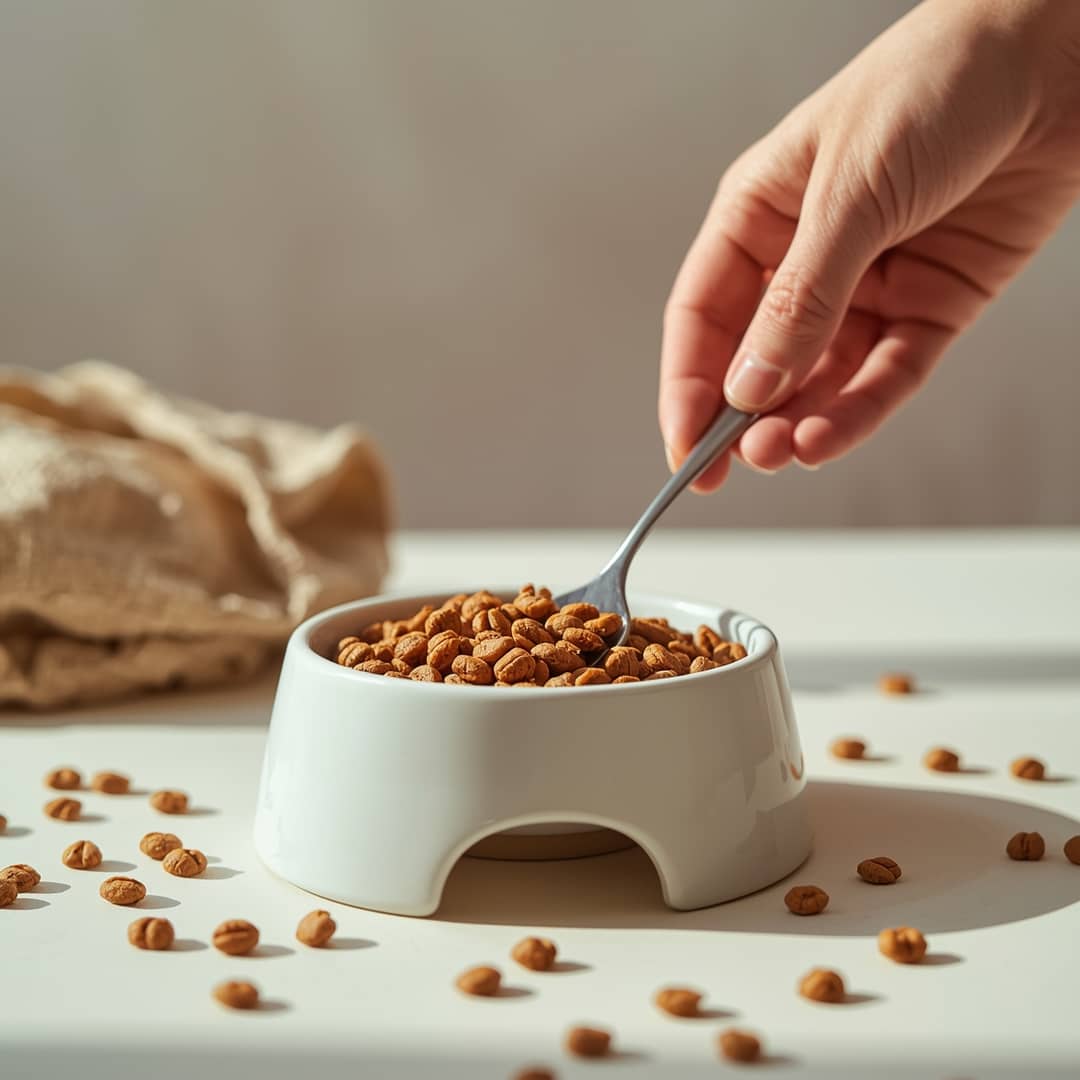
Grain-Free Kibble for Cats
Ingredients
Equipment
Method
- Cut the boneless, skinless chicken thighs or breast into manageable chunks. If using chicken liver, finely chop it.1 lb Boneless, Skinless Chicken Thighs or Breast, 1/4 cup Cooked Chicken Liver
- In a pot or pan, cook the chicken until it is thoroughly done. You can boil, steam, or lightly sauté it. Ensure there is no pinkness remaining.1 lb Boneless, Skinless Chicken Thighs or Breast
- Once the chicken is cooked, place it along with the mashed sweet potato, chopped chicken liver, salmon oil, brewer’s yeast, calcium carbonate, dicalcium phosphate, taurine, and water into a food processor or high-powered blender.1 lb Boneless, Skinless Chicken Thighs or Breast, 1/2 cup Cooked Sweet Potato, 1/4 cup Cooked Chicken Liver, 2 tablespoons Salmon Oil, 1 tablespoon Brewer’s Yeast, 1 teaspoon Calcium Carbonate, 1/2 teaspoon Dicalcium Phosphate, 1/4 teaspoon Taurine, 1/4 cup Water
- Blend the mixture until it forms a thick, paste-like consistency. You are aiming for a texture that can be formed into kibble shapes. If it is too dry, add a tablespoon of water at a time until the desired consistency is reached.1/4 cup Water
- Spoon small, kibble-sized portions onto a baking sheet lined with parchment paper. You can roll them into small balls or shape them into traditional kibble-like pieces using very small cookie cutters if desired.
- Place the baking sheet in a preheated oven at 200°F (95°C) for 2-3 hours, or until the kibble is firm and dry to the touch. The aim is to dehydrate rather than bake, preserving nutrients. Alternatively, you can use a food dehydrator according to its instructions.
- Allow the grain-free kibble to cool completely on the baking sheet before storing.