
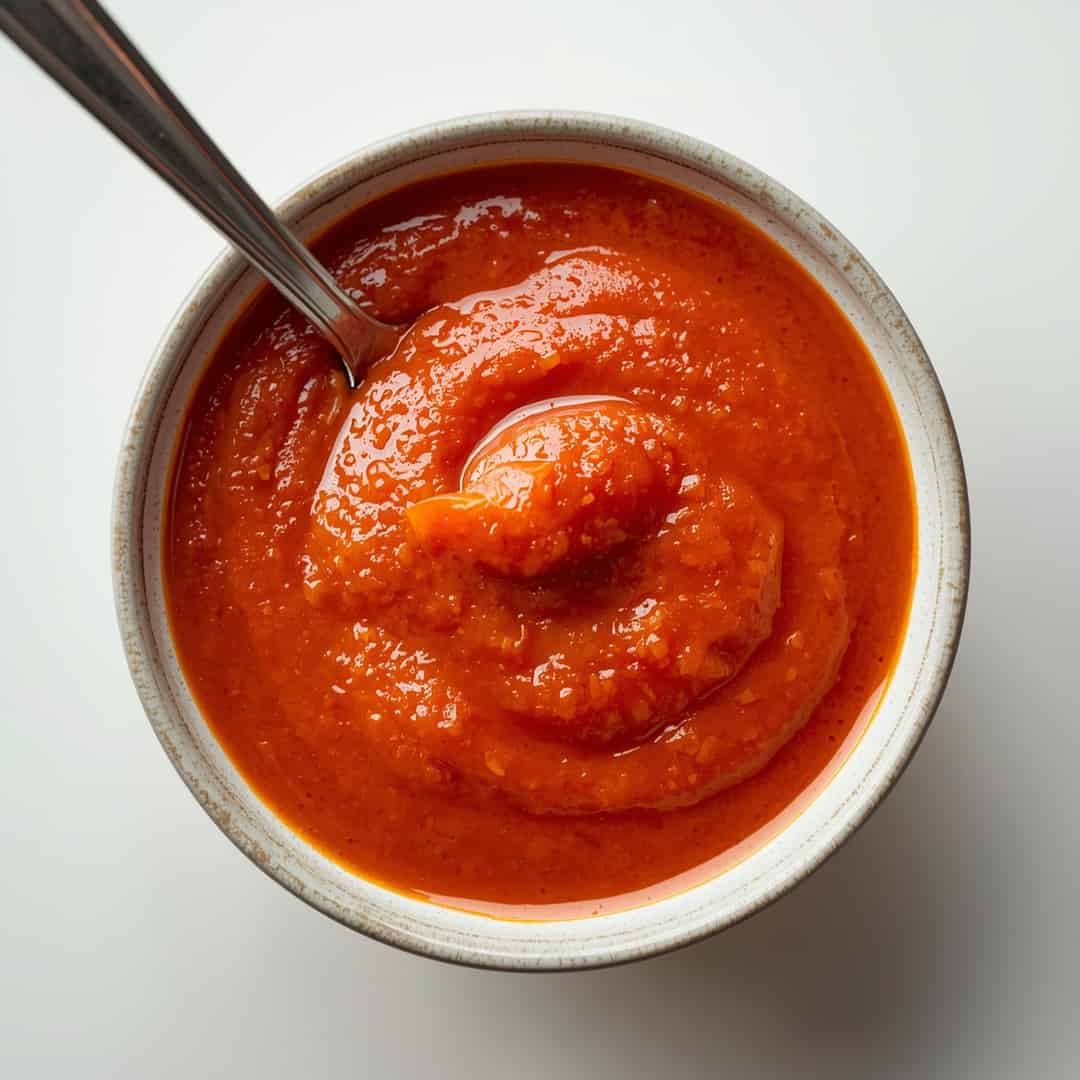
This unbelievably delicious homemade pizza sauce is about to become your new kitchen staple! Forget bland store-bought jars; this simple, vibrant recipe delivers fresh, rich tomato flavor that elevates any homemade pizza. It’s incredibly easy to make, uses minimal ingredients, and will transform your pizza nights into a gourmet experience.
Key Ingredients for Homemade Pizza Sauce
Here’s everything you’ll need to create this fantastic sauce:
- 28 ounces (794g) crushed tomatoes: Look for high-quality canned crushed tomatoes (San Marzano are excellent if you can find them) for the best flavor and texture.
- 2 tablespoons extra virgin olive oil: Adds a smooth, rich base to the sauce.
- 4 cloves garlic, minced: Freshly minced garlic provides an aromatic punch.
- 1 teaspoon dried oregano: A classic pizza flavor that adds warmth and earthiness.
- ½ teaspoon dried basil: Another essential pizza herb, contributing a sweet and peppery note.
- ¼ teaspoon red pepper flakes (optional): For a subtle kick, adjust to your spice preference.
- 1 teaspoon granulated sugar: Balances the acidity of the tomatoes and enhances their natural sweetness.
- ½ teaspoon salt: Essential for bringing out all the flavors.
- ¼ teaspoon black pepper, freshly ground: For a hint of warmth and depth.
How to Make Homemade Pizza Sauce
Get ready to revolutionize your pizza game with this incredibly easy, delicious, and satisfying homemade pizza sauce. Its simplicity lies in fresh, high-quality ingredients that simmer together to create a rich, authentic flavor profile. You’ll be amazed at how a few basic pantry staples can produce such a vibrant and tasty sauce, far surpassing anything store-bought. Get ready to gather your ingredients – this sauce is ready in just 20 minutes!
Instructions:
- Sauté Aromatics: Heat the extra virgin olive oil in a medium saucepan or pot over medium heat. Add the minced garlic and cook for 1-2 minutes, stirring frequently, until fragrant. Be careful not to burn the garlic.
- Add Tomatoes and Seasonings: Pour in the crushed tomatoes. Stir in the dried oregano, dried basil, red pepper flakes (if using), granulated sugar, salt, and black pepper.
- Simmer and Reduce: Bring the sauce to a gentle simmer. Once simmering, reduce the heat to low, cover partially, and let it cook for at least 15-20 minutes, or up to 30 minutes, stirring occasionally. This allows the flavors to meld and the sauce to thicken slightly.
- Taste and Adjust: After simmering, taste the homemade pizza sauce and adjust seasonings as needed. You might want a little more salt, sugar, or a pinch more of herbs depending on your preference and the acidity of your tomatoes.
- Cool and Use: Remove from heat and let the sauce cool slightly before using on your pizza. It will thicken a bit more as it cools.
Why You’ll Love This Homemade Pizza Sauce
You will absolutely adore this homemade pizza sauce for its unparalleled freshness and robust flavor, acting as the perfect star for your pizza creations. The rich, vibrant tomato base, infused with aromatic garlic and classic Italian herbs, creates a truly authentic taste that will transport you straight to Italy with every bite. Beyond its incredible flavor, making this sauce at home offers significant cost savings compared to continually buying pre-made jars, allowing you to enjoy gourmet pizza without the gourmet price.
The beauty of this sauce lies in its simplicity; it truly lets the natural goodness of the tomatoes shine, creating a superior foundation for any toppings you choose. Its brightness and balanced acidity provide the perfect canvas for gooey mozzarella, savory pepperoni, or fresh garden vegetables, making every pizza a delightful culinary journey. Unlike many bland store-bought varieties, this sauce brings a depth of flavor that is comparable to the best pizzeria sauces. Don’t wait – try this recipe tonight and experience the homemade difference!
What to Serve Homemade Pizza Sauce With
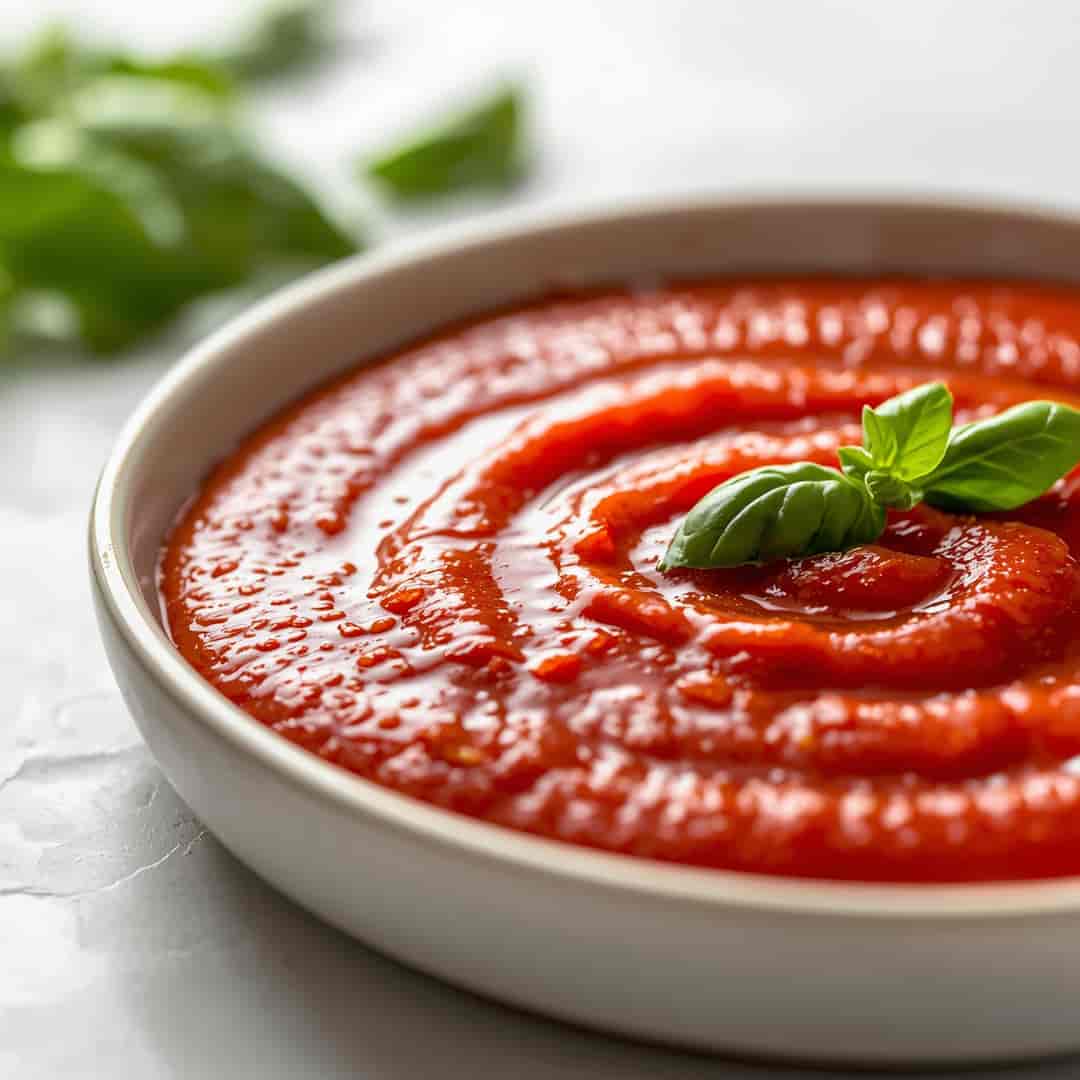
Naturally, the primary use for this incredible homemade pizza sauce is on, well, pizza! However, don’t limit its potential. Beyond being the perfect foundation for your favorite pizza crust (whether it’s thin crust, deep dish, or a cauliflower crust), this sauce is incredibly versatile.
- Classic Pizza: Spread it generously on your pizza dough, add your favorite cheese (mozzarella, provolone, parmesan), and toppings like pepperoni, mushrooms, onions, bell peppers, or olives.
- Calzones or Stromboli: Use it as the flavorful filling for these delightful baked dough pockets.
- Pizza Rolls/Pinwheels: It’s fantastic as the base for appetizer-sized pizza snacks.
- Dipping Sauce: Serve it warm as a dipping sauce for mozzarella sticks, garlic knots, breadsticks, or even crispy chicken tenders.
- Pasta Sauce Base: While a bit thinner than a traditional pasta sauce, it can be a quick and easy base for a simple pasta dish when you’re in a pinch. Add some cooked ground meat or vegetables for a fuller meal.
- Mini Pizza Bagels/English Muffins: A fun and quick snack or lunch option.
Top Tips for Perfecting Homemade Pizza Sauce
Here are some pro tips to ensure your homemade pizza sauce is always absolutely perfect:
- Quality Tomatoes are Key: This cannot be stressed enough. Since tomatoes are the star ingredient, invest in good quality crushed tomatoes. San Marzano tomatoes are often praised for their sweet, less acidic flavor. If using whole peeled tomatoes, crush them by hand or pulse briefly in a food processor for a chunkier texture before adding.
- Don’t Rush the Simmer: The simmering time is crucial for developing flavor. Allowing the sauce to gently simmer for at least 15-20 minutes lets the herbs infuse into the tomatoes and helps the sauce thicken. A longer, slower simmer (up to 30-40 minutes) will result in an even richer, deeper flavor.
- Balance Acidity with Sugar: Tomatoes can vary in sweetness and acidity. The teaspoon of sugar helps to balance this, enhancing the natural sweetness of the tomatoes and mellowing any tartness. Taste and adjust—you might need a little more or less depending on your tomatoes.
- Fresh Garlic is Best: While garlic powder can work in a pinch, freshly minced garlic provides an incomparable aromatic depth. Don’t burn the garlic; cook it just until fragrant to avoid bitterness.
- Customize Your Herbs: While oregano and basil are classic, feel free to experiment! A pinch of dried thyme or a bay leaf added during simmering can add another layer of complexity. If you have fresh herbs, add them towards the end of cooking or sprinkle them on top of your pizza for a vibrant finish.
- Adjust Spice Level: The red pepper flakes are optional. If you love a kick, increase the amount. For a milder sauce, omit them entirely.
- Blend for Smoothness (Optional): If you prefer a completely smooth sauce, carefully blend the finished sauce with an immersion blender or transfer it to a regular blender (be cautious with hot liquids) until it reaches your desired consistency.
- Make Ahead: This sauce tastes even better the next day as the flavors continue to meld. It’s a perfect make-ahead component for busy pizza nights.
Storing and Reheating Tips
Proper storage and reheating will ensure your homemade pizza sauce remains delicious for future pizza nights.
- Refrigeration: Once the sauce has cooled completely, transfer it to an airtight container. It will keep beautifully in the refrigerator for up to 5-7 days. This makes it an ideal make-ahead component for weekly meal prep.
- Freezing: This sauce freezes exceptionally well! Transfer cooled sauce into freezer-safe containers or heavy-duty freezer bags. For convenience, consider freezing it in smaller, single-pizza portions (e.g., 1-cup servings). It can be stored in the freezer for up to 3-4 months. Thaw overnight in the refrigerator before use, or gently reheat from frozen in a saucepan over low heat, stirring occasionally.
- Reheating: When ready to use, simply scoop out the desired amount of sauce. If refrigerated, you can spread it directly onto your pizza dough. If you prefer a warm sauce, or if it’s too thick, gently reheat it in a small saucepan over low heat, stirring occasionally, until warmed through. You can also microwave small portions. Add a splash of water if it becomes too thick upon reheating.
Final Thoughts
This homemade pizza sauce is truly a game-changer for anyone who loves pizza. Its rich, fresh flavor and incredible simplicity make it an absolute must-try. Go ahead, gather your ingredients, and elevate your next pizza night with this amazing sauce – you won’t regret it!
Read more :
- Homemade Ketchup And Tomato Condiments
- Carolina BBQ Mustard Sauce Recipe
- Enchilada Sauce Homemade Canned
- our Pinterest
Homemade Pizza Sauce FAQs
Q1: Can I use fresh tomatoes instead of canned?
A1: Yes, you can! You’ll need about 2-3 pounds of fresh, ripe Roma tomatoes. Blanch them, peel them, seed them, and then crush them before proceeding with the recipe. Keep in mind that fresh tomatoes might require a longer simmer time to reduce and thicken the sauce.
Q2: What if my sauce is too thin?
A2: If your sauce is too thin, simply continue to simmer it uncovered over low heat, stirring occasionally, until it reaches your desired consistency. The longer it simmers, the more it will reduce and thicken.
Q3: Can I make this sauce spicier?
A3: Absolutely! Increase the amount of red pepper flakes to ½ teaspoon or even 1 teaspoon for a more noticeable kick. You can also add a pinch of cayenne pepper if you like extra heat.
Q4: Is this sauce suitable for freezing?
A4: Yes, this homemade pizza sauce freezes beautifully! Allow it to cool completely, then transfer it to freezer-safe containers or bags. It will keep in the freezer for up to 3-4 months.
Q5: What’s the best way to balance the acidity if my tomatoes are very tart?
A5: The easiest way to balance acidity is by adding a little more granulated sugar, a quarter teaspoon at a time, until the flavor is balanced. A tiny pinch of baking soda (really just a pinch!) can also help neutralize acidity, but be careful not to add too much as it can affect the flavor.
Q6: Can I add fresh herbs instead of dried?
A6: Yes, fresh herbs are wonderful! If using fresh oregano and basil, you’ll generally need about three times the amount of dried herbs. Add them towards the end of the simmering process to preserve their vibrant flavor.