
Kick off your celebrations with this spectacular New Years Cake, the perfect centerpiece for any festive gathering. This easy-to-follow recipe provides a delightful and impressive dessert, guaranteed to impress your guests and bring a sweet touch to your year’s beginning.
Key Ingredients for New Years Cake
- For the Cake Layers:
- 2 ½ cups all-purpose flour
- 1 ½ teaspoons baking powder
- ½ teaspoon baking soda
- ½ teaspoon salt
- 1 cup (2 sticks) unsalted butter, softened
- 2 cups granulated sugar
- 4 large eggs, at room temperature
- 1 teaspoon vanilla extract
- 1 cup buttermilk, at room temperature
- ½ cup full-fat sour cream, at room temperature
- For the Frosting:
- 1 ½ cups (3 sticks) unsalted butter, softened
- 4 cups powdered sugar, sifted
- ½ cup heavy cream
- 1 teaspoon vanilla extract
- Pinch of salt
- For Decoration (Optional):
- Edible gold or silver sprinkles
- Sparkling sugar
- Fresh berries
- Edible gold leaf
How to Make New Years Cake
This New Years Cake is designed for effortless elegance, delivering a moist, tender crumb and a luxuriously smooth frosting that will sing with flavor. Its straightforward approach ensures a satisfying baking experience, even for beginners, culminating in a dessert that tastes as good as it looks, with minimal fuss and maximum impact. Preparation time: approximately 45 minutes active, plus baking and cooling time.
Step-by-Step Instructions
Step 1: Prepare the Cake Pans and Preheat the Oven.
Preheat your oven to 350°F (175°C). Grease and flour two 9-inch round cake pans. You can also line the bottoms with parchment paper for easier removal.
Step 2: Combine Dry Ingredients.
In a medium bowl, whisk together the all-purpose flour, baking powder, baking soda, and salt. Set aside.
Step 3: Cream Butter and Sugar.
In a large mixing bowl, or the bowl of a stand mixer fitted with the paddle attachment, beat the softened unsalted butter and granulated sugar together on medium-high speed until light and fluffy, about 3-5 minutes. This process incorporates air, which is crucial for a tender cake.
Step 4: Add Eggs and Vanilla.
Add the eggs one at a time, beating well after each addition. Scrape down the sides of the bowl as needed. Stir in the vanilla extract.
Step 5: Combine Wet Ingredients.
In a separate small bowl or jug, whisk together the buttermilk and sour cream until well combined.
Step 6: Alternate Adding Dry and Wet Ingredients.
With the mixer on low speed, gradually add the dry ingredients to the wet ingredients, alternating with the buttermilk and sour cream mixture. Begin and end with the dry ingredients, mixing until just combined after each addition. Do not overmix; overmixing can develop the gluten in the flour, leading to a tough cake.
Step 7: Divide Batter and Bake.
Divide the batter evenly between the two prepared cake pans. Smooth the tops with a spatula. Bake for 30-35 minutes, or until a wooden skewer or toothpick inserted into the center of the cakes comes out clean.
Step 8: Cool the Cakes.
Let the cakes cool in the pans on a wire rack for 10-15 minutes. Then, invert them onto the wire rack to cool completely before frosting. Ensure they are fully cooled to prevent the frosting from melting.
Step 9: Prepare the Frosting.
While the cakes are cooling, make the frosting. In a large mixing bowl, or the bowl of a stand mixer, beat the softened unsalted butter until creamy and smooth. Gradually add the sifted powdered sugar, one cup at a time, alternating with the heavy cream, until the frosting is smooth and spreadable. Stir in the vanilla extract and a pinch of salt, and beat until light and fluffy. If the frosting is too thick, add a tablespoon more cream at a time; if too thin, add a tablespoon more powdered sugar.
Step 10: Assemble and Decorate the Cake.
Once the cakes are completely cooled, place one cake layer on your serving platter or cake stand. Spread a generous layer of frosting over the top. Carefully place the second cake layer on top. Frost the entire cake – top and sides – with the remaining frosting. For a stunning New Year’s touch, decorate with edible gold or silver sprinkles, sparkling sugar, fresh berries, or a touch of edible gold leaf for an extra touch of luxury and festivity.
Why You’ll Love This New Years Cake
You’ll adore this New Years Cake for its light, airy texture and the delightful balance of subtle sweetness, reminiscent of a classic vanilla bean cake but with a touch more elegance. The velvety smooth buttercream frosting is outrageously delicious, offering a perfect complement without being overly rich, making it a more accessible alternative to a dense, rich chocolate occasion cake. Crafting this showstopper at home is not only an incredibly rewarding experience, but it’s also a fantastic way to save money compared to store-bought creations, allowing you to indulge in a celebratory treat without breaking the bank. Plus, the customizable decorations let you infuse your personality and the spirit of the new year into every sparkle and swirl.
Imagine the satisfied sighs and delighted exclamations as your guests take their first bite of this exquisitely tender cake, its flavors celebrating the fresh start and joyous spirit of the new year. It’s a dessert that truly embodies the magic of a fresh beginning, offering a moment of shared sweetness and pure bliss. Don’t wait for the clock to strike midnight; make this incredible New Years Cake yourself and usher in a year of delicious memories.
Storing and Reheating Tips
- Refrigeration: Store unfrosted or frosted New Years Cake at room temperature in an airtight container for up to 2 days if the frosting is buttercream-based and doesn’t contain easily perishable ingredients like cream cheese. If the frosting contains cream cheese or other perishable ingredients, or if your climate is very warm, refrigerate the cake in an airtight container. Refrigerated cake can be kept for up to 4-5 days.
- Freezing: To freeze unfrosted cake layers, wrap them tightly in plastic wrap, then in aluminum foil, and place in a freezer-safe bag or container. They can be frozen for up to 2-3 months. For frosted cake, it’s best to freeze individual slices. Place slices on a parchment-lined tray and freeze until firm, then wrap tightly in plastic wrap and aluminum foil before placing in a freezer bag. Freeze for up to 1 month.
- Reheating: To reheat refrigerated cake, let it sit at room temperature for at least 30-60 minutes before serving to allow it to soften. Frozen cake layers can be thawed overnight in the refrigerator. For frozen slices, allow them to thaw at room temperature for a couple of hours.
Final Thoughts
This New Years Cake is more than just a dessert; it’s a memorable experience waiting to unfold. Its delightful taste and elegant presentation make it the perfect way to toast to new beginnings and happy occasions. Give this recipe a try and make your New Year’s celebration truly unforgettable!
Read more also:
- Christmas Spice Cake Eggnog Buttercream
- Tasty Tiramisu Yule Log Cake
- Boozy Eggnog Bundt Cake
- Our Pinterest
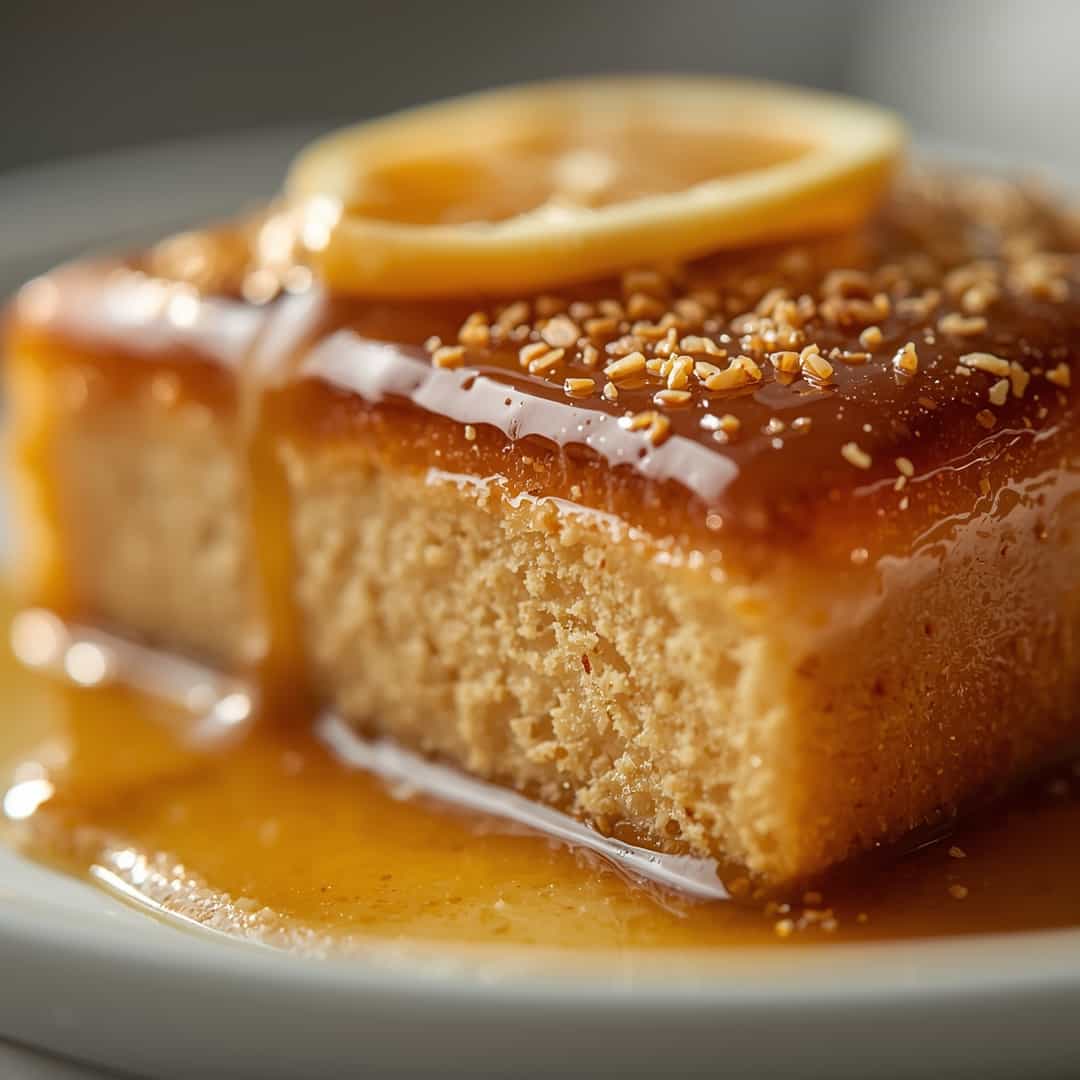
New Years Cake
Ingredients
Equipment
Method
- Preheat your oven to 350°F (175°C). Grease and flour two 9-inch round cake pans. You can also line the bottoms with parchment paper for easier removal.
- In a medium bowl, whisk together the all-purpose flour, baking powder, baking soda, and salt. Set aside.2.5 cups all-purpose flour, 1.5 teaspoons baking powder, 0.5 teaspoons baking soda, 0.5 teaspoons salt
- In a large mixing bowl, or the bowl of a stand mixer fitted with the paddle attachment, beat the softened unsalted butter and granulated sugar together on medium-high speed until light and fluffy, about 3-5 minutes. This process incorporates air, which is crucial for a tender cake.1 cup unsalted butter, softened, 2 cups granulated sugar
- Add the eggs one at a time, beating well after each addition. Scrape down the sides of the bowl as needed. Stir in the vanilla extract.4 large eggs, at room temperature, 1 teaspoon vanilla extract
- In a separate small bowl or jug, whisk together the buttermilk and sour cream until well combined.1 cup buttermilk, at room temperature, 0.5 cup full-fat sour cream, at room temperature
- With the mixer on low speed, gradually add the dry ingredients to the wet ingredients, alternating with the buttermilk and sour cream mixture. Begin and end with the dry ingredients, mixing until just combined after each addition. Do not overmix; overmixing can develop the gluten in the flour, leading to a tough cake.
- Divide the batter evenly between the two prepared cake pans. Smooth the tops with a spatula. Bake for 30-35 minutes, or until a wooden skewer or toothpick inserted into the center of the cakes comes out clean.
- Let the cakes cool in the pans on a wire rack for 10-15 minutes. Then, invert them onto the wire rack to cool completely before frosting. Ensure they are fully cooled to prevent the frosting from melting.
- While the cakes are cooling, make the frosting. In a large mixing bowl, or the bowl of a stand mixer, beat the softened unsalted butter until creamy and smooth. Gradually add the sifted powdered sugar, one cup at a time, alternating with the heavy cream, until the frosting is smooth and spreadable. Stir in the vanilla extract and a pinch of salt, and beat until light and fluffy. If the frosting is too thick, add a tablespoon more cream at a time; if too thin, add a tablespoon more powdered sugar.1.5 cups unsalted butter, softened, 4 cups powdered sugar, sifted, 0.5 cup heavy cream, 1 teaspoon vanilla extract, 1 pinch salt
- Once the cakes are completely cooled, place one cake layer on your serving platter or cake stand. Spread a generous layer of frosting over the top. Carefully place the second cake layer on top. Frost the entire cake – top and sides – with the remaining frosting. For a stunning New Year’s touch, decorate with edible gold or silver sprinkles, sparkling sugar, fresh berries, or a touch of edible gold leaf for an extra touch of luxury and festivity.Edible gold or silver sprinkles, Sparkling sugar, Fresh berries, Edible gold leaf